
Qualification :- B.A.M.S
MMC No. – I-64912-A

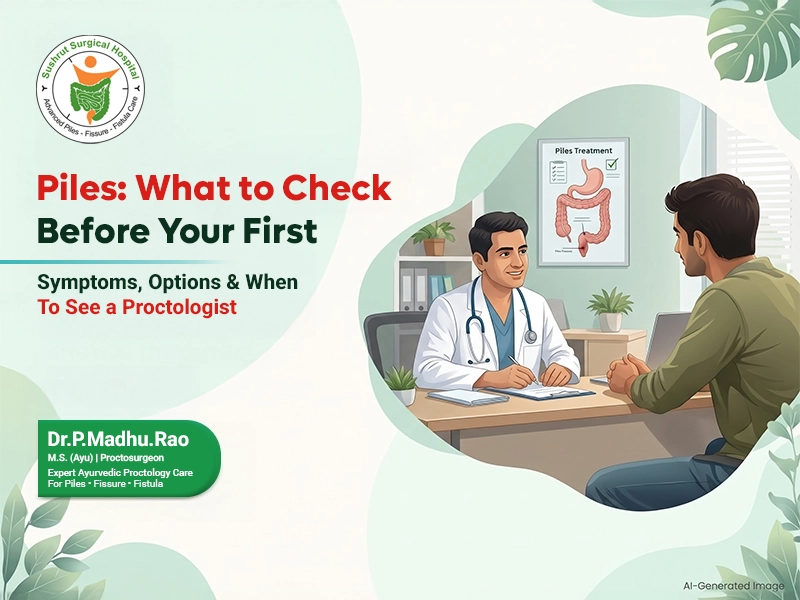
Piles, medically known as haemorrhoids, are swollen blood vessels and supporting tissues located in and around the anus and lower rectum. They may cause symptoms such as rectal bleeding, itching, swelling, discomfort and tissue protruding through the anal opening.
Haemorrhoids are common and can affect people of different age groups. Their management depends on the type and severity of the condition, associated symptoms and individual health factors. While some patients improve with dietary and lifestyle modifications, others may require medical procedures or surgery.
Laser-based procedures are among the available treatment options for selected patients. However, laser treatment is not necessary or suitable for everyone. Understanding the procedure, its limitations and alternative treatments can help individuals make informed healthcare decisions.
Laser-based procedures are sometimes considered as alternatives to conventional surgical approaches. Depending on the technique and the patient’s condition, potential considerations may include limited tissue disruption and differences in postoperative discomfort or recovery requirements.
However, these possibilities should not be interpreted as guaranteed benefits. Outcomes depend on the procedure performed, the severity of haemorrhoids, the patient’s overall health and the experience of the treating medical team.
No procedure should be selected solely because it uses laser technology. The decision should be based on clinical findings and available medical evidence.
Internal haemorrhoids are commonly classified into four grades according to the degree of prolapse, which refers to tissue protruding through the anal opening.
The grade helps healthcare professionals assess the condition and consider appropriate management. However, the grade alone does not determine whether a patient needs laser treatment or surgery.
No. Not everyone with haemorrhoids requires a procedure, and not everyone who needs an intervention is suitable for laser treatment.
The assessment may consider:
Some patients may improve with dietary changes, adequate fibre intake, sufficient fluids and appropriate medical management. Others may require an office-based procedure or surgery, depending on their clinical condition.
Several treatment approaches are available for haemorrhoids.
Conservative management: Increasing dietary fibre, drinking adequate fluids, avoiding excessive straining and maintaining regular bowel habits may help manage symptoms, particularly in patients with less advanced disease.
Rubber band ligation: This office-based procedure involves placing a small band around selected internal haemorrhoids to reduce their blood supply.
Sclerotherapy: A medical solution is injected into selected haemorrhoidal tissue to help reduce its size.
Infrared coagulation: This technique uses infrared energy to treat selected internal haemorrhoids.
Conventional haemorrhoidectomy: Surgical removal of haemorrhoidal tissue may be considered for selected patients, including those with advanced or complicated disease.
Each approach has different indications, benefits, limitations and potential complications. There is no single treatment that is appropriate for every patient.
No. A minimally invasive procedure should not automatically be considered painless or risk-free.
Some patients may experience discomfort, swelling, bleeding or other symptoms during recovery. The extent of discomfort depends on the technique used, the condition being treated and individual health factors.
Before undergoing any procedure, patients should understand the possible complications, pain management requirements and expected recovery process.
Recovery varies according to the procedure, severity of haemorrhoids and individual health.
Post-treatment instructions may include dietary recommendations, adequate hydration, bowel movement management, prescribed medication, activity restrictions and follow-up examinations.
Patients should follow the instructions provided by their treating healthcare professional. They should also seek medical advice if they experience increasing pain, persistent bleeding, fever or difficulty passing urine.
Yes. Recurrence is possible following laser-based procedures, conventional surgery and other forms of haemorrhoid treatment.
Constipation, hard stools, repeated straining and prolonged sitting on the toilet may contribute to recurring symptoms.
Maintaining healthy bowel habits, consuming fibre-rich foods, drinking sufficient fluids and remaining physically active may support long-term bowel health.
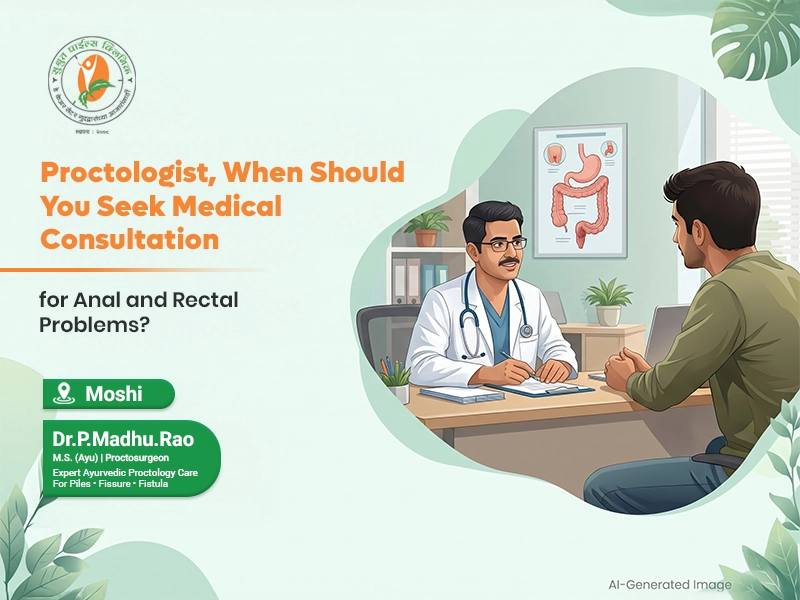
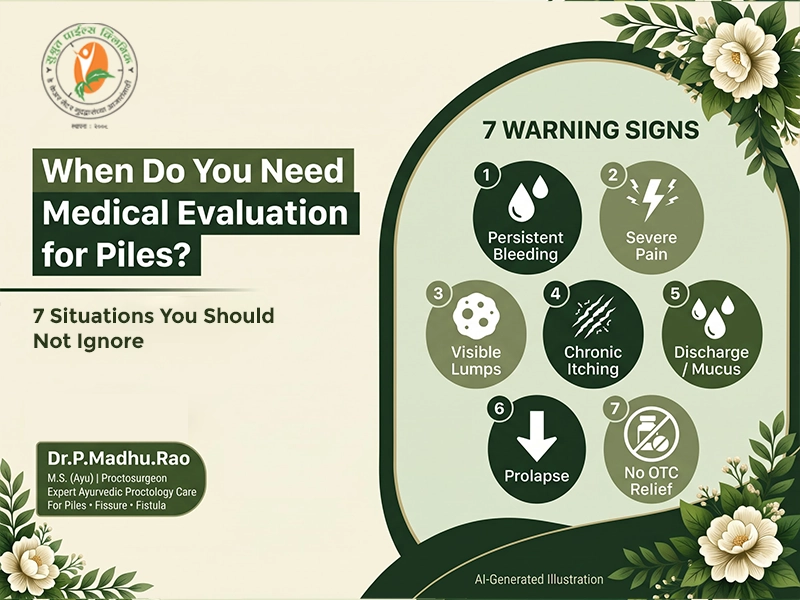
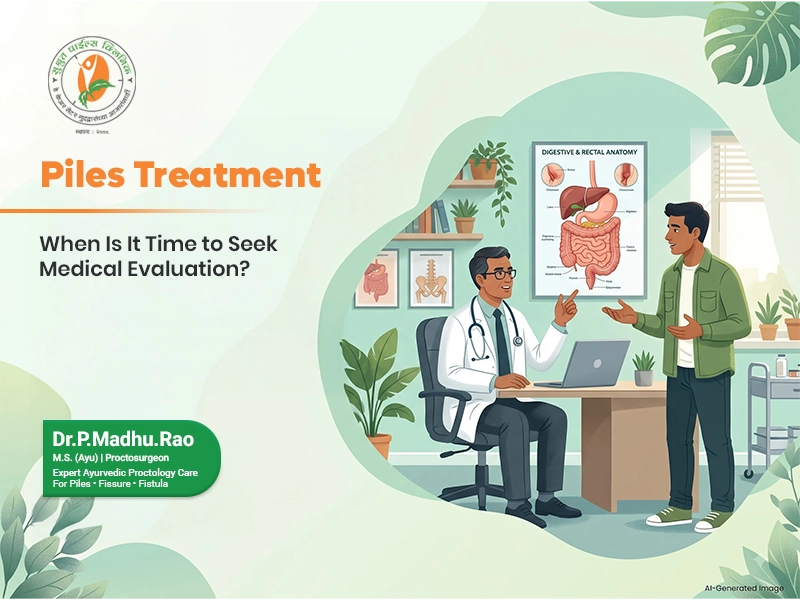
Medical evaluation is advisable when symptoms include repeated rectal bleeding, persistent anal discomfort, itching, swelling, a new lump or tissue protruding during bowel movements.
Rectal bleeding should not automatically be assumed to be caused by haemorrhoids. Other conditions, including anal fissures, inflammatory bowel disease and colorectal disorders, may produce similar symptoms.
Heavy bleeding, fainting, severe pain or fever accompanied by increasing anal swelling requires urgent medical attention.
No. Suitability depends on the type of haemorrhoids, symptoms, degree of prolapse and clinical findings. Different patients may require different treatment approaches.
Not necessarily. Both approaches have different indications, benefits, limitations and potential risks. The appropriate option depends on the patient’s condition and the specific procedure being considered.
Yes. Recurrence is possible. Constipation, straining and other contributing factors may influence future symptoms.
Yes. Many patients can manage symptoms through dietary modifications, improved bowel habits, appropriate medical treatment or office-based procedures. Surgery may be considered in selected cases.
No. Management depends on symptoms and clinical findings. Some patients may need only dietary and lifestyle modifications, while others may require medical intervention.
This article is intended for general educational and informational purposes only. It does not constitute medical advice, diagnosis or treatment recommendations. Medical conditions and treatment outcomes can vary from person to person. Readers should consult a qualified healthcare professional for individual medical assessment and advice. Do not ignore or delay seeking medical attention based on information provided in this article.
If you are experiencing symptoms of piles and want to know whether laser treatment may be appropriate for you, you can consult Sushrut Piles Clinic, Moshi for an evaluation.
Discuss your symptoms with a specialist and understand the available treatment options before making a decision.
📍 Sushrut Piles Clinic, Moshi
M.K.Chowk, above HDFC Bank, Kawade Nagar, Trimurti Colony, Pimple Gurav, Pimpri-Chinchwad, Pune, Maharashtra 411027
Ganpati chowk,Shitole Nagar, Old Sangavi,Pune - 411027.
Shop No. 19-20, Silver Central Mall, Jadhav Wadi, Moshi, Pune-412105
Eleifend senectus ornare hendrerit dis lacinia habitant mattis