

Qualification :- B.A.M.S
MMC No. – I-64912-A

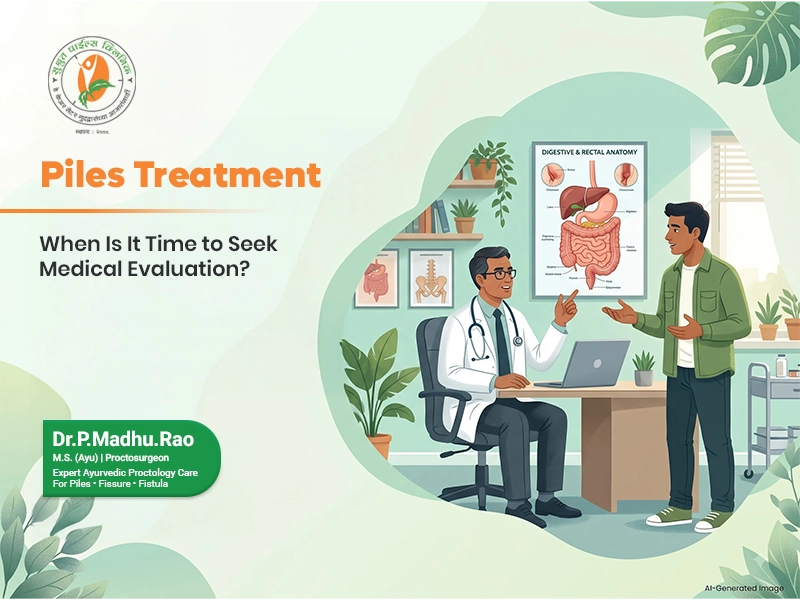
Piles, medically known as hemorrhoids, are swollen blood vessels and supporting tissues in and around the anus and lower rectum. They can cause symptoms such as rectal bleeding, itching, swelling, discomfort, and tissue protruding through the anal opening.
Laser-based procedures are among the techniques used to treat selected cases of hemorrhoids. Some patients may consider these procedures because they are described as minimally invasive. However, laser treatment is not automatically suitable for everyone with piles.
The appropriate treatment depends on the type and severity of hemorrhoids, symptoms, medical history, previous treatment, and clinical findings.
Understanding how laser piles treatment works, its limitations, and the available alternatives can help patients make informed decisions about their care.
Laser piles treatment refers to the use of laser energy as part of a procedure for selected hemorrhoids.
Different laser techniques may be used depending on the condition being treated. One approach involves delivering laser energy into hemorrhoidal tissue to reduce its blood supply and encourage the tissue to shrink over time.
The exact procedure, technique, and expected recovery depend on the method used and the characteristics of the hemorrhoids.
Laser treatment should not be considered a universal solution. An accurate diagnosis and medical assessment are necessary before deciding whether a laser-based procedure is appropriate.
No. Not every person with hemorrhoids needs a procedure, and not everyone who requires an intervention is suitable for laser treatment.
Treatment selection may depend on:
Some patients may improve with dietary changes, increased fibre intake, adequate hydration, and better bowel habits.
Others may require an office-based procedure or surgery if symptoms persist or the condition is more advanced.
The suitability of laser treatment must be determined through an individual clinical assessment.
Laser-based procedures may be considered for selected patients after confirming the diagnosis and evaluating the characteristics of the hemorrhoids.
The assessment may include:
The presence of piles alone does not establish a need for laser treatment.
For example, someone with occasional mild symptoms may require only conservative management, while someone with persistent symptoms may need further intervention.
A healthcare professional should explain whether laser treatment is appropriate or whether another approach may be more suitable.
Not necessarily.
Many people with hemorrhoids can manage their symptoms through conservative treatment. This may include:
A procedure may be considered when symptoms continue despite appropriate conservative management or when clinical findings indicate that an intervention may be beneficial.
The important consideration is whether a procedure is necessary and, if so, which option is most appropriate.
There is no single hemorrhoid treatment that is suitable for every patient.
Depending on the diagnosis and severity, treatment may include:
Conservative management: Dietary changes, improved bowel habits, hydration, and appropriate medication may help manage mild symptoms.
Rubber band ligation: A small band is placed around the base of selected internal hemorrhoids to restrict their blood supply.
Sclerotherapy: A medical solution is injected into selected hemorrhoids to reduce their size.
Surgical treatment: Hemorrhoidectomy or other surgical approaches may be considered for selected patients with advanced, persistent, or complicated hemorrhoids.
Laser-based procedures: Laser energy may be used in selected cases, depending on the technique and clinical findings.
Each approach has different indications, benefits, limitations, recovery requirements, and potential complications. Evidence comparing different laser techniques with established treatments varies, and results cannot be assumed to be the same for every patient.
A healthcare professional should explain the available alternatives before treatment is selected.
No. A minimally invasive procedure does not necessarily mean there will be no discomfort or recovery period.
Patients may experience varying levels of discomfort, swelling, bleeding, or other temporary symptoms after a procedure. Recovery depends on the technique, the extent of treatment, and individual health factors.
Before undergoing treatment, patients should understand:
Patients should follow the recovery instructions provided by their treating healthcare professional.
Treating hemorrhoids is only one part of managing the condition.
Constipation, hard stools, prolonged toilet sitting, and repeated straining can aggravate hemorrhoidal symptoms.
Healthy bowel habits may help reduce irritation and support recovery. Recommendations may include increasing dietary fibre, maintaining adequate hydration, avoiding unnecessary straining, and staying physically active where appropriate.
Persistent constipation or diarrhoea should also be assessed rather than repeatedly managed through self-medication.
Not all rectal bleeding is caused by hemorrhoids.
Anal fissures, inflammation, intestinal polyps, inflammatory bowel disease, and colorectal cancer can also cause bleeding.
Repeated, unexplained, or changing bleeding patterns should be medically evaluated. Depending on the symptoms and clinical findings, further investigations may be necessary.
An accurate diagnosis should be established before deciding on any piles procedure.
No. Piles and anal fissures are different conditions.
An anal fissure is a small tear in the lining of the anal canal. It can cause sharp pain during bowel movements and discomfort that continues afterwards.
Treatment depends on the duration and severity of the fissure and may include measures to improve stool consistency, medication, or selected procedures.
Laser treatment for hemorrhoids should not be confused with treatment for anal fissures. The diagnosis must guide the management approach.
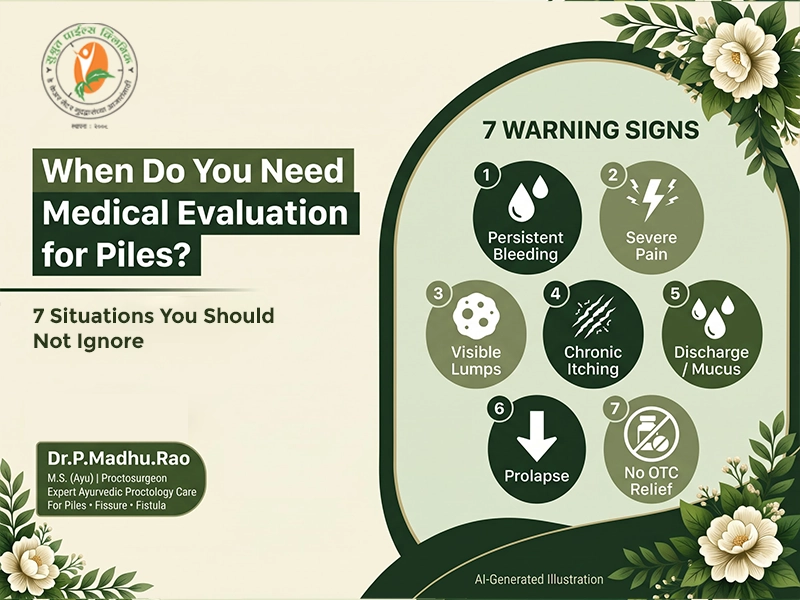
Consider seeking medical assessment if you experience:
Heavy bleeding, fainting, severe anal pain, or fever with increasing swelling requires urgent medical attention.
No. Suitability depends on the type, grade, degree of prolapse, symptoms, and overall clinical findings. Some patients may benefit more from conservative management or another procedure.
Not necessarily. Different treatments have different indications, benefits, risks, and recovery requirements. The most appropriate approach depends on the individual condition and available clinical evidence.
Recurrence is possible after hemorrhoid procedures, including laser-based treatments. The likelihood depends on several factors, including the underlying condition, treatment technique, and bowel habits.
Yes. Many cases can be managed through dietary changes, improved bowel habits, medication, or office-based procedures. Surgery may be appropriate in selected cases.
This article is intended for general educational purposes only and does not constitute medical advice, diagnosis, or treatment recommendations. Laser-based procedures and other hemorrhoid treatments have potential benefits, limitations, and risks. Individual suitability and outcomes vary. Consult a qualified healthcare professional for an appropriate assessment and personalised medical guidance. Seek urgent medical attention for heavy bleeding, fainting, severe pain, or fever accompanied by increasing anal swelling.
Get the right diagnosis first. Then choose the treatment that fits your condition.
📍 Sushrut Piles Clinic, Pimple gurav
M.K.Chowk, above HDFC Bank, Kawade Nagar, Trimurti Colony, Pimple Gurav, Pimpri-Chinchwad, Pune, Maharashtra 411027
Ganpati chowk,Shitole Nagar, Old Sangavi,Pune - 411027.
Shop No. 19-20, Silver Central Mall, Jadhav Wadi, Moshi, Pune-412105
Eleifend senectus ornare hendrerit dis lacinia habitant mattis