

Qualification :- B.A.M.S
MMC No. – I-64912-A

Piles, medically known as hemorrhoids, are swollen blood vessels and supporting tissues around the anus and lower rectum. They can cause symptoms such as rectal bleeding, itching, discomfort, swelling, and pain. Some patients may also experience a lump or tissue protruding from the anus during bowel movements.
Treatment depends on the type and severity of hemorrhoids, the symptoms, previous treatment, and the patient’s overall health. While mild symptoms may improve with dietary and lifestyle changes, persistent or advanced hemorrhoids may require a medical procedure or surgery.
If you are comparing laser piles treatment vs surgery, understanding how these approaches differ can help you have a more informed discussion with your healthcare professional.
Hemorrhoids develop when blood vessels and supporting tissues in the lower rectum or around the anus become enlarged.
They are generally classified into two types:
Common symptoms include:
Mild symptoms may improve with increased dietary fibre, adequate hydration, and better bowel habits.
However, persistent bleeding, recurring symptoms, significant prolapse, or severe discomfort should be medically evaluated before treatment is selected.
Laser piles treatment refers to procedures that use laser energy as part of the treatment of selected hemorrhoids.
One technique, known as laser hemorrhoidoplasty, uses laser energy within the hemorrhoidal tissue to cause changes that may reduce its size.
The exact procedure depends on the technique being used and the patient’s condition.
Laser-based procedures are generally intended to reduce tissue disruption compared with certain conventional surgical approaches. Some patients may experience less postoperative discomfort, although results and recovery vary.
Laser treatment is not appropriate for every type or grade of hemorrhoids. A clinical examination is necessary to establish whether it is a suitable option.
Conventional piles surgery includes procedures that remove or treat enlarged hemorrhoidal tissue.
One established procedure is hemorrhoidectomy, which involves surgically removing problematic hemorrhoidal tissue.
It may be considered for patients with large external hemorrhoids, combined internal and external hemorrhoids, advanced prolapse, or persistent symptoms that have not responded adequately to other treatments.
Although hemorrhoidectomy can involve a more demanding recovery period, it remains an established treatment for appropriately selected patients.
The choice of surgical technique depends on the characteristics of the hemorrhoids and the patient’s clinical condition.
Laser procedures and conventional surgery have different indications, techniques, benefits, and limitations.
|
Factor |
Laser treatment |
Conventional surgery |
|
Technique |
Uses laser energy to treat selected hemorrhoidal tissue |
Surgically removes or treats hemorrhoidal tissue |
|
Suitability |
Selected hemorrhoids, depending on technique |
May be suitable for advanced or complicated cases |
|
Tissue removal |
Often does not involve the same extent of tissue excision as hemorrhoidectomy |
May involve removal of hemorrhoidal tissue |
|
Recovery |
May involve less postoperative discomfort in selected patients |
Can involve a more demanding recovery |
|
Risks |
Pain, bleeding, recurrence, and other procedure-related complications are possible |
Pain, bleeding, wound-related complications, and recurrence are possible |
|
Treatment selection |
Depends on diagnosis and clinical suitability |
Depends on diagnosis and clinical suitability |
These are general differences. Actual outcomes depend on the specific procedure, the surgeon’s assessment, and individual patient factors.
Laser treatment is not automatically better than conventional surgery.
For selected patients, a laser-based procedure may offer advantages associated with a minimally invasive approach. However, patients with significant prolapse or advanced hemorrhoids may require a different surgical approach.
Treatment decisions may depend on:
A qualified surgeon should explain the relevant alternatives, expected benefits, limitations, and possible complications before treatment is chosen.
Yes. Many patients with mild hemorrhoids do not require an operation.
Conservative management may include:
Certain patients with persistent internal hemorrhoids may benefit from office-based procedures, such as rubber band ligation or sclerotherapy.
More advanced hemorrhoids may require surgery. Avoiding surgery should not become the only treatment goal if an intervention is clinically necessary.
Before deciding between laser treatment and conventional surgery, consider asking your doctor:
Understanding these points can help you make an informed decision based on your diagnosis rather than the name of a procedure.
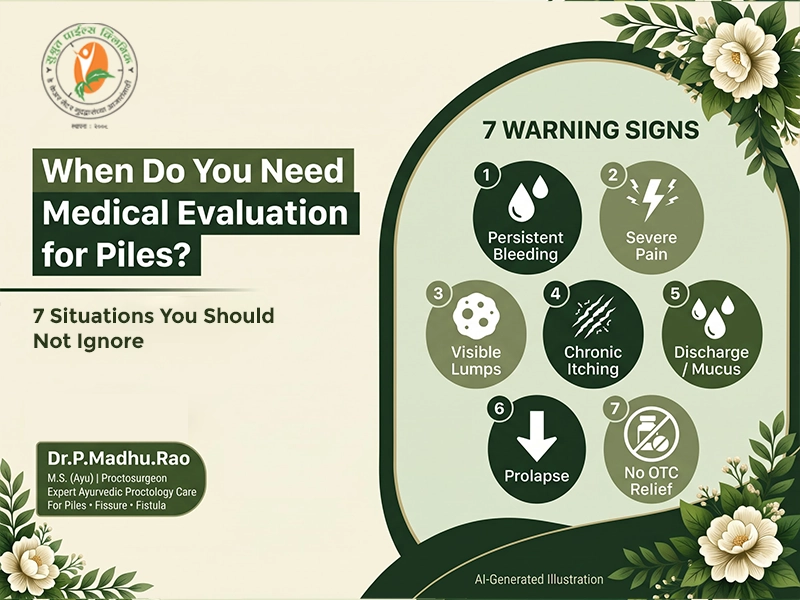
Medical evaluation is advisable if you experience:
Rectal bleeding should not automatically be attributed to piles. Anal fissures, inflammatory conditions, and other gastrointestinal problems can produce similar symptoms.
Heavy bleeding, fainting, severe pain, or significant dizziness requires urgent medical attention.

Some patients may experience less postoperative discomfort after selected laser procedures compared with hemorrhoidectomy. However, pain varies according to the procedure, condition, and individual response.
Recovery depends on the specific procedure, severity of hemorrhoids, and individual health factors. Some minimally invasive procedures may allow an earlier return to daily activities, but this cannot be guaranteed.
Laser-based treatment may be considered for selected patients, but it is not suitable for every advanced case. The degree of prolapse, hemorrhoid type, and clinical findings influence treatment selection.
Yes. Recurrence is possible after either approach. Maintaining healthy bowel habits and managing constipation may help reduce contributing factors, although recurrence cannot always be prevented.
This article is intended for general educational purposes only and does not constitute medical advice, diagnosis, or treatment recommendations. Laser procedures and conventional surgery have different indications, risks, benefits, and limitations. Treatment suitability depends on individual clinical assessment. Consult a qualified healthcare professional for personalised advice before making treatment decisions.
Sushrut Surgical Hospital provides consultation and treatment guidance for piles and other anorectal conditions, helping patients understand their treatment options and make informed decisions.
Contact Sushrut Surgical Hospital for consultation and personalized guidance regarding laser piles treatment and other advanced piles treatment options.
📍 Location: Pimple Gurav, Pune
M.K.Chowk, above HDFC Bank, Kawade Nagar, Trimurti Colony, Pimple Gurav, Pimpri-Chinchwad, Pune, Maharashtra 411027
Ganpati chowk,Shitole Nagar, Old Sangavi,Pune - 411027.
Shop No. 19-20, Silver Central Mall, Jadhav Wadi, Moshi, Pune-412105
Eleifend senectus ornare hendrerit dis lacinia habitant mattis