
Qualification :- B.A.M.S
MMC No. – I-64912-A
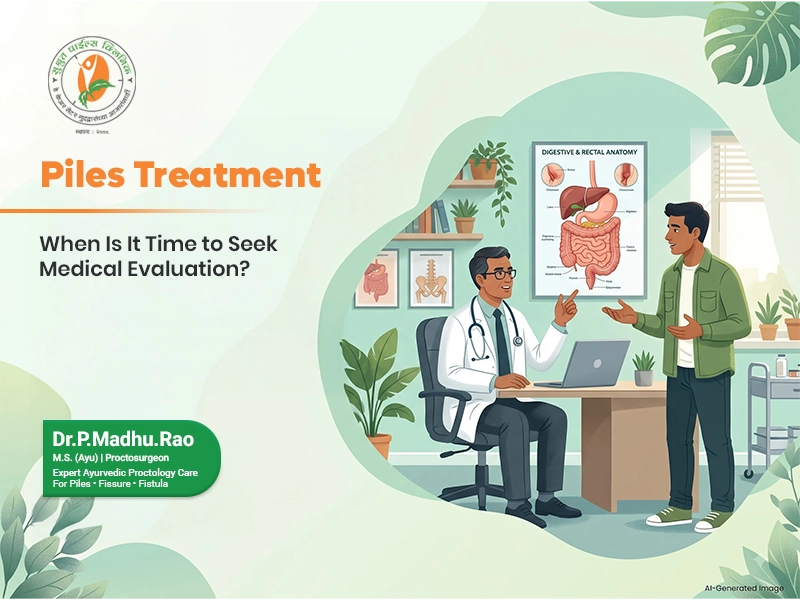
Piles, medically known as hemorrhoids, are a common condition that can cause bleeding, itching, swelling, and discomfort around the anus. They develop when blood vessels and supporting tissues in the lower rectum or around the anal opening become enlarged or swollen.
Some people experience mild symptoms that improve with dietary and lifestyle changes, while others develop persistent or recurring problems that require medical assessment.
Although piles are common, symptoms such as rectal bleeding, anal pain, and swelling should not automatically be attributed to hemorrhoids. Other conditions, including anal fissures, infections, and intestinal disorders, can produce similar symptoms.
Understanding the causes, symptoms, and available treatment options can help individuals recognise when medical attention may be necessary.
Hemorrhoids are classified into two main types:
Several factors may contribute to the development or worsening of hemorrhoids, including:
These factors can increase pressure around the anal region and contribute to hemorrhoid symptoms.
Symptoms vary depending on the type and severity of hemorrhoids. Some individuals experience mild irritation, while others develop symptoms that interfere with daily activities.
Common symptoms include:
Internal hemorrhoids are often painless, whereas external hemorrhoids may cause discomfort or pain, particularly when a blood clot develops.
It is important to remember that rectal bleeding and anal discomfort can have other causes. Persistent or unexplained symptoms should be medically evaluated.
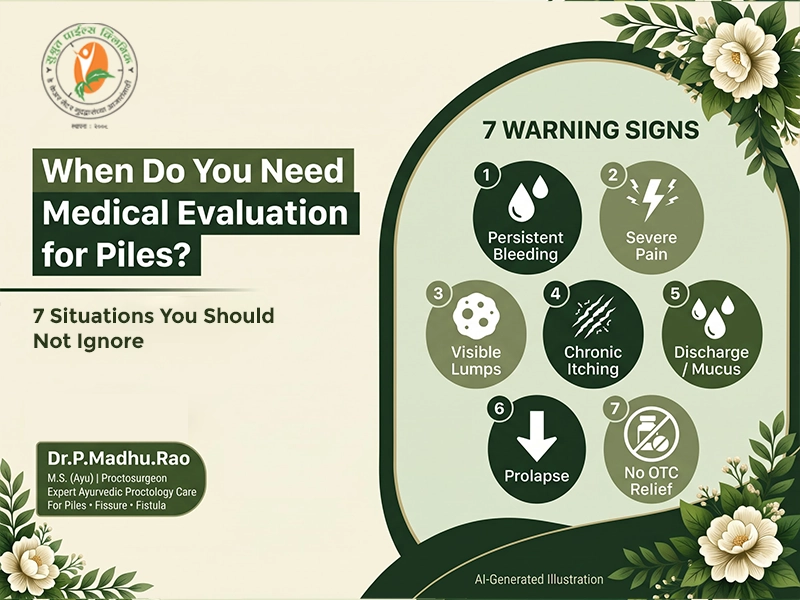
Although mild hemorrhoid symptoms may improve with conservative measures, certain situations indicate that professional assessment is appropriate.
Bright red blood during bowel movements can occur with hemorrhoids. However, rectal bleeding may also result from anal fissures, inflammation, polyps, or other intestinal conditions.
Seek medical evaluation if you notice:
Heavy or ongoing bleeding, especially when accompanied by dizziness or fainting, requires urgent medical attention.
Ongoing anal discomfort or significant swelling should not be ignored.
A painful lump near the anus may be associated with a thrombosed external hemorrhoid, which occurs when a blood clot forms within an external hemorrhoid. An abscess or another condition may also cause similar symptoms.
Medical assessment is important if pain becomes severe, swelling increases, or symptoms interfere with everyday activities.
Some people experience temporary relief from medication or lifestyle changes but develop symptoms again.
Recurring symptoms may be associated with persistent hemorrhoids, constipation, or another underlying anorectal condition.
If bleeding, itching, pain, or swelling repeatedly returns, a medical reassessment can help establish the cause and determine whether additional treatment is appropriate.
Constipation, hard stools, and repeated straining can aggravate hemorrhoidal symptoms.
If constipation continues despite dietary changes and improved bowel habits, medical guidance may help identify contributing factors.
Constipation accompanied by abdominal pain, unexplained weight loss, rectal bleeding, or significant changes in bowel habits requires further assessment.
Persistent itching, pain, swelling, or discomfort while sitting can affect work, sleep, travel, and other daily activities.
Medical evaluation may be helpful when symptoms interfere with normal routines or do not improve with appropriate self-care.
You do not need to wait until symptoms become severe before seeking advice.
A medical assessment generally begins with a discussion about symptoms, bowel habits, medical history, and previous treatments.
Depending on the findings, the clinician may recommend:
Not everyone requires all these examinations. The appropriate assessment depends on individual circumstances.
Importantly, a consultation does not automatically mean surgery is necessary.
Treatment depends on the type of hemorrhoids, symptom severity, medical history, and response to previous management.
Mild hemorrhoidal symptoms may improve through changes in daily habits, including:
These measures can help improve bowel habits and reduce factors that aggravate symptoms.
A healthcare professional may recommend topical preparations, stool-softening medicines, or other medications to manage particular symptoms.
Medication may provide temporary relief, but its suitability and duration of use depend on the individual’s condition.
Persistent bleeding or discomfort should not be managed through repeated self-medication without an appropriate assessment.
Certain internal hemorrhoids that do not improve with conservative management may be treated using office-based procedures.
One example is rubber band ligation, in which a small band is placed around the base of an internal hemorrhoid to restrict its blood supply.
The suitability of a procedure depends on the type and severity of hemorrhoids.
Surgery may be considered for selected patients with large, persistent, recurrent, or complicated hemorrhoids.
Laser-based procedures may also be considered in certain circumstances. However, laser treatment is not necessary or appropriate for everyone, and its benefits and limitations depend on the specific technique and clinical situation.
Before choosing any procedure, patients should understand the potential benefits, risks, alternatives, recovery requirements, and possibility of recurrence.
Although hemorrhoids cannot always be prevented, healthy bowel habits may help reduce contributing factors and the likelihood of recurring symptoms.
Consider these measures:
These habits support digestive health and may help reduce pressure around the anal region.
Yes. Mild hemorrhoid symptoms may improve with dietary changes, adequate hydration, improved bowel habits, and appropriate medical management. More persistent cases may require office-based procedures or surgery.
No. Rectal bleeding can also occur due to anal fissures, inflammation, polyps, and other intestinal conditions. Persistent or unexplained bleeding should be evaluated by a healthcare professional.
No. Laser treatment is one possible intervention for selected cases. Many patients can be managed through conservative measures or other procedures. Treatment suitability depends on clinical findings.
Frequent straining and passing hard stools can aggravate hemorrhoidal symptoms. Increasing dietary fibre, maintaining adequate hydration, and avoiding unnecessary straining may help improve bowel habits.
This article is intended for general educational purposes only and does not constitute medical advice, diagnosis, or treatment recommendations. Individual symptoms and treatment requirements vary. Consult a qualified healthcare professional for an appropriate assessment and personalised medical guidance. Seek urgent medical attention for severe pain, heavy bleeding, fainting, or fever accompanied by increasing anal swelling.
Persistent piles symptoms should not be ignored or repeatedly treated without understanding their cause. A professional evaluation can help determine whether conservative care, medication, or a procedure is appropriate.
If you are experiencing piles symptoms and looking for treatment near Moshi, Pune, consider arranging a consultation.
Dr. Shagun Rao — Compassionate Care. Clinical Excellence. Trusted Experience.
M.K.Chowk, above HDFC Bank, Kawade Nagar, Trimurti Colony, Pimple Gurav, Pimpri-Chinchwad, Pune, Maharashtra 411027
Ganpati chowk,Shitole Nagar, Old Sangavi,Pune - 411027.
Shop No. 19-20, Silver Central Mall, Jadhav Wadi, Moshi, Pune-412105
Eleifend senectus ornare hendrerit dis lacinia habitant mattis