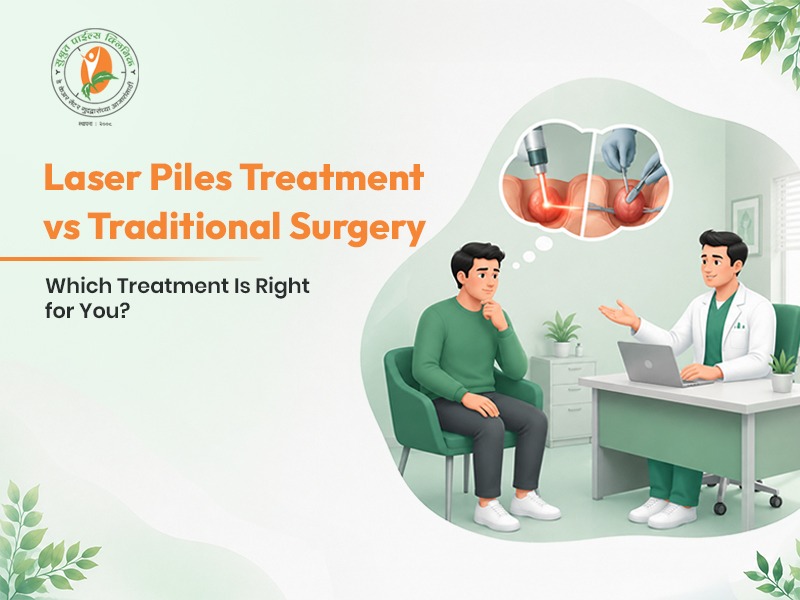

If you have been diagnosed with piles, also called hemorrhoids, you may be wondering whether laser piles treatment or traditional surgery is the better option.
Laser treatment is often described as a modern, minimally invasive approach, while traditional hemorrhoidectomy has been used for many years to treat advanced hemorrhoids. However, the right treatment is not the same for every patient.
Your treatment choice depends on the type and grade of piles, prolapse, symptoms, external components, previous treatment, and overall health. A specialist evaluation is important before deciding between laser treatment, surgery, or another treatment option.
Piles are swollen and enlarged hemorrhoidal tissues in and around the anal canal. They are generally classified as internal hemorrhoids and external hemorrhoids.
Internal piles may cause:
External piles can cause a lump, swelling, tenderness, or pain around the anus. Symptoms can vary significantly from person to person, so an accurate diagnosis is important before choosing treatment.
No.
Many patients with mild or early-stage piles can improve with conservative measures such as increasing fibre, drinking adequate fluids, avoiding excessive straining, and managing constipation.
Depending on the type and grade of hemorrhoids, office-based procedures such as rubber band ligation may also be appropriate. Surgery is generally considered when hemorrhoids are large, significantly prolapsed, persistent, or have not responded adequately to other treatments.
Therefore, the first question should not simply be, “Laser or surgery?”
The more important question is:
“What type and grade of piles do I have, and which treatment is suitable for my condition?”
The term laser piles treatment can refer to different laser-based techniques used to treat hemorrhoidal tissue.
Depending on the technique, controlled laser energy may be used to treat or shrink the hemorrhoidal tissue while limiting damage to surrounding areas.
One potential advantage of some minimally invasive approaches is less tissue disruption compared with conventional excisional surgery. However, “laser” does not automatically mean that a procedure is suitable for every patient or that it is always better than traditional surgery.
Patients should ask their specialist which specific laser procedure is being recommended, why it is appropriate, and what its benefits and limitations are.
The traditional surgical procedure most commonly discussed is excisional hemorrhoidectomy.
During a hemorrhoidectomy, problematic hemorrhoidal tissue is surgically removed. According to the American Society of Colon and Rectal Surgeons, excisional hemorrhoidectomy is an effective option for selected patients with external hemorrhoids or symptomatic combined internal and external hemorrhoids, particularly advanced grade III and IV disease.
Its major advantage is that it directly removes the problematic tissue. The trade-off is that recovery can involve more postoperative pain and discomfort than some less invasive procedures.
Laser treatment: Uses laser energy to treat hemorrhoidal tissue, depending on the specific technique.
Traditional hemorrhoidectomy: Surgically removes problematic hemorrhoidal tissue.
Some minimally invasive procedures may allow an easier early recovery. However, recovery varies according to the exact procedure, severity of hemorrhoids, and individual healing.
Traditional hemorrhoidectomy generally involves a more demanding recovery, with postoperative pain being common.
Traditional hemorrhoidectomy has an established role in treating advanced hemorrhoids. Less invasive procedures can also be useful for appropriately selected patients, but their effectiveness and recurrence rates depend on the exact technique.
This is why treatment should be selected according to the patient’s condition rather than simply choosing the procedure that sounds newer.
Laser treatment may be considered for selected patients when the particular technique is appropriate.
Traditional surgery may be more suitable for patients with large external hemorrhoids, combined internal and external disease, or significant prolapse.
Not necessarily.
This is an important point when researching laser piles treatment vs surgery.
Laser treatment may provide benefits for selected patients, particularly when a minimally invasive approach is appropriate. However, it should not automatically be considered superior to conventional hemorrhoidectomy.
The word “laser” describes the technology being used; it does not describe one single standardized hemorrhoid procedure.
The best treatment depends on your diagnosis, severity, symptoms, and the specific procedure being offered.
A minimally invasive treatment may be considered when:
The exact suitability should be determined by a qualified specialist after examination.
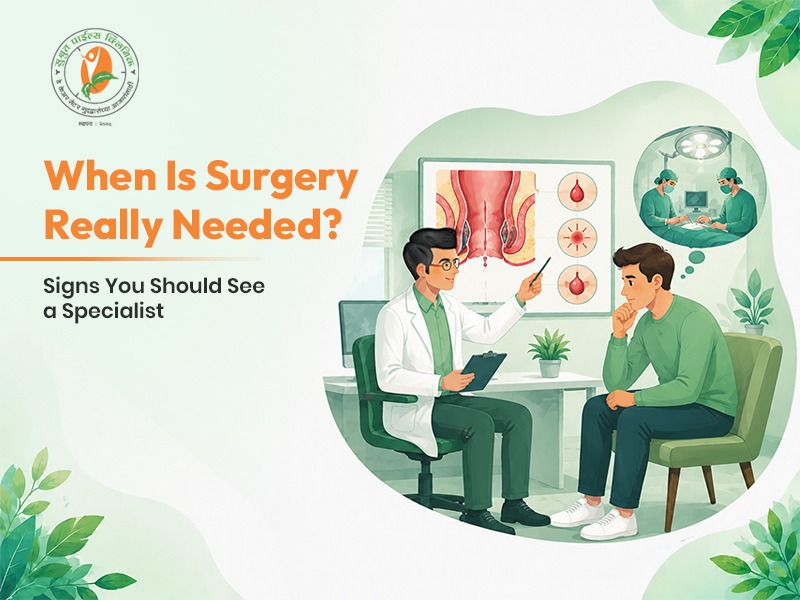
Traditional surgery may be considered when hemorrhoids are advanced or have features that make excisional treatment appropriate.
This may include:
ASCRS specifically recommends considering excisional hemorrhoidectomy for selected patients with external hemorrhoids or symptomatic combined internal and external grade III–IV hemorrhoids.
Pain is one of the biggest concerns when comparing laser treatment with traditional surgery.
Conventional hemorrhoidectomy can cause postoperative pain because tissue is removed and the surgical area needs to heal. Some minimally invasive procedures may cause less early discomfort, but this varies according to the technique and patient.
It is therefore better to ask your doctor about the specific procedure, expected pain, recovery time, activity restrictions, and follow-up rather than assuming that every laser procedure is painless.
Recurrence depends on the procedure, severity of hemorrhoids, bowel habits, and individual factors.
Some less invasive procedures may have a greater chance of recurrent symptoms or additional treatment compared with excisional hemorrhoidectomy. This does not mean surgery is automatically better for everyone.
For one patient, a less invasive treatment with an easier recovery may be reasonable. For another patient with advanced prolapse or significant external disease, a more definitive surgical procedure may be appropriate.
The goal is to balance symptom relief, durability, recovery, and safety.
Internal hemorrhoids are commonly classified from grade I to IV:
Grade is important, but it is not the only factor. Symptoms, external components, previous treatment, and overall health also influence the decision.
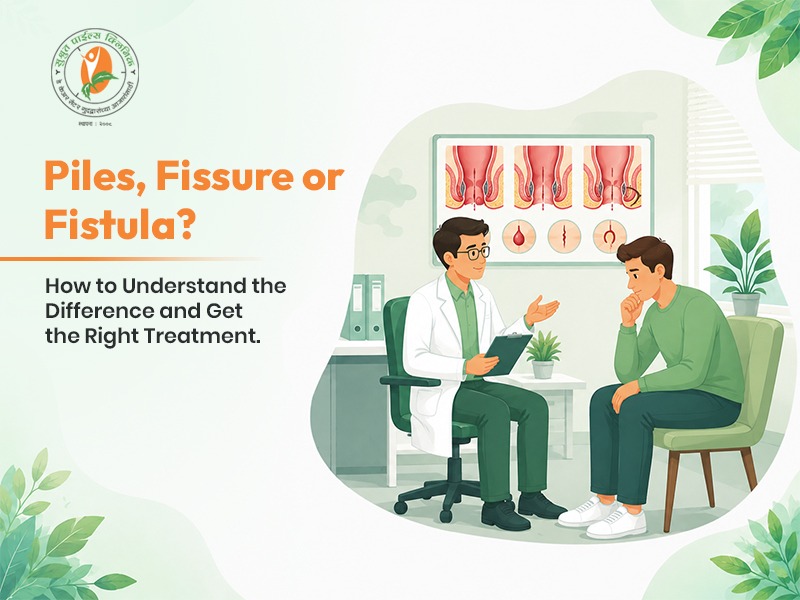
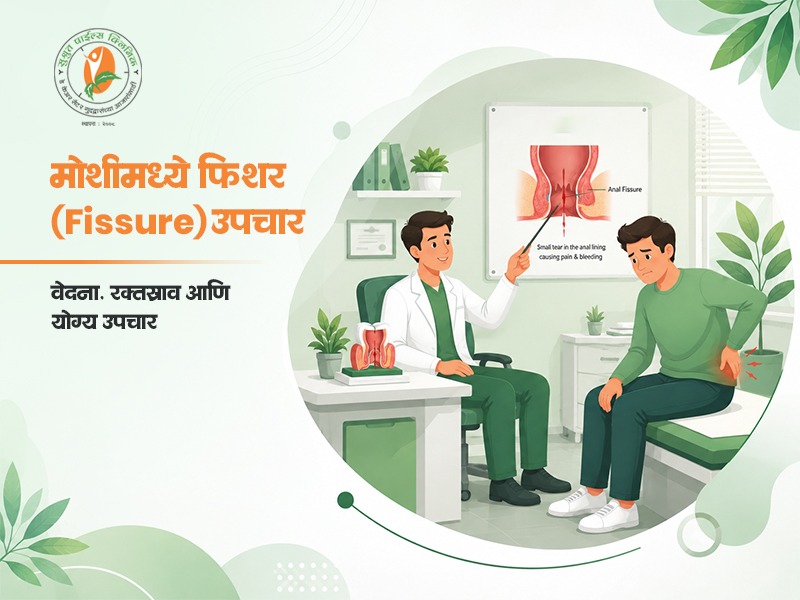
Rectal bleeding, pain, swelling, and anal lumps are not always caused by piles. Anal fissures, fistulas, infections, and other conditions can cause similar symptoms.
Persistent or unexplained rectal bleeding should therefore be medically evaluated rather than automatically attributed to hemorrhoids.
There is no universal answer to laser piles treatment vs surgery.
Some patients may benefit from a minimally invasive approach, while others with advanced or combined hemorrhoidal disease may be better candidates for traditional hemorrhoidectomy. Patients with mild disease may not need either procedure.
At Sushrut Piles Clinic, patients can discuss symptoms such as bleeding, prolapse, pain, swelling, recurrent piles, and previous unsuccessful treatments. A specialist assessment can help determine whether lifestyle management, medication, a minimally invasive procedure, laser treatment, or surgery is appropriate.
The right treatment is not necessarily the newest treatment. It is the treatment that best matches your condition, symptoms, severity, and individual needs.
When comparing laser piles treatment vs surgery, do not choose a procedure based only on marketing claims.
Laser treatment may be appropriate for selected patients, while traditional hemorrhoidectomy remains an effective option for certain advanced hemorrhoids. The safest approach is to receive an accurate diagnosis, understand your treatment choices, and discuss the expected benefits, risks, recovery, and recurrence with a specialist.

Not for everyone. Laser-based procedures may be suitable for selected patients, while traditional hemorrhoidectomy remains an important treatment for advanced hemorrhoidal disease.
No procedure should be assumed to be completely painless. Some minimally invasive techniques may cause less postoperative discomfort, but the experience varies.
It depends on the individual condition and technique. Advanced prolapse and external components may make conventional surgery more appropriate in some patients.
Yes. Recurrence can occur after different hemorrhoid treatments. Managing constipation and avoiding excessive straining may help reduce symptoms.
No. Many patients improve with lifestyle measures or non-surgical treatments. Surgery is reserved for selected cases.
M.K.Chowk, above HDFC Bank, Kawade Nagar, Trimurti Colony, Pimple Gurav, Pimpri-Chinchwad, Pune, Maharashtra 411027
Ganpati chowk,Shitole Nagar, Old Sangavi,Pune - 411027.
Shop No. 19-20, Silver Central Mall, Jadhav Wadi, Moshi, Pune-412105
Eleifend senectus ornare hendrerit dis lacinia habitant mattis