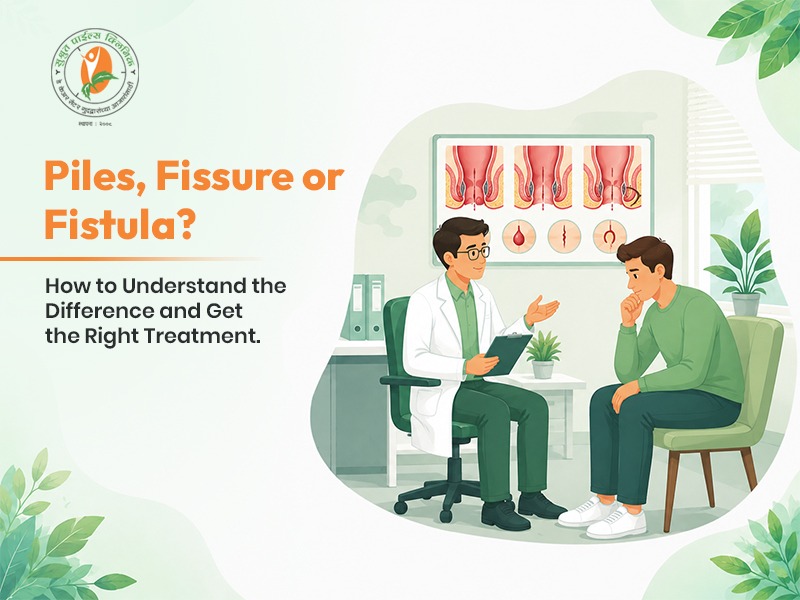

Piles, fissure, and fistula are three common conditions affecting the anal and rectal area. Because some of their symptoms can be similar, many people find it difficult to understand the difference between them.
Bleeding during bowel movements, pain, swelling, itching, or a lump around the anus may occur with different anorectal conditions. However, piles, anal fissure, and anal fistula are different conditions and may require different treatments.
If you experience persistent bleeding, pain, swelling, pus discharge, or a recurring lump around the anus, it is important to consult a doctor rather than trying to diagnose the problem yourself.
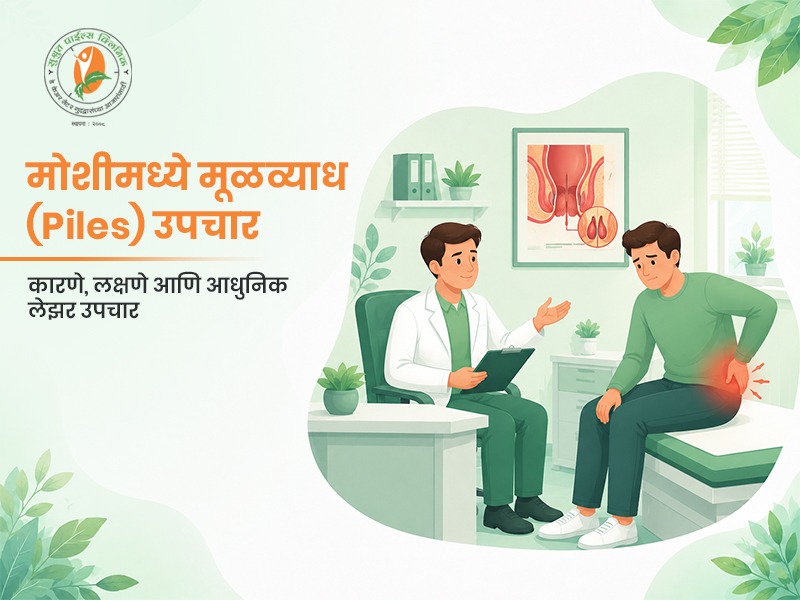
Piles, also known as hemorrhoids, occur when the blood vessels and supporting tissues in the lower rectum or anus become swollen.
Piles are generally classified as:
Common symptoms of piles include:
Constipation, straining during bowel movements, and low dietary fibre intake can contribute to hemorrhoid symptoms. However, the exact cause can vary from person to person.
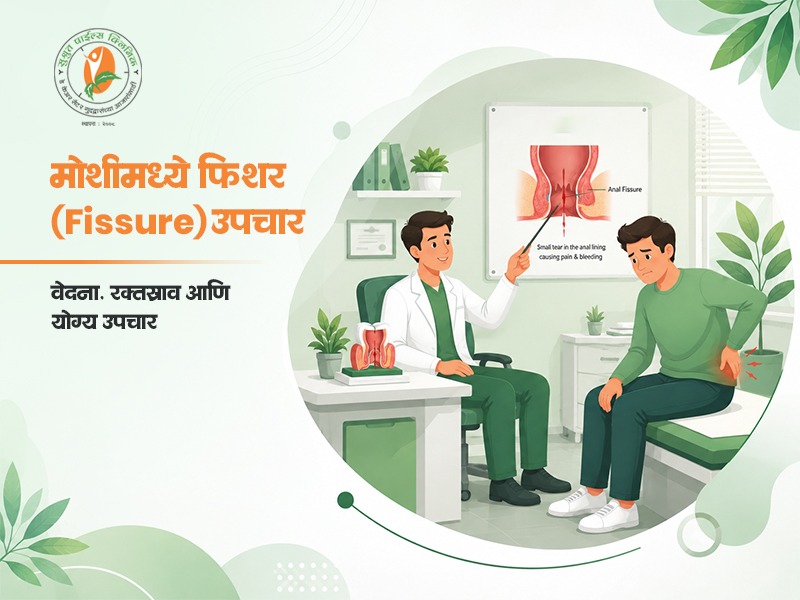
An anal fissure is a small tear or crack in the lining of the anus.
It can occur after passing hard or dry stools and may be associated with constipation or straining during bowel movements.
Common symptoms of an anal fissure include:
One of the key features that may help distinguish a fissure from piles is significant pain during and after bowel movements.
However, symptoms can overlap, so a medical examination may be required for an accurate diagnosis.
An anal fistula is an abnormal tunnel that develops between the inside of the anal canal and the skin near the anus.
Anal fistulas can develop following an anal abscess, where an infected area becomes filled with pus.
Common symptoms of an anal fistula include:
If you notice recurring pus discharge or swelling around the anus, it is important to seek medical evaluation.
Anal fistulas often require a procedure or surgery for definitive treatment, depending on their location and relationship with the anal sphincter muscles.
|
Condition |
What Happens? |
Common Symptoms |
|
Piles (Hemorrhoids) |
Swelling of hemorrhoidal blood vessels and supporting tissues |
Bleeding, lump, itching, discomfort, sometimes prolapse |
|
Anal Fissure |
A tear or crack in the anal lining |
Sharp pain during bowel movements, burning, bleeding |
|
Anal Fistula |
An abnormal tunnel between the anal canal and nearby skin |
Pus/discharge, swelling, recurrent abscess, pain |
Although this comparison can help you understand the basic differences, symptoms alone cannot always confirm the diagnosis.
It is not always possible to diagnose an anorectal condition based only on symptoms.
For example:
Bleeding during bowel movements may occur with piles or an anal fissure, but rectal bleeding can also have other causes.
Severe pain during bowel movements may suggest an anal fissure, but other conditions can also cause anal pain.
Pus discharge or repeated swelling may suggest an anal fistula or abscess.
A doctor may assess your symptoms, medical history and perform an appropriate physical examination. Depending on the condition, additional examinations may sometimes be required.
Therefore, it is better to get a proper diagnosis rather than assuming that every case of anal bleeding is piles.
Treatment depends on the condition, severity of symptoms, duration of the problem and the patient’s overall health.
Mild hemorrhoid symptoms may improve with measures such as:
Some patients may require medications or minimally invasive procedures. More advanced or prolapsed hemorrhoids may require procedural or surgical treatment.
The appropriate treatment depends on the type and severity of hemorrhoids.
Treatment for an anal fissure often focuses on reducing constipation and preventing hard stools.
Depending on the condition, a doctor may recommend:
A fissure that does not heal or repeatedly returns may require further evaluation and treatment.
Treatment for an anal fistula depends on the fistula’s location, complexity and relationship with the anal sphincter muscles.
Depending on the individual case, treatment may involve procedures such as:
The treatment approach should be decided after appropriate evaluation.
An important consideration in fistula treatment is treating the fistula while protecting the function of the anal sphincter.
Laser-based procedures may be an option for selected patients, depending on the condition and clinical assessment.
However, laser treatment is not automatically the right treatment for every patient with piles or fistula.
The doctor may consider factors such as:
Therefore, patients should not assume that laser treatment is necessary simply because they have piles or fistula.
A proper examination can help determine which treatment option is appropriate.
You should consider medical evaluation if you experience:
Seek prompt medical attention if you have significant bleeding, severe pain, fever, or rapidly increasing swelling.
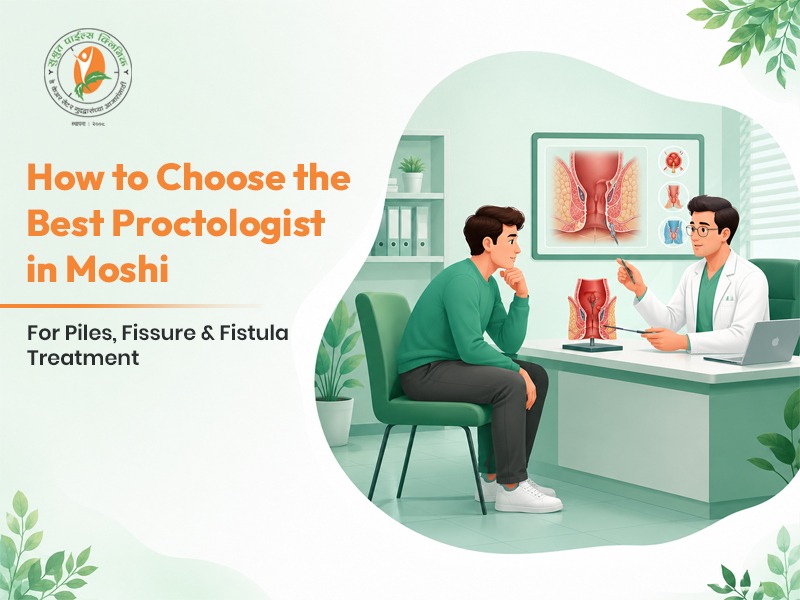
If you live in Moshi, Chikhali, Jadhavwadi, Spine Road, Talawade or nearby areas and are experiencing symptoms of piles, fissure or fistula, getting the correct diagnosis is an important first step.
Sushrut Piles Clinic, Moshi provides consultation and treatment guidance for anorectal conditions including:
Treatment is selected according to the patient’s individual condition rather than using the same approach for every patient.

No. Piles are swollen hemorrhoidal blood vessels and supporting tissues, while an anal fissure is a tear or crack in the lining of the anus.
Piles involve swollen hemorrhoidal tissues. A fistula is an abnormal tunnel connecting the anal canal to the skin near the anus. Pus discharge and recurrent swelling are more commonly associated with fistula.
Not necessarily. Bleeding can occur with piles and anal fissures, but rectal bleeding can also have other causes. Repeated or unexplained bleeding should be evaluated by a doctor.
Anal fistulas generally do not heal completely on their own and often require definitive treatment. The appropriate treatment depends on the fistula’s anatomy and its relationship with the sphincter muscles.
Laser-based techniques may be used in selected cases of piles or fistula. However, piles and fistula are different conditions, and laser treatment may not be appropriate for every patient.
Symptoms can provide clues, but they are not always enough for an accurate diagnosis. A doctor can assess your symptoms and perform an appropriate examination to determine the likely cause and recommend treatment.
M.K.Chowk, above HDFC Bank, Kawade Nagar, Trimurti Colony, Pimple Gurav, Pimpri-Chinchwad, Pune, Maharashtra 411027
Ganpati chowk,Shitole Nagar, Old Sangavi,Pune - 411027.
Shop No. 19-20, Silver Central Mall, Jadhav Wadi, Moshi, Pune-412105
Eleifend senectus ornare hendrerit dis lacinia habitant mattis