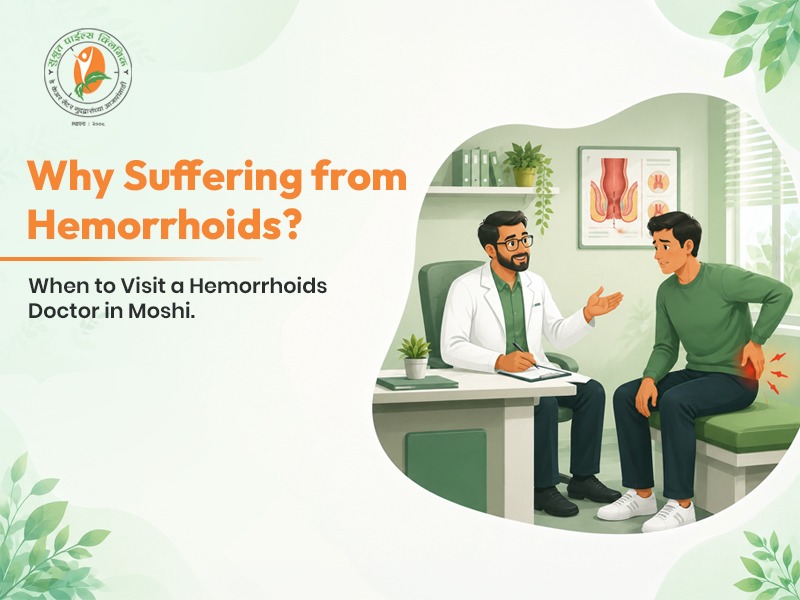

Experiencing sharp pain during or after passing stools can be alarming and may indicate an anal fissure. Many people mistake fissures for piles because both conditions can cause pain and bleeding. However, they are different problems that require proper diagnosis and treatment. Ignoring a fissure can lead to chronic pain, repeated bleeding, and difficulty during bowel movements.
If you’re searching for Fissure treatment in Moshi, early consultation with a specialist can help relieve pain and prevent complications. At Sushrut Piles Clinic, patients receive accurate diagnosis and personalized treatment using advanced medical and minimally invasive techniques for faster recovery and long-term relief.
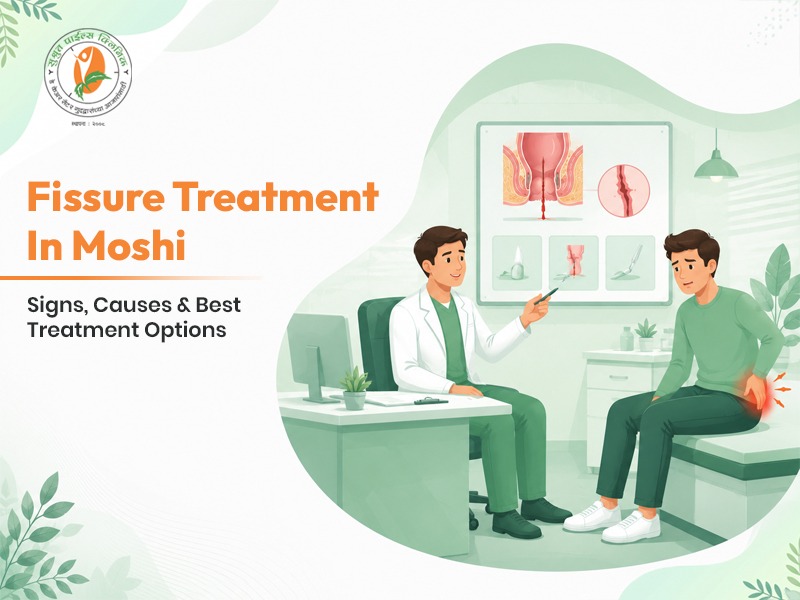
An anal fissure is a small tear or crack in the lining of the anus. It usually develops when hard stools stretch the anal canal during bowel movements. The tear exposes the underlying muscle, causing intense pain, bleeding, and muscle spasms.
Many patients looking for Fissure treatment in Moshi experience symptoms for weeks before seeking medical help. Early treatment often leads to quicker healing and reduces the risk of developing a chronic fissure.
Anal fissures often produce noticeable symptoms that affect daily life.
Common signs include:
If these symptoms continue for more than a few days, it is advisable to consult a specialist for Fissure treatment in Moshi.
Several factors can increase the risk of developing an anal fissure.
The most common causes include:
Understanding these causes helps patients prevent future episodes even after successful Fissure treatment in Moshi.
A specialist can usually diagnose an anal fissure through a medical history and physical examination.
Diagnosis may include:
The doctor discusses your symptoms, bowel habits, dietary patterns, and medical history.
The affected area is carefully examined to identify the fissure and assess its severity.
In chronic or recurrent cases, further investigations may be recommended to rule out other anorectal conditions.
Early diagnosis ensures the most appropriate Fissure treatment in Moshi and helps prevent long-term complications.
The treatment depends on whether the fissure is acute (recent) or chronic (long-standing).
Many acute fissures improve with simple lifestyle modifications, including:
These measures reduce strain during bowel movements and promote healing.
Doctors may prescribe:
Medical treatment is often effective for newly developed fissures.
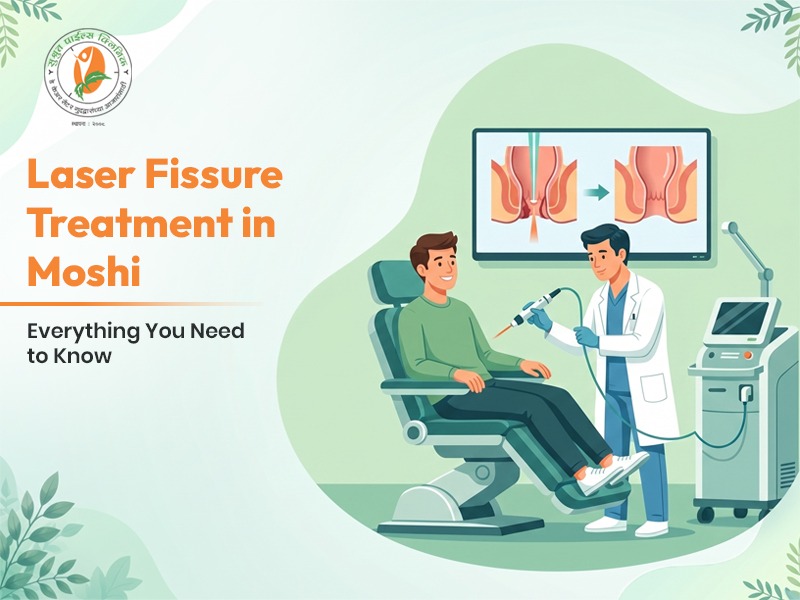
For chronic fissures that do not heal with medications, laser treatment may be recommended.
Benefits may include:
✔ Less pain
✔ Minimal bleeding
✔ Faster healing
✔ Shorter recovery period
✔ Reduced discomfort after the procedure
Not every patient requires laser treatment. The doctor will recommend the most suitable option after evaluation.
In severe or chronic cases that do not respond to conservative treatment, surgery may be advised to relieve muscle spasm and promote healing.
Recovery depends on the treatment method and the patient’s overall health.
To support faster healing:
Patients receiving early Fissure treatment in Moshi often recover more quickly and experience fewer complications.
Yes. Many fissures can be prevented by maintaining healthy bowel habits.
Simple preventive measures include:
These habits improve digestive health and reduce the risk of future fissures.
Seek medical advice immediately if you experience:
Prompt consultation helps determine whether you need conservative care or advanced Fissure treatment in Moshi.
Choosing an experienced anorectal specialist is essential for effective diagnosis and long-term relief.
Our specialists accurately diagnose fissures and recommend evidence-based treatment.
We offer modern medical, minimally invasive, and laser treatment options for suitable patients.
Every patient receives a customized treatment plan based on the severity and duration of the condition.
From diagnosis and treatment to dietary counselling and follow-up care, everything is managed in one place.
At Sushrut Piles Clinic, patient comfort, privacy, and long-term recovery remain our highest priorities.
An anal fissure can cause severe pain and significantly affect your quality of life, but early treatment can provide fast relief and prevent chronic complications. Whether your symptoms are recent or have persisted for weeks, consulting a specialist is the best way to achieve effective healing.
If you’re looking for Fissure treatment in Moshi, Sushrut Piles Clinic offers expert diagnosis, advanced treatment options, personalized care, and comprehensive follow-up to help you recover comfortably and return to your normal routine.
The most common cause is passing hard stools due to constipation, although diarrhea, childbirth, and excessive straining can also contribute.
Yes. Many acute fissures heal with medications, dietary changes, stool softeners, and healthy bowel habits.
For suitable patients, laser treatment is considered a safe and minimally invasive option that may offer faster recovery and less discomfort compared to conventional surgery.
Recovery depends on the treatment method. Many patients improve within a few weeks with conservative care, while minimally invasive procedures often allow quicker recovery.
Sushrut Piles Clinic provides experienced specialists, advanced laser treatment options, personalized care, comprehensive diagnosis, and dedicated follow-up, making it a trusted destination for Fissure treatment in Moshi.
301 ,3rd floor Fortuna Building, Shivar Chowk, above Radha Krishna Veg Resturant, opp. Domino Pizza, Pimple Saudagar, Pune, Maharashtra 411027
Ganpati chowk,Shitole Nagar, Old Sangavi,Pune - 411027.
Shop No. 19-20, Silver Central Mall, Jadhav Wadi, Moshi, Pune-412105
Eleifend senectus ornare hendrerit dis lacinia habitant mattis