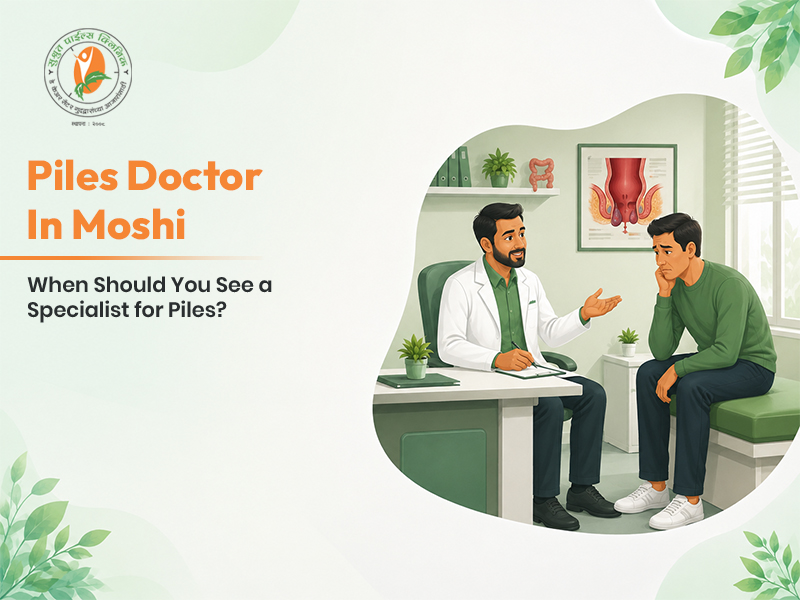


Piles, also known as hemorrhoids, are a common problem that can cause bleeding, pain, itching, swelling, or a lump around the anus. Many people initially try to manage these symptoms at home, and mild piles may sometimes improve with simple changes such as eating more fibre, drinking enough water, and avoiding straining during bowel movements.
But what if the symptoms keep coming back? Or what if you notice bleeding or tissue coming out while passing stool?
That is when it is worth speaking to a piles doctor in Moshi.
A specialist can help identify whether your symptoms are actually caused by piles, determine how advanced the condition is, and recommend a treatment that suits your particular situation. Not everyone with piles needs surgery, and not everyone is a suitable candidate for the same procedure.
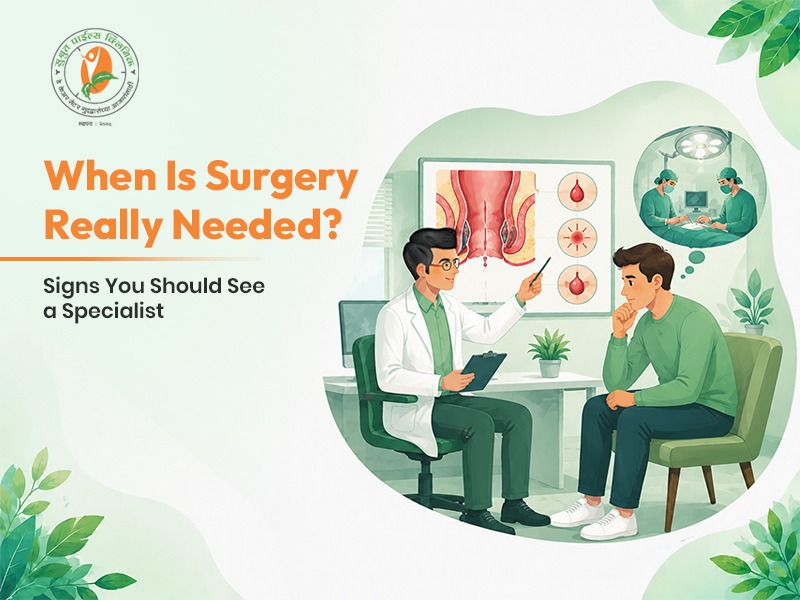
Piles are swollen blood vessels and supporting tissues in and around the anal canal. They can develop inside the anus, where they are called internal hemorrhoids, or under the skin around the anus, where they are called external hemorrhoids.
Internal piles commonly cause bright-red bleeding during or after bowel movements. Some people may also notice tissue coming out of the anus, itching, mucus discharge, or a feeling that the bowel has not completely emptied.
External piles may cause a lump, swelling, tenderness, or pain around the anus.
The symptoms can be mild at first but may become troublesome when piles become enlarged, prolapsed, or repeatedly irritated.
Not every episode of mild discomfort requires specialist treatment. However, there are certain symptoms that should not be ignored.
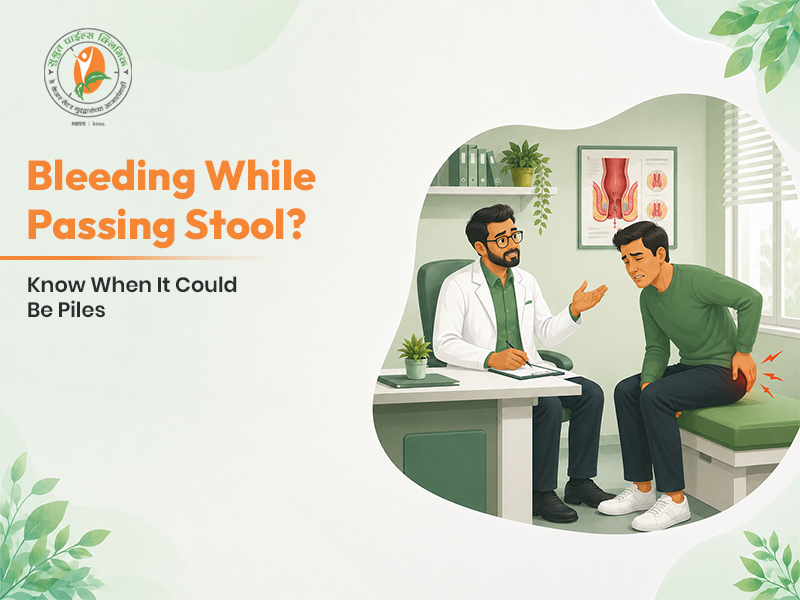
One of the most common symptoms of piles is bright-red blood during bowel movements.
Although hemorrhoids are a common cause of rectal bleeding, bleeding should not automatically be assumed to be piles. Other conditions can also cause blood in the stool.
If bleeding keeps returning, becomes heavier, or is accompanied by other symptoms, it is important to get checked by a doctor.
Do you feel or see a lump or tissue coming out when you pass stool?
This may be a sign of prolapsed internal hemorrhoids.
Doctors generally classify internal hemorrhoids into four grades:
Knowing the grade can help your doctor understand the condition, but the grade alone does not determine treatment. Your symptoms, external hemorrhoids, prolapse, bowel habits, and general health also matter.
Piles do not always cause severe pain. Significant or persistent anal pain can sometimes be related to an external hemorrhoid, particularly if a blood clot has formed inside it.
However, pain around the anus can also occur with an anal fissure, abscess, fistula, or other conditions.
So if you have ongoing or severe pain, it is better to have the problem properly examined rather than assuming it is simply piles.
If your piles improve temporarily and then return again and again, there may be an underlying problem that needs attention.
Constipation, hard stools, prolonged straining, and poor bowel habits can contribute to recurring hemorrhoidal symptoms.
A specialist can look at both the piles and the factors that may be causing them to return. Treating constipation and improving bowel habits can be an important part of long-term management.
For mild piles, simple measures can sometimes make a significant difference.
These may include increasing fibre in your diet, drinking enough fluids, avoiding excessive straining, and keeping bowel movements regular.
But if you have tried these measures and your symptoms continue, it may be time to see a specialist.
You may not need surgery. Depending on the condition, treatment could range from medicines and lifestyle changes to an office-based or minimally invasive procedure.
No.
This is one of the most important things to understand about piles treatment.
Many people with mild or moderate hemorrhoidal symptoms can be managed without surgery. The appropriate treatment depends on the type of piles, their grade, the symptoms you are experiencing, and whether previous treatments have worked.
For some patients, lifestyle changes and medicines may be enough. Others may benefit from procedures such as rubber band ligation or other minimally invasive treatments.
Surgery may be considered when hemorrhoids are large, significantly prolapsed, associated with an external component, or continue to cause troublesome symptoms despite other treatments.
The aim is to choose the right treatment for the patient, rather than assuming that every case requires the same procedure.
Bleeding, pain, itching, swelling, and a lump around the anus are not always caused by piles.
Conditions such as anal fissures, fistulas, infections, and abscesses can produce similar symptoms.
This is why it is important to have a proper evaluation before deciding on treatment. A doctor may ask about your bowel habits, bleeding, pain, prolapse, previous treatments, and how long you have had the symptoms.
An examination may then be performed to identify the likely cause and severity of the problem.
Getting the diagnosis right is the first step toward choosing the right treatment.
Many people delay seeing a piles doctor because they feel embarrassed discussing their symptoms. However, these problems are common, and a consultation is an important part of getting appropriate treatment.
During your consultation, the doctor may ask questions such as:
Depending on your symptoms, the doctor may recommend an appropriate physical examination or further evaluation.
A consultation does not automatically mean surgery. The purpose is to understand what is happening and decide what treatment, if any, is necessary.
Some symptoms should not be ignored.
You should seek medical attention promptly if you have heavy or persistent rectal bleeding, severe or rapidly increasing anal pain, a rapidly enlarging lump, fever with anal pain or swelling, pus or unusual discharge, or symptoms that are getting worse.
These symptoms may indicate a condition other than ordinary hemorrhoids and should be evaluated by a medical professional.
A piles specialist can help you understand what is causing your symptoms and whether you actually need a procedure.
Depending on your condition, treatment may involve:
The treatment decision should be based on your diagnosis rather than simply choosing the treatment that sounds newest or least invasive.
At Sushrut Piles Clinic, patients can discuss concerns such as bleeding, prolapse, pain, swelling, recurrent piles, constipation, and previous unsuccessful treatments.
The goal is to first understand the patient’s condition and then discuss appropriate treatment options. Depending on the diagnosis and severity, treatment may involve conservative management, medicines, minimally invasive procedures, or surgery.
If you are looking for a piles doctor in Moshi, consulting a specialist can help you understand whether your symptoms can be managed without surgery or whether a procedure may be appropriate.
If you are searching for a piles doctor in Moshi, you do not have to wait until your symptoms become severe.
Occasional mild symptoms may improve with appropriate lifestyle changes, but repeated bleeding, persistent pain, swelling, prolapse, recurrent piles, or symptoms that are not improving should be evaluated by a specialist.
Most importantly, not every patient with piles needs surgery. The right treatment depends on the type and severity of the condition, your symptoms, and your overall health.
A proper diagnosis can help you understand your options and choose a treatment that is appropriate for your individual needs.
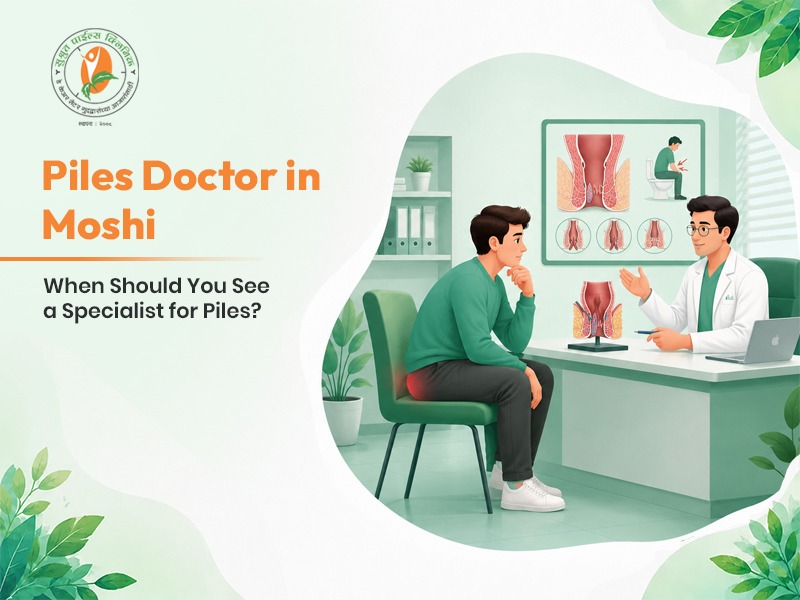
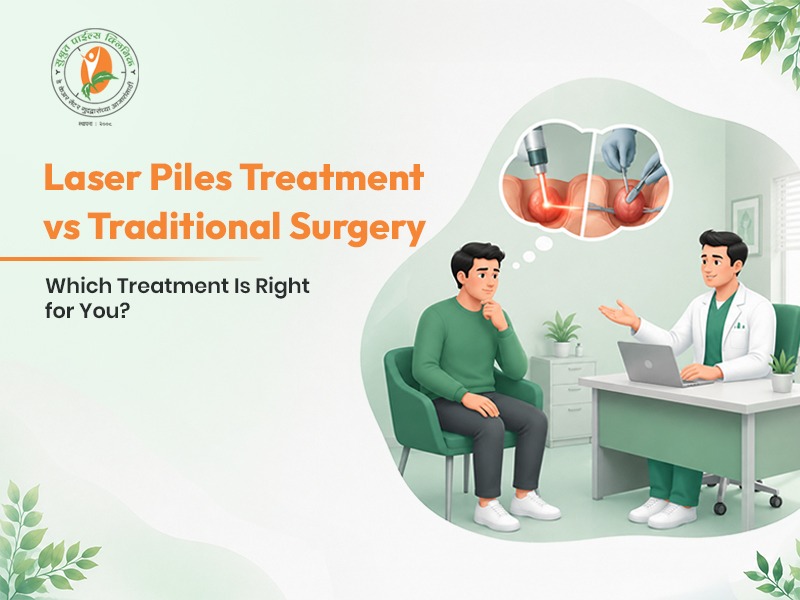
You should consider seeing a specialist if you have repeated bleeding, persistent pain or swelling, tissue coming out during bowel movements, recurrent piles, or symptoms that do not improve with basic lifestyle measures.
Yes. Many mild cases can improve with dietary and lifestyle changes. Some patients may also benefit from medicines or non-surgical procedures.
No. Piles are a common cause of rectal bleeding, but other conditions can also cause bleeding. Persistent or unexplained bleeding should be medically evaluated.
Not necessarily in every individual case. However, Grade 4 hemorrhoids involve persistent prolapse and may require a procedure or surgery depending on the patient’s symptoms and examination findings.
Yes. Piles can recur after treatment. Maintaining healthy bowel habits, avoiding excessive straining, managing constipation, and getting appropriate treatment can help reduce recurring symptoms.
There is no need to feel embarrassed. Piles and other anorectal conditions are common medical problems. Getting evaluated early can help prevent symptoms from becoming more troublesome.
M.K.Chowk, above HDFC Bank, Kawade Nagar, Trimurti Colony, Pimple Gurav, Pimpri-Chinchwad, Pune, Maharashtra 411027
Ganpati chowk,Shitole Nagar, Old Sangavi,Pune - 411027.
Shop No. 19-20, Silver Central Mall, Jadhav Wadi, Moshi, Pune-412105
Eleifend senectus ornare hendrerit dis lacinia habitant mattis