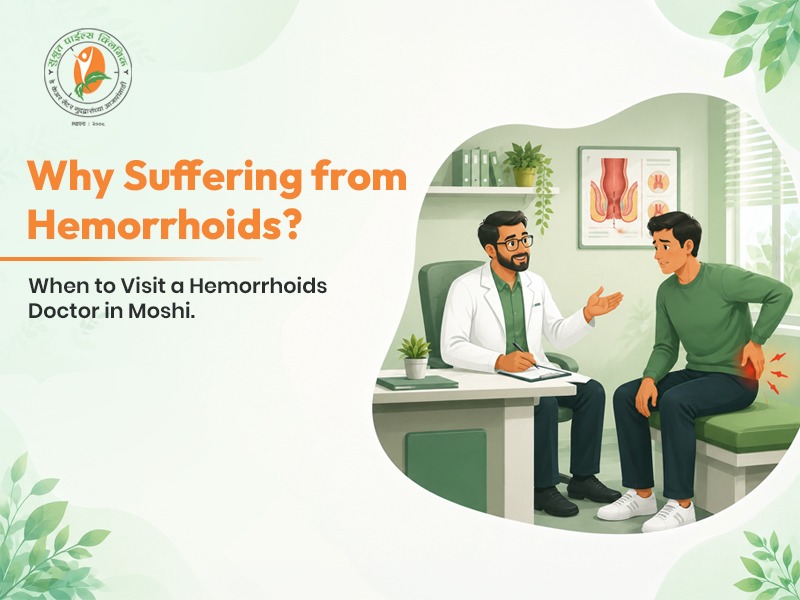

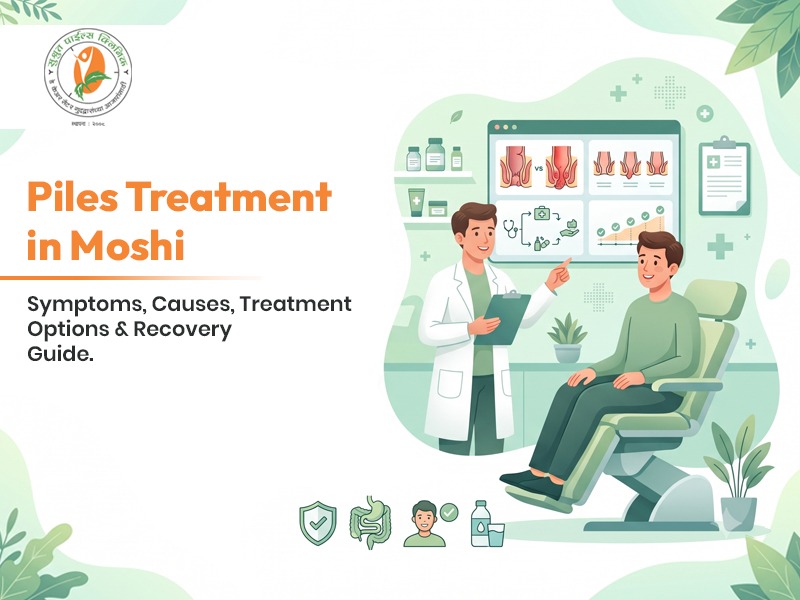
Piles, also known as hemorrhoids, are one of the most common anorectal conditions affecting both men and women. They develop when the veins around the anus or lower rectum become swollen, leading to symptoms such as pain, bleeding, itching, and discomfort during bowel movements. Although piles are highly treatable, many people delay seeking medical care because of embarrassment or fear of surgery. Unfortunately, postponing treatment often allows the condition to worsen.
If you’re looking for Piles treatment in Moshi, consulting a specialist early can help you avoid complications and recover faster. At Sushrut Piles Clinic, we provide accurate diagnosis and advanced treatment options, including minimally invasive and laser procedures, to help patients return to a comfortable and healthy lifestyle with minimal downtime.
Piles (hemorrhoids) are swollen veins located inside the rectum (internal piles) or around the anus (external piles). They may develop gradually due to increased pressure in the lower rectum.
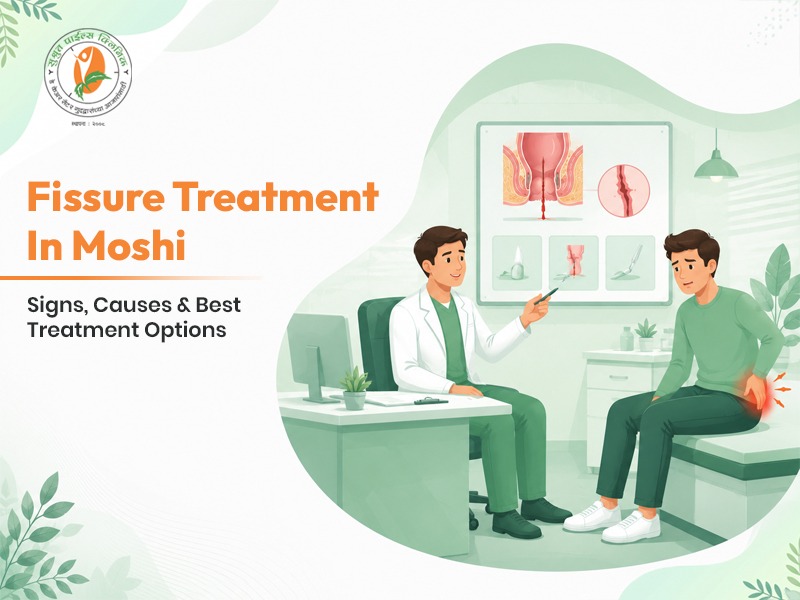
Internal piles usually cause painless bleeding during bowel movements, while external piles may lead to pain, swelling, itching, or a painful lump near the anus.
Many patients searching for Piles treatment in Moshi are surprised to learn that early-stage piles can often be treated without major surgery when diagnosed in time.
Several everyday habits and medical conditions can increase the risk of developing piles.
The most common causes include:
Understanding these risk factors helps prevent future recurrence even after Piles treatment in Moshi.
Piles symptoms often begin mildly and gradually become more uncomfortable.
You should consult a specialist if you notice:
These symptoms may also resemble other digestive disorders, making proper medical diagnosis essential.
Many patients worry that piles diagnosis is painful, but the examination is usually simple and quick.
At Sushrut Piles Clinic, diagnosis may include:
The doctor discusses your symptoms, bowel habits, diet, and medical history.
External piles can often be identified during a physical examination.
Special instruments may be used to examine internal hemorrhoids safely and accurately.
If bleeding is significant or symptoms suggest another condition, additional investigations may be recommended.
Early diagnosis helps determine the most suitable Piles treatment in Moshi before complications develop.
Treatment depends on the severity of your condition and symptoms.
Patients with mild piles often benefit from:
These changes reduce pressure on the rectal veins and improve digestive health.
Doctors may prescribe:
Medication works best when combined with healthy lifestyle changes.
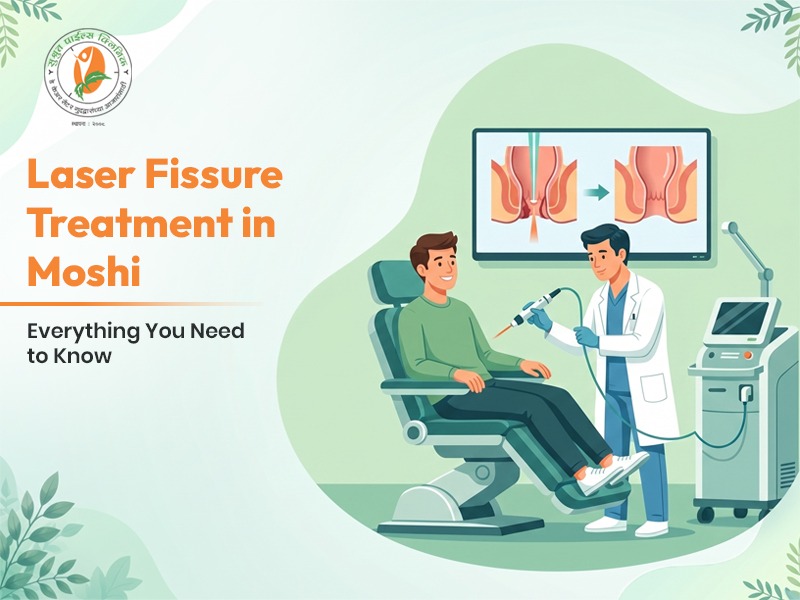
Laser treatment has become one of the preferred options for suitable patients because it offers several advantages.
Benefits include:
✔ Minimal pain
✔ Less bleeding
✔ Faster recovery
✔ Smaller wounds
✔ Short hospital stay
✔ Early return to daily activities
Many people seeking Piles treatment in Moshi prefer laser procedures because they are less invasive than traditional surgery.
Advanced or complicated piles may require surgical removal.
Your doctor will recommend surgery only when conservative or minimally invasive treatments are not suitable.
Recovery depends on the type of treatment performed.
To heal faster:
Patients undergoing minimally invasive Piles treatment in Moshi often return to normal activities much sooner than those undergoing conventional surgery.
Prevention is always better than treatment.
Simple lifestyle habits can reduce your risk significantly.
These habits also help prevent piles from recurring after treatment.
Consult a doctor immediately if you experience:
Early consultation allows the doctor to diagnose the condition accurately and begin the most effective Piles treatment in Moshi before symptoms become severe.
Choosing the right specialist plays an important role in successful treatment and faster recovery.
Our doctors have extensive experience in diagnosing and treating piles and other anorectal conditions.
We provide modern laser procedures for eligible patients, helping reduce pain, bleeding, and recovery time.
Every patient receives a customized treatment plan based on the severity of the condition and overall health.
From diagnosis and treatment to dietary guidance and follow-up care, everything is managed in one place.
At Sushrut Piles Clinic, we focus on patient comfort, privacy, and long-term relief through evidence-based treatment.
Piles are a common but treatable condition that should never be ignored. Early diagnosis can prevent complications, reduce discomfort, and help you recover more quickly. Whether you’re experiencing bleeding, pain, itching, or swelling, consulting an experienced specialist is the first step toward effective treatment.
If you’re searching for Piles treatment in Moshi, Sushrut Piles Clinic offers advanced diagnosis, personalized treatment plans, laser treatment options, and compassionate care to help you achieve long-term relief and a better quality of life.
The earliest symptoms include bleeding during bowel movements, itching, swelling, pain, and discomfort around the anal area.
Yes. Mild and moderate piles can often be managed with medications, dietary changes, lifestyle modifications, or minimally invasive procedures.
Yes. Laser treatment is considered a safe and effective option for suitable patients and generally involves less pain, minimal bleeding, and quicker recovery.
Recovery varies depending on the treatment method. Patients undergoing minimally invasive procedures often resume normal activities within a few days, while surgical recovery may take longer.
Sushrut Piles Clinic offers experienced specialists, advanced laser treatment, personalized care, modern diagnostic facilities, comprehensive follow-up, and a patient-first approach, making it a trusted destination for Piles treatment in Moshi.
301 ,3rd floor Fortuna Building, Shivar Chowk, above Radha Krishna Veg Resturant, opp. Domino Pizza, Pimple Saudagar, Pune, Maharashtra 411027
Ganpati chowk,Shitole Nagar, Old Sangavi,Pune - 411027.
Shop No. 19-20, Silver Central Mall, Jadhav Wadi, Moshi, Pune-412105
Eleifend senectus ornare hendrerit dis lacinia habitant mattis