
Qualification :- B.A.M.S
MMC No. – I-64912-A

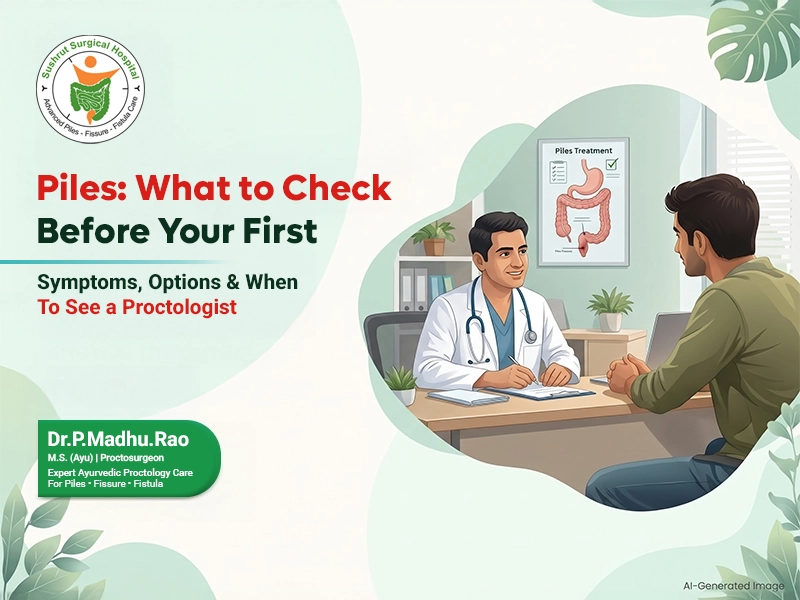
Piles, medically known as haemorrhoids, are a common anorectal condition that can cause bleeding, itching, swelling, pain and discomfort during bowel movements. Symptoms may range from mild irritation to persistent discomfort that affects daily activities.
Ayurveda describes several approaches to managing piles, including dietary modifications, traditional medicines and selected parasurgical procedures. However, treatment suitability depends on the type and severity of haemorrhoids, and not every approach is appropriate for every patient.
This article explains Ayurvedic treatment for piles, common symptoms, available treatment approaches and when medical evaluation may be necessary.
Piles are swollen vascular structures in or around the anus and lower rectum. They are classified into two main types:
Common symptoms include bleeding, discomfort while passing stool, itching, swelling and a lump near the anal opening.
Rectal bleeding should not automatically be attributed to piles because other conditions can cause similar symptoms.
Ayurvedic treatment for piles involves traditional approaches that consider symptoms, bowel habits, diet and individual health conditions.
Depending on the clinical assessment, management may include:
The effectiveness and safety of different Ayurvedic treatments vary, and their clinical evidence is not equally established. Patients should discuss potential benefits, risks and alternatives with qualified healthcare professionals.
Several factors may contribute to haemorrhoids or aggravate existing symptoms, including:
Managing constipation and avoiding excessive straining can help reduce pressure on the anorectal tissues.
Kshara Karma is a traditional Ayurvedic parasurgical procedure involving the application of a specially prepared alkaline substance to selected tissues.
It is described in Ayurvedic practice for certain anorectal conditions, including selected cases of internal haemorrhoids.
Its suitability depends on the type and severity of piles, the presence of bleeding or prolapse and the patient’s overall health.
Potential risks, including pain, local tissue injury, bleeding and infection, should be discussed before considering the procedure. It is not suitable for every patient and should not be assumed to be superior to conventional treatment.
No. Treatment depends on the grade of haemorrhoids, symptoms and individual medical circumstances.
Mild cases may improve with dietary changes and conservative management. More advanced or persistent cases may require medical procedures or surgical evaluation.
Available options may include lifestyle management, medicines, office-based procedures such as rubber band ligation and selected surgical interventions. Traditional Ayurvedic procedures may also be discussed where appropriate.
A proper examination helps determine the most suitable treatment approach.
Yes. Healthy bowel habits can help reduce constipation and irritation associated with haemorrhoids.
Helpful measures include:
These measures may help control symptoms but may not be sufficient for advanced haemorrhoids.
The experience depends on the treatment method and individual response. Dietary changes and conservative management generally do not involve invasive procedures.
Parasurgical procedures such as Kshara Karma may cause discomfort, irritation or pain during treatment and recovery.
Before undergoing any procedure, patients should understand its potential risks, expected recovery, pain management requirements and alternative treatment options. No procedure should be considered completely painless or risk-free.
Yes. Haemorrhoids can recur after treatment.
Persistent constipation, repeated straining, inadequate dietary fibre and unhealthy bowel habits may contribute to recurring symptoms.
Maintaining adequate hydration, eating a balanced diet, exercising regularly and following medical advice may help reduce recurrence risk.
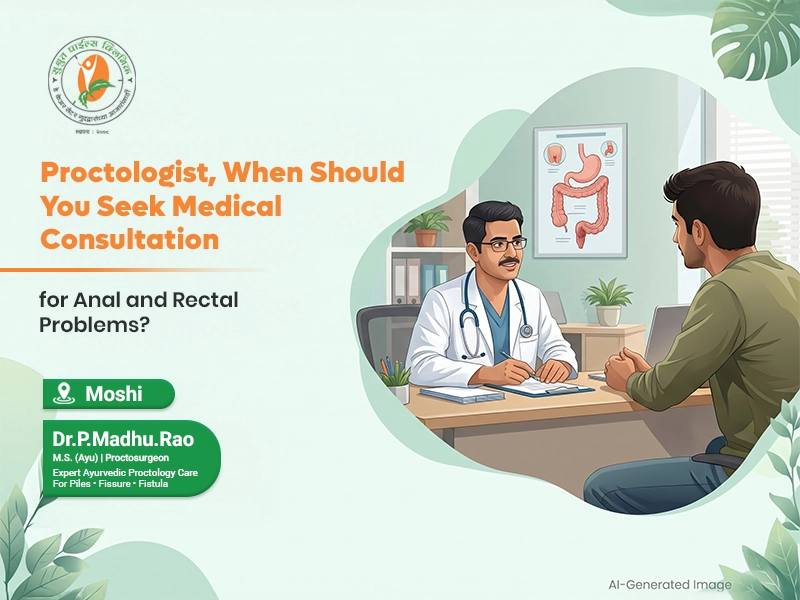
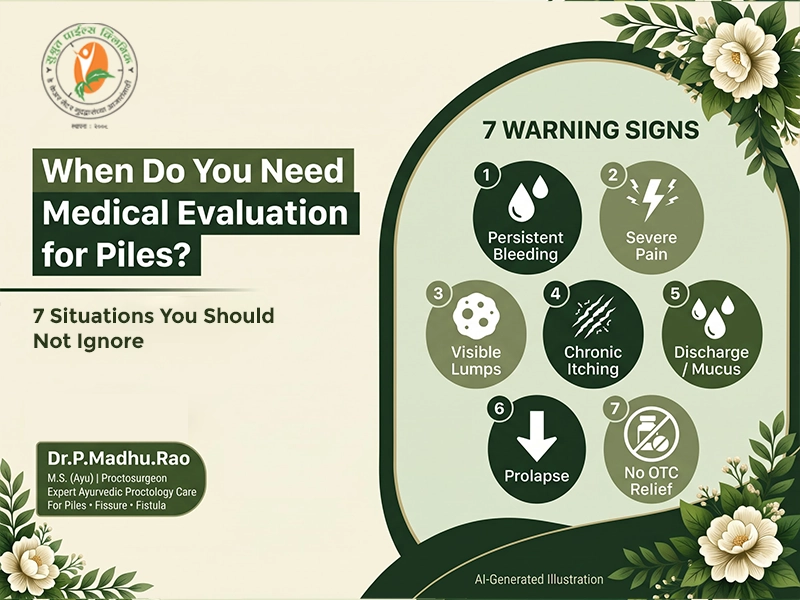
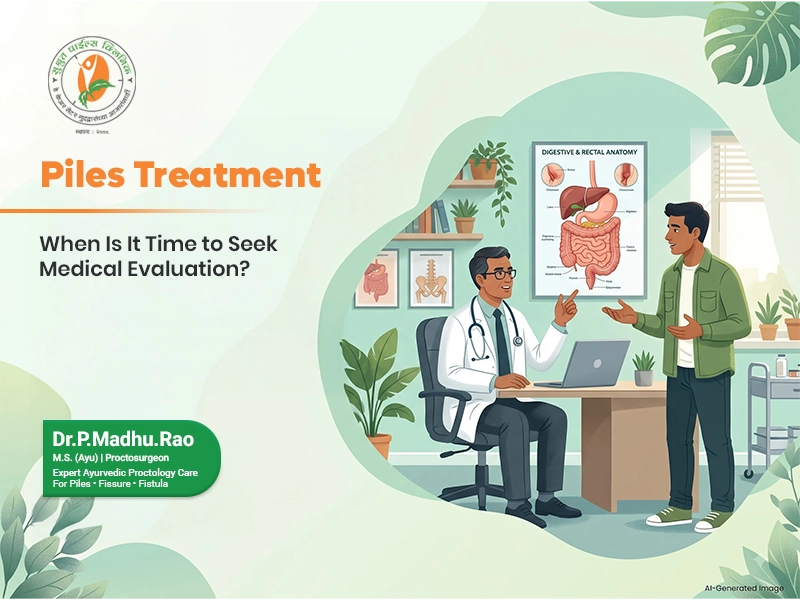
Medical evaluation is advisable if you experience repeated rectal bleeding, persistent anal pain, swelling, a lump near the anus, tissue protrusion or symptoms that do not improve.
Heavy bleeding, dizziness, fainting, severe pain with fever or rapidly increasing swelling require prompt medical attention.
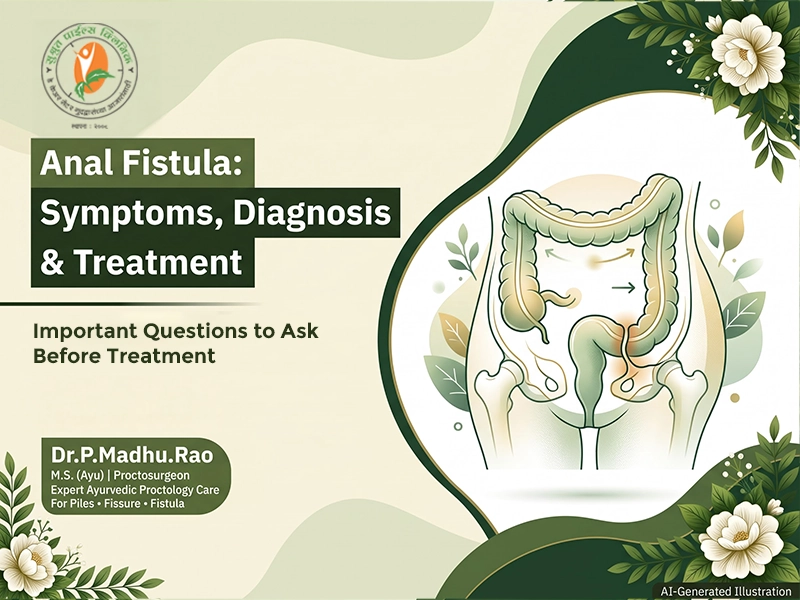
Proper diagnosis is important because anal fissures, infections and other gastrointestinal conditions can produce symptoms similar to piles.
Ayurvedic treatment for piles includes traditional medicines, dietary modifications and selected parasurgical approaches such as Kshara Karma. However, treatment suitability and outcomes vary depending on the individual’s condition.
Understanding the available treatment options, their limitations and potential risks can help patients make informed healthcare decisions. Persistent bleeding, pain or swelling should always be evaluated by a qualified healthcare professional.
Ayurveda describes several approaches to managing piles, but clinical evidence varies between treatments. Effectiveness depends on the individual condition and treatment selected.
Many mild cases can initially be managed with dietary changes, fibre intake, hydration and appropriate medical treatment. Advanced cases may require procedures or surgery.
Kshara Karma is a traditional Ayurvedic parasurgical procedure using a specially prepared alkaline substance on selected tissues. It may be considered for certain cases following clinical assessment.
Yes. Recurrence is possible after any treatment. Managing constipation, avoiding straining and maintaining healthy bowel habits may help reduce the risk.
This article is for educational purposes only and does not replace professional medical advice, diagnosis or treatment. Consult a qualified healthcare professional for individual assessment and appropriate care.
Understand the condition. Choose the appropriate treatment. Follow the healing journey.
📍 Location: Pimple Gurav, Pune
M.K.Chowk, above HDFC Bank, Kawade Nagar, Trimurti Colony, Pimple Gurav, Pimpri-Chinchwad, Pune, Maharashtra 411027
Ganpati chowk,Shitole Nagar, Old Sangavi,Pune - 411027.
Shop No. 19-20, Silver Central Mall, Jadhav Wadi, Moshi, Pune-412105
Eleifend senectus ornare hendrerit dis lacinia habitant mattis