

Qualification :- B.A.M.S
MMC No. – I-64912-A

Pain while passing stool can make everyday bowel movements uncomfortable. Some people may even delay going to the toilet because they anticipate pain. Although constipation and hard stools are common contributing factors, persistent or recurring anal pain can also be associated with conditions such as anal fissures, haemorrhoids, infections or other anorectal disorders.
The nature of the pain, its duration and accompanying symptoms may provide useful information about the possible cause. Some individuals experience sharp pain during bowel movements, while others notice burning, soreness or discomfort that continues afterward.
Understanding the possible causes and recognising warning signs can help individuals seek appropriate medical evaluation.
Anal pain may occur alongside several symptoms depending on the underlying condition. These may include:
The timing of the pain can also be relevant. Sharp pain during bowel movements that continues afterward is commonly associated with an anal fissure. Pain accompanied by a swollen or tender lump may occur with certain haemorrhoid conditions.
However, symptoms can overlap, and their presence alone cannot establish a diagnosis.
Piles and anal fissures are different conditions that can cause bleeding and discomfort during bowel movements.
Piles (haemorrhoids): These involve swollen blood vessels and supporting tissues in and around the anus and lower rectum. Symptoms may include bleeding, itching, swelling, prolapse and discomfort. Internal haemorrhoids often cause painless bleeding, while external haemorrhoids may become painful, particularly when a blood clot develops.
Anal fissure: This is a small tear in the lining of the anal canal. It commonly causes sharp or cutting pain during bowel movements, sometimes followed by burning or discomfort that continues afterward. Fresh bleeding may also occur.
Hard stools, constipation and repeated straining can contribute to the development or worsening of an anal fissure.
Although these conditions have different causes, their symptoms may appear similar. Clinical assessment helps distinguish between them.
Sharp pain while passing stool can occur when hard stool stretches or irritates the anal canal. An anal fissure is a common possible cause, particularly when pain occurs during stool passage and continues afterward.
However, sharp anal pain is not necessarily caused by a fissure. Thrombosed external haemorrhoids, infections, abscesses and other anorectal conditions can also produce significant discomfort.
Severe or recurring pain, particularly when accompanied by swelling, fever, pus or significant bleeding, should be medically evaluated.
Yes. Constipation is an important contributing factor in painful bowel movements.
Hard or dry stools can stretch and irritate the anal tissues. Repeated straining increases pressure around the anal canal and may contribute to the development of fissures or aggravate existing haemorrhoids.
Certain bowel habits may help reduce constipation, including:
Persistent constipation or pain despite these measures may require medical assessment.
Pain that continues after bowel movements may occur when the anal tissues remain irritated. This is frequently reported with anal fissures.
A tear in the anal lining can cause discomfort during stool passage, followed by burning or pain afterward. Tightening of the muscles around the anal canal may also contribute to symptoms.
Haemorrhoids, infections and other anorectal conditions can produce similar discomfort.
The duration and severity of pain, together with symptoms such as bleeding, swelling, lumps or discharge, can help guide clinical evaluation.
Diagnosis generally begins with a discussion of symptoms and medical history. A healthcare professional may ask about:
Depending on the symptoms, an examination of the anal and rectal area may be recommended. Additional investigations may be required when the findings suggest another underlying condition.
The appropriate diagnostic approach depends on the individual’s symptoms and clinical findings.
Treatment depends on the underlying cause, severity of symptoms and individual medical circumstances.
For constipation: Dietary modifications, adequate hydration, appropriate physical activity and selected medicines may help improve stool consistency.
For anal fissures: Treatment may include stool-softening measures, prescribed topical medicines and other interventions when symptoms persist.
For haemorrhoids: Conservative management may be sufficient in mild cases. Selected patients may require office-based procedures or surgery depending on the type and severity.
For anal abscesses or infections: Specific medical treatment is necessary. An abscess may require drainage, and antibiotics may be indicated in selected circumstances.
The important consideration is identifying the actual cause before selecting treatment. Medicines intended for piles may not address the underlying problem if the pain is caused by a fissure, infection or another condition.
Medical evaluation is advisable when anal pain is severe, persistent, recurrent or progressively worsening.
Other symptoms requiring attention include repeated rectal bleeding, a new lump, persistent swelling, pus discharge, changes in bowel habits or unexplained weight loss.
Severe pain accompanied by fever, rapidly increasing swelling or chills may indicate an abscess or significant infection and requires prompt medical attention.
Heavy bleeding, fainting or marked weakness also requires urgent assessment.
When constipation contributes to discomfort, maintaining softer stools may help reduce strain on the anal tissues.
General measures include eating fibre-rich foods, drinking adequate fluids, maintaining appropriate physical activity and avoiding unnecessary straining.
It is also important not to delay bowel movements repeatedly. Avoiding the toilet because of anticipated pain can worsen constipation and contribute to a cycle of harder stools and further discomfort.
These measures support bowel health but do not replace medical assessment when symptoms continue or worsen.
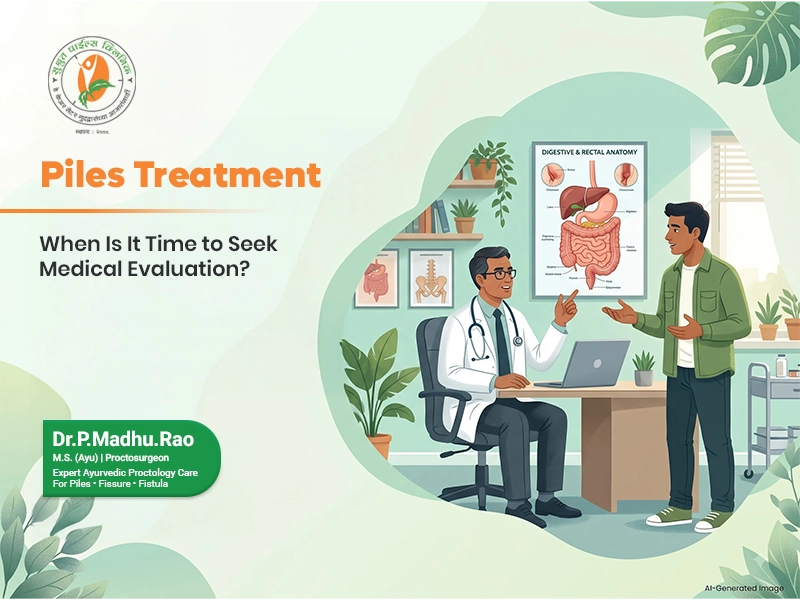
No. Painful bowel movements may be associated with anal fissures, haemorrhoids, constipation, infections and other anorectal conditions. Clinical examination may be necessary to identify the cause.
Pain that continues afterward can occur with anal fissures because the tear remains irritated. Other anorectal conditions may also cause prolonged discomfort.
Yes. Passing hard stools and repeated straining can stretch and injure the anal lining, contributing to fissure formation.
Medical assessment is advisable when pain persists, repeatedly returns, becomes severe or occurs with bleeding, swelling, discharge or other concerning symptoms. Fever with increasing anal swelling requires prompt attention.
This article is intended solely for general health education and public awareness. It does not constitute medical advice, diagnosis or treatment recommendations. The causes of anal pain and appropriate treatment vary between individuals. Consult a qualified healthcare professional for clinical assessment and personalised guidance. Seek urgent medical attention for heavy bleeding, fainting, severe pain or fever accompanied by increasing anal swelling.
Experiencing pain while passing stool, painful bowel movements, fissure pain or piles pain in Moshi?
📍 Location: Pimple Gurav, Pune
Get your symptoms evaluated and discuss appropriate treatment options with a qualified specialist.
M.K.Chowk, above HDFC Bank, Kawade Nagar, Trimurti Colony, Pimple Gurav, Pimpri-Chinchwad, Pune, Maharashtra 411027
Ganpati chowk,Shitole Nagar, Old Sangavi,Pune - 411027.
Shop No. 19-20, Silver Central Mall, Jadhav Wadi, Moshi, Pune-412105
Eleifend senectus ornare hendrerit dis lacinia habitant mattis