
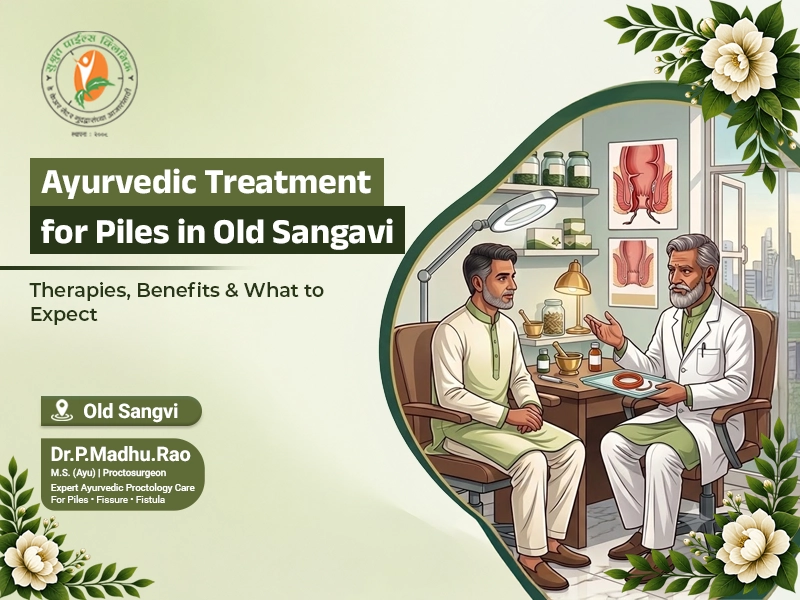
Piles, also known as hemorrhoids or Arsha in Ayurveda, are a common anorectal condition that can cause symptoms such as bleeding during bowel movements, itching, discomfort, swelling, pain, or a feeling of a lump around the anus. Constipation, straining during bowel movements, prolonged sitting, low dietary fiber, and irregular bowel habits may contribute to piles. While mild symptoms may sometimes improve with dietary and lifestyle changes, persistent or recurring symptoms should be properly evaluated. If you are looking for Ayurvedic treatment for piles in Old Sangavi, understanding the available Ayurvedic therapies, their potential role, and what to expect during treatment can help you make an informed decision. A consultation with a qualified Ayurvedic doctor can help assess your symptoms and determine whether Ayurvedic management is suitable for your condition.
In Ayurveda, piles are commonly described as Arsha, and management may focus on the individual’s symptoms, bowel habits, diet, lifestyle, and the nature of the condition. Ayurvedic care can involve dietary recommendations, medicines, local therapies, and selected procedures depending on the patient’s condition. The objective is generally to manage symptoms, improve bowel habits, address constipation, and support appropriate healing.
Ayurvedic piles treatment in Old Sangavi may include approaches such as Bheshaj Chikitsa, which involves Ayurvedic medicines, along with dietary and lifestyle modifications. For selected cases, procedures such as Kshara Karma or other Ayurvedic therapies may be considered by a qualified practitioner. The appropriate approach depends on factors such as the type and severity of piles, symptoms, duration, and previous treatment. Patients should undergo proper clinical assessment before beginning any treatment rather than selecting an Ayurvedic therapy based only on online information or general claims.
Piles can present differently in different patients. Some people may primarily experience bleeding, while others may have itching, pain, swelling, or prolapse. Ayurvedic treatment therefore needs to be individualized rather than following one treatment plan for everyone. A piles doctor in Old Sangavi can evaluate the symptoms and help determine whether conservative Ayurvedic care, a procedure, or another form of medical treatment may be appropriate.
Ayurvedic management of piles may involve several approaches depending on the patient’s condition. Dietary and lifestyle modifications are an important part of care, particularly when constipation and straining contribute to symptoms. Patients may be advised to maintain adequate fluid intake, consume appropriate amounts of dietary fiber, establish regular bowel habits, remain physically active, and avoid prolonged straining during bowel movements.
Bheshaj Chikitsa refers broadly to treatment through medicines and may be used as part of an individualized Ayurvedic management plan. Depending on the patient’s symptoms and clinical assessment, an Ayurvedic practitioner may recommend appropriate medicines and supportive measures. Local therapies may also be considered in selected cases.
For certain types of piles, an Ayurvedic procedure such as Kshara Karma may be discussed. Kshara Karma involves the controlled application of a specially prepared alkaline substance and should only be performed by a suitably qualified practitioner when clinically appropriate. The treatment selected should depend on the characteristics of the piles and the patient’s overall condition rather than on the assumption that one Ayurvedic therapy is suitable for every patient.
Patients considering Ayurveda for piles often want to know what benefits they can realistically expect. Ayurvedic management may help address factors associated with piles, particularly constipation, irregular bowel habits, dietary patterns, and straining. Depending on the treatment selected, the approach may also aim to manage symptoms and support recovery.
One potential benefit of an individualized treatment plan is that it can address both the symptoms and lifestyle factors that may contribute to their recurrence. However, the expected outcome depends on the type and severity of piles. Mild piles may respond to dietary and lifestyle changes and appropriate medicines, whereas persistent or advanced hemorrhoids may require a procedure or surgical treatment.
Patients should also understand that “natural” does not automatically mean risk-free or suitable for everyone. Ayurvedic medicines and procedures should be used under appropriate professional guidance, particularly when symptoms include significant bleeding, severe pain, prolapse, or recurring problems.
Yes, Ayurvedic treatment may have a role in managing piles, particularly when treatment is individualized according to the patient’s symptoms and condition. Dietary and lifestyle measures, Ayurvedic medicines, and selected procedures may be considered. However, not every type or grade of piles will require or respond to the same Ayurvedic approach. Proper evaluation is important to determine whether conservative care, an Ayurvedic procedure, or another treatment option is appropriate.
Bleeding, persistent pain, swelling, itching, or a recurring lump around the anus should not simply be ignored. Although these symptoms can occur with piles, similar symptoms may also be caused by anal fissures, fistulas, infections, or other anorectal conditions. Delaying an evaluation may also allow recurring symptoms to affect daily activities and quality of life.
If you are considering Ayurvedic treatment for piles in Old Sangavi, consult a qualified doctor before starting treatment on your own. A proper assessment can help identify the actual condition and allow your doctor to explain suitable Ayurvedic, medical, minimally invasive, or surgical treatment options based on your individual needs.
Piles can often be associated with constipation, straining, irregular bowel habits, and other lifestyle factors. Ayurvedic care may provide different approaches to managing piles depending on the individual condition, ranging from dietary and lifestyle measures to medicines and selected procedures. Understanding the diagnosis and available options is an important first step toward appropriate treatment.
Sushrut Surgical Hospital, Old Sangavi provides consultation and treatment guidance for piles and other anorectal conditions, helping patients understand suitable treatment options based on their individual needs.


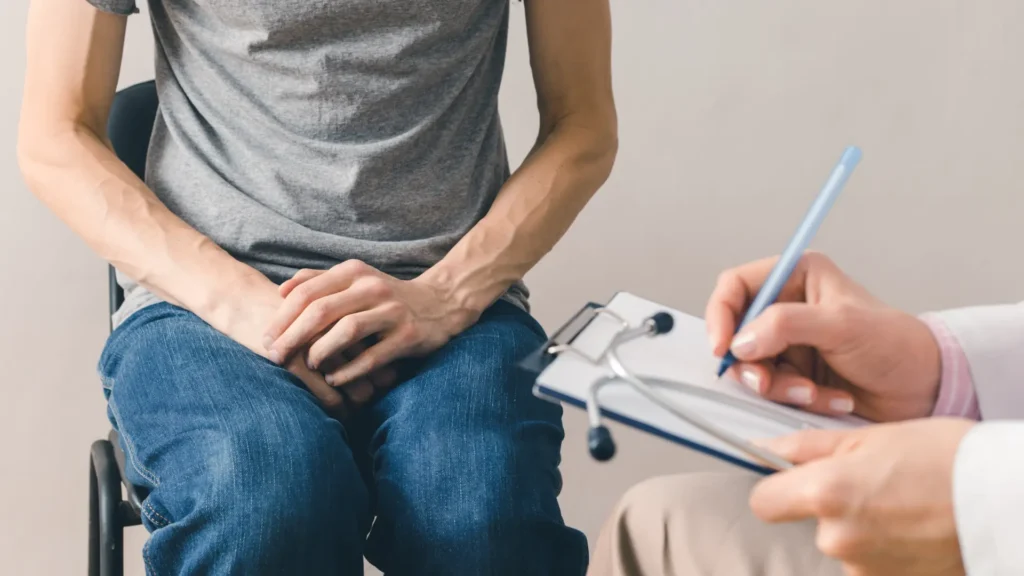
Common symptoms may include recurring pain, swelling, pus or fluid discharge, skin irritation, a small opening near the anus, or repeated abscesses in the same area. Symptoms can vary depending on the location and complexity of the fistula.
An established anal fistula usually has a persistent tract and may require a procedure for definitive treatment. Medicines can help manage infection or symptoms in some situations, but they generally do not remove the underlying fistula tract. A specialist can determine the most appropriate treatment option.
Laser treatment may be available for selected fistula cases depending on the clinic and the patient’s condition. A qualified specialist should evaluate the fistula tract and determine whether a laser procedure is appropriate.
Laser treatment is not automatically better for every patient. The appropriate procedure depends on the fistula’s anatomy, complexity, sphincter involvement, previous treatment, and other individual factors. A specialist can explain the potential benefits and limitations of each option.
Look for a qualified proctologist or anorectal specialist who can properly diagnose the fistula and explain suitable treatment options. The best treatment depends on the individual condition rather than on a single procedure being suitable for everyone.
Contact Sushrut Surgical Hospital for consultation and personalized guidance regarding Ayurvedic treatment for piles in Old Sangavi.
📍 Location: Old Sangavi, Pune
M.K.Chowk, above HDFC Bank, Kawade Nagar, Trimurti Colony, Pimple Gurav, Pimpri-Chinchwad, Pune, Maharashtra 411027
Ganpati chowk,Shitole Nagar, Old Sangavi,Pune - 411027.
Shop No. 19-20, Silver Central Mall, Jadhav Wadi, Moshi, Pune-412105
Eleifend senectus ornare hendrerit dis lacinia habitant mattis