
Qualification :- B.A.M.S
MMC No. – I-64912-A
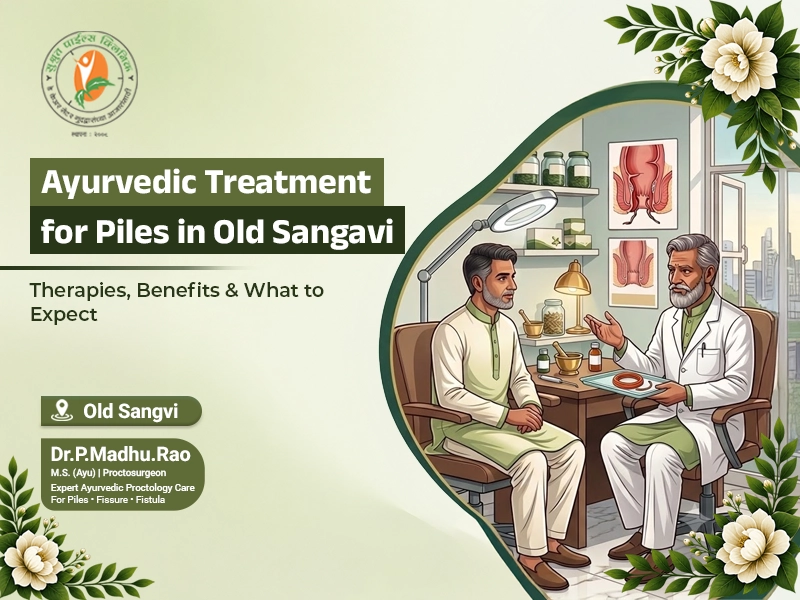
Piles, also known as hemorrhoids or Arsha in Ayurveda, are a common anorectal condition that can cause symptoms such as bleeding during bowel movements, itching, discomfort, swelling, pain, or a feeling of a lump around the anus. Constipation, straining during bowel movements, prolonged sitting, low dietary fiber, and irregular bowel habits may contribute to piles. While mild symptoms may sometimes improve with dietary and lifestyle changes, persistent or recurring symptoms should be properly evaluated. If you are looking for Ayurvedic treatment for piles in Old Sangavi, understanding the available Ayurvedic therapies, their potential role, and what to expect during treatment can help you make an informed decision. A consultation with a qualified Ayurvedic doctor can help assess your symptoms and determine whether Ayurvedic management is suitable for your condition.
Piles are generally classified into two types:
Common contributing factors include chronic constipation, repeated straining, inadequate dietary fibre, prolonged toilet sitting, pregnancy and age-related changes in supporting tissues.
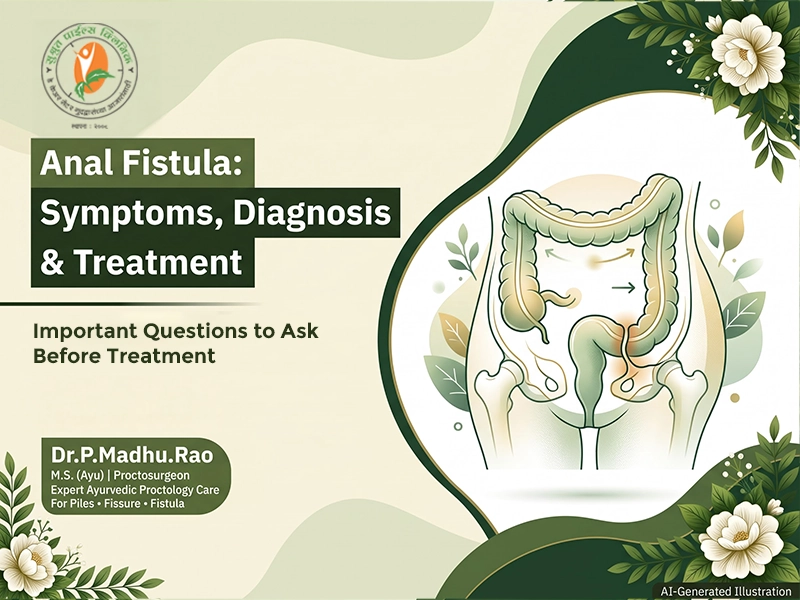
Rectal bleeding should not automatically be attributed to piles. Anal fissures, fistulas, inflammatory bowel disease and other intestinal conditions can produce similar symptoms. Medical assessment is important before selecting a treatment approach.
Ayurvedic literature describes piles as Arsha and discusses different management approaches according to the patient’s symptoms and clinical presentation.
These approaches may include:
The choice of approach should be based on an appropriate examination and individual health requirements. Evidence supporting different Ayurvedic interventions varies, and traditional descriptions should not be interpreted as proof of clinical effectiveness.
Bheshaj Chikitsa refers to medicinal management using Ayurvedic preparations. Depending on the clinical assessment, an Ayurvedic practitioner may consider medicines alongside dietary and lifestyle modifications.
The ingredients, formulation, dosage and quality of medicinal preparations are important considerations. Certain products may interact with prescribed medicines or contain potentially harmful ingredients, including undeclared substances.
Individuals should disclose all medicines and supplements they use. Prescribed medication should not be discontinued or modified without consulting the relevant healthcare professional.
Kshara Karma is an Ayurvedic procedure involving the controlled application of a specially prepared alkaline substance to selected tissue.
It may be considered in certain cases by an appropriately qualified practitioner with relevant procedural training. Its suitability depends on the type, location and severity of the haemorrhoids.
Possible complications include pain, bleeding, tissue injury, inflammation and infection. The potential benefits, limitations, alternatives and aftercare requirements should be discussed before the procedure.
Kshara Karma is not appropriate for every individual with piles, and its outcomes should not be assumed to be the same across different clinical situations.
Dietary and lifestyle modifications are important components of managing constipation and reducing straining during bowel movements.
These measures may include increasing fibre intake, maintaining appropriate hydration, regular physical activity and developing consistent bowel habits.
They can help relieve constipation-related symptoms, although they may not eliminate established or advanced haemorrhoids.
Ayurvedic management may involve several approaches aimed at addressing symptoms and supporting bowel health. Dietary changes and improved bowel habits can help reduce constipation and straining.
However, the clinical evidence supporting individual Ayurvedic medicines and procedures varies. The results depend on the underlying condition, the severity of haemorrhoids and the selected intervention.
Some individuals may require additional medical treatment, including office-based procedures or surgery. Ayurvedic approaches should not delay necessary investigations or referral when symptoms persist or worsen.
It is also important to consider possible medicine interactions, procedural complications and the quality of available clinical evidence before starting treatment.
The following practices can support regular bowel movements and reduce contributing factors:
These measures support bowel health but do not prevent every case of haemorrhoids.
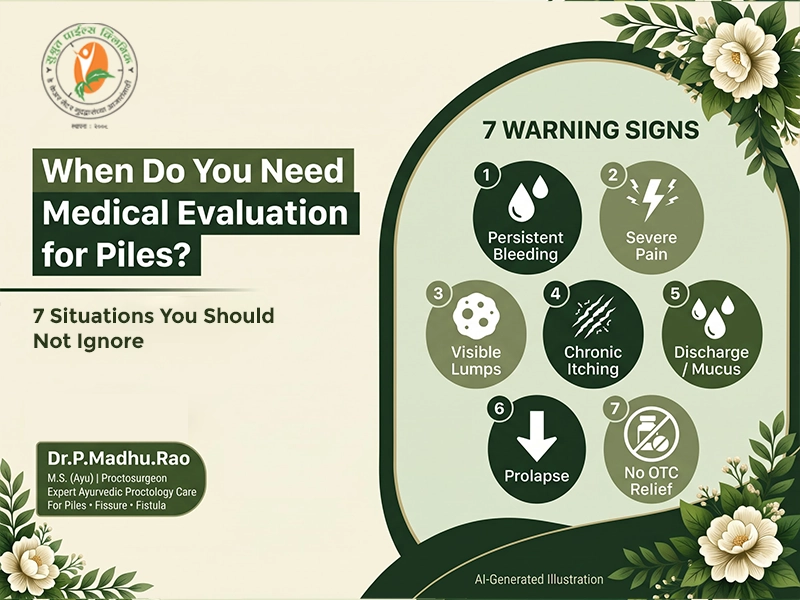
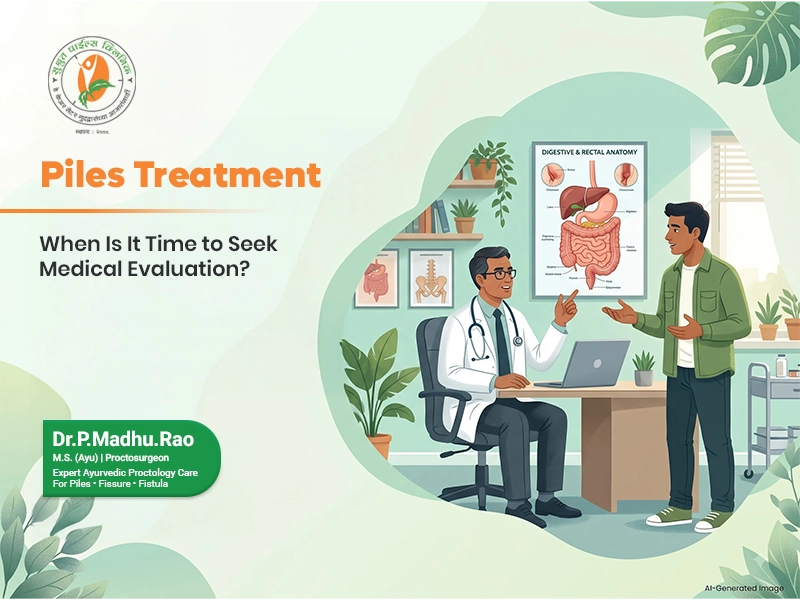
Medical assessment is recommended when symptoms include repeated rectal bleeding, persistent itching, swelling, pain or a lump around the anus.
A healthcare professional may review the medical history, examine the affected area and recommend additional investigations when necessary.
Prompt medical attention is important for heavy or ongoing bleeding, dizziness, fainting, severe anal pain, fever with swelling or black, tarry stools.
Treatment may involve conservative management, medicines, office-based procedures or surgery, depending on the diagnosis and severity.
Ayurvedic approaches to piles may involve Bheshaj Chikitsa, Kshara Karma and dietary and lifestyle modifications. The choice of management depends on the individual’s symptoms, clinical findings and overall health.
Understanding the available approaches, their potential benefits and limitations is important when considering treatment. Appropriate medical assessment, healthy bowel habits and timely attention to persistent symptoms remain essential aspects of haemorrhoid management.
Ayurvedic approaches may include medicinal preparations, dietary modifications and selected procedures. Their suitability and supporting clinical evidence vary. Individual assessment is important before choosing an approach.
No. Its suitability depends on the type and severity of haemorrhoids, the individual’s medical history and examination findings. Possible complications and alternative treatment options should be discussed beforehand.
Mild haemorrhoid symptoms may improve with dietary changes, adequate fluid intake and reduced straining. Persistent, recurrent or advanced symptoms may require additional medical treatment.
No. Rectal bleeding may also occur due to anal fissures, inflammatory bowel conditions and other gastrointestinal disorders. Repeated or unexplained bleeding should be medically evaluated.
This article is intended for general educational purposes only and does not replace professional medical advice, diagnosis or treatment. The information provided should not be used for self-diagnosis or independent treatment decisions. Ayurvedic medicines and procedures may have limitations, side effects or interactions with other treatments. Consult an appropriately
Contact Sushrut Surgical Hospital for consultation and personalized guidance regarding Ayurvedic treatment for piles in Old Sangavi.
📍 Location: Old Sangavi, Pune
M.K.Chowk, above HDFC Bank, Kawade Nagar, Trimurti Colony, Pimple Gurav, Pimpri-Chinchwad, Pune, Maharashtra 411027
Ganpati chowk,Shitole Nagar, Old Sangavi,Pune - 411027.
Shop No. 19-20, Silver Central Mall, Jadhav Wadi, Moshi, Pune-412105
Eleifend senectus ornare hendrerit dis lacinia habitant mattis