
Qualification :- B.A.M.S
MMC No. – I-64912-A

Anal itching, medically known as pruritus ani, is an uncomfortable itching or irritation around the skin of the anus. It may be accompanied by redness, burning, soreness, or an urge to scratch. The symptoms may occur during the day, after bowel movements, or sometimes at night.
Anal itching is a symptom rather than a disease. It can develop due to moisture, skin irritation, bowel-related problems, infections, or underlying anorectal conditions. Identifying the possible cause is important because treatment depends on the condition responsible for the irritation.
Several factors can contribute to itching around the anus. Common causes include:
Certain foods and drinks, such as coffee and spicy foods, may aggravate symptoms in some individuals. However, triggers vary from person to person.
The main symptom is an urge to scratch the skin around the anus. Other symptoms may include:
These symptoms do not establish a diagnosis. Bleeding, for example, may occur with piles or fissures but can also have other causes that need medical assessment.
Yes. Piles are swollen blood vessels in or around the anus. They may cause itching, swelling, discomfort, or bleeding. Internal piles can sometimes produce mucus, which may irritate the surrounding skin.
An anal fissure is a small tear in the lining of the anal canal. It commonly causes sharp pain during bowel movements and may produce bright red bleeding. Local irritation can also contribute to itching.
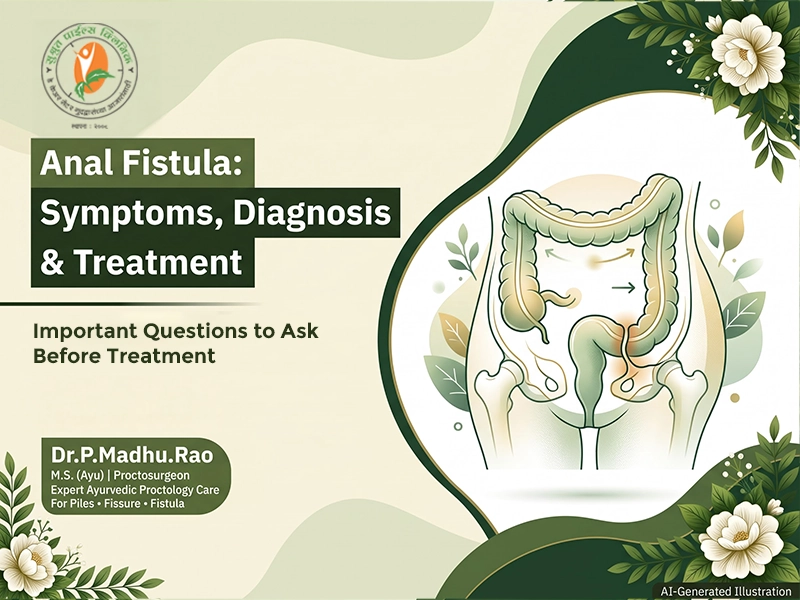
An anal fistula is an abnormal passage between the anal canal and the skin near the anus. It may cause recurring discharge, swelling, irritation, or discomfort.
Although these conditions can produce similar symptoms, they are different medical problems and require appropriate evaluation.
Diagnosis usually begins with a discussion of symptoms and medical history. A healthcare professional may ask about:
A physical examination may involve inspecting the skin around the anus for redness, swelling, rashes, cracks, or discharge.
Depending on the findings, a rectal examination or anoscopy (examination of the anal canal using a small instrument) may be recommended. Skin swabs or scrapings may be considered if an infection or skin condition is suspected. Not everyone requires additional investigations.
Treatment depends on the underlying cause.
Avoid prolonged or unsupervised use of steroid-containing creams, as they may thin sensitive skin or worsen certain infections. Treatment should be guided by a qualified healthcare professional.
For mild anal irritation, the following measures may help reduce discomfort:
If a particular food or drink appears to worsen symptoms, maintaining a food and symptom diary may help identify a possible association. Unnecessary dietary restrictions should be avoided.
Consult a qualified healthcare professional if anal itching persists, repeatedly returns, becomes severe, affects sleep, or does not improve with gentle self-care.
Medical assessment is particularly important if itching occurs with:
Heavy bleeding, severe anal pain accompanied by fever, or rapidly increasing swelling requires prompt medical assessment. Do not automatically assume that persistent itching is caused by piles or poor hygiene.
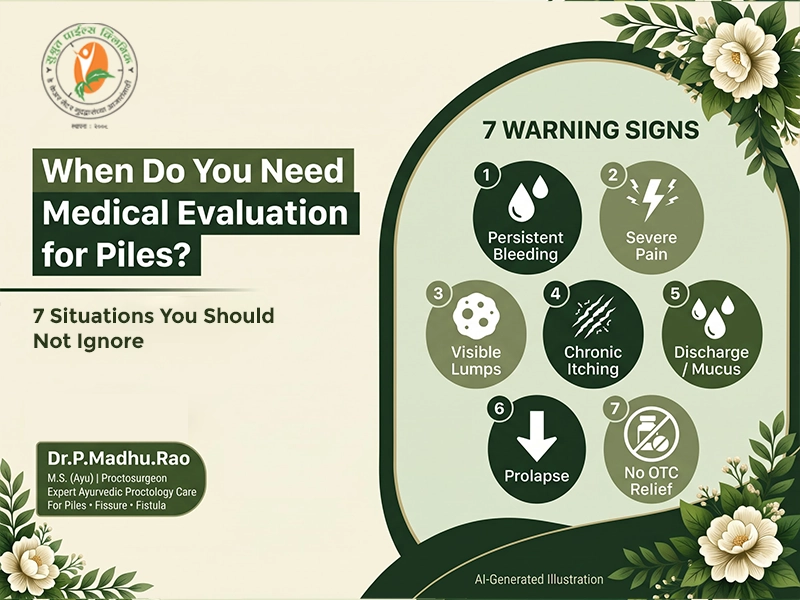

Common causes include excessive moisture, sweating, skin irritation, constipation, loose stools, piles, fissures, infections, and skin conditions such as eczema or dermatitis.
Yes. Piles may contribute to itching through swelling, mucus, or irritation. However, other conditions can cause similar symptoms, so examination may be necessary.
Gentle cleansing with lukewarm water, careful drying, avoiding fragranced products, wearing breathable underwear, and avoiding scratching may help reduce irritation.
Seek medical advice if itching persists, returns frequently, affects daily activities, or occurs with bleeding, pain, swelling, discharge, or fever.
This article is intended for general educational purposes only. It does not provide a medical diagnosis or personalised treatment advice. Anal itching can have several underlying causes, and symptoms alone may not identify the condition. Consult a qualified healthcare professional for appropriate assessment and guidance. Do not delay medical attention when concerning symptoms occur.
Contact Sushrut Surgical Hospital for consultation and personalized guidance for anal itching in Moshi.
📍 Location: Moshi, Pune
M.K.Chowk, above HDFC Bank, Kawade Nagar, Trimurti Colony, Pimple Gurav, Pimpri-Chinchwad, Pune, Maharashtra 411027
Ganpati chowk,Shitole Nagar, Old Sangavi,Pune - 411027.
Shop No. 19-20, Silver Central Mall, Jadhav Wadi, Moshi, Pune-412105
Eleifend senectus ornare hendrerit dis lacinia habitant mattis