

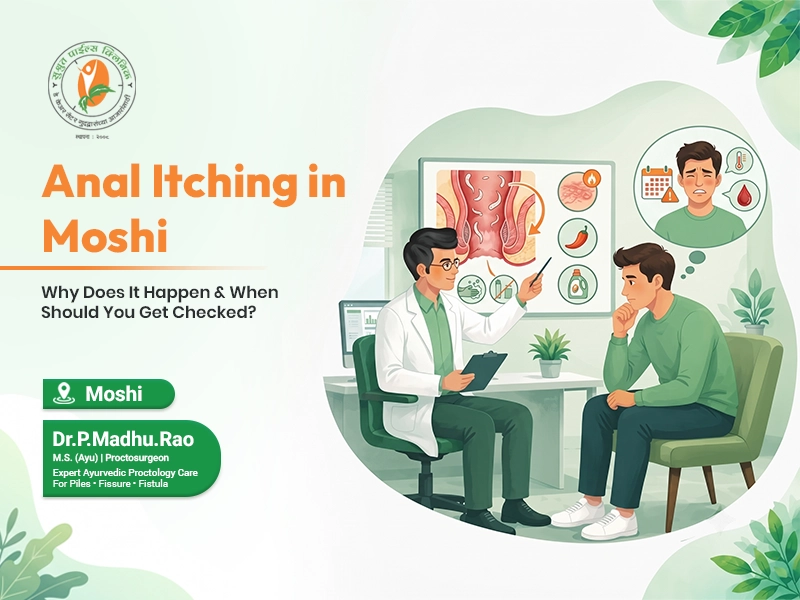
Anal itching is a common but often uncomfortable problem that can affect people of different ages. It may feel like mild irritation, burning, or an intense urge to scratch the skin around the anus. In some cases, the problem settles after improving hygiene or avoiding an irritating product, while persistent anal itching may indicate an underlying condition that needs medical evaluation. Common itchy anus causes can include excessive moisture, sweating, skin irritation, constipation, piles, anal fissure, infections, or certain skin conditions. If you are experiencing itching around the anus, itching near the anus, or repeated anal irritation, understanding the possible causes can help you decide when professional advice is appropriate. Patients looking for causes of anal itching in Moshi should remember that identifying the underlying cause is important because treatment depends on the condition responsible for the symptoms.
There are several possible causes of itching around the anus. Excess moisture caused by sweating, incomplete cleaning after bowel movements, or prolonged contact with stool can irritate the sensitive skin in the area. At the same time, excessive washing, frequent scrubbing, or using strongly fragranced soaps and wipes can remove the skin’s natural protective barrier and increase irritation.
Constipation and frequent loose stools can also contribute to anal irritation. Repeated wiping, straining during bowel movements, or frequent bowel movements may make the skin more sensitive. Some people may develop itching because of dermatitis, eczema, fungal infections, or other skin conditions. Certain foods and drinks may also aggravate symptoms in some individuals, although triggers vary from person to person.
Another important cause is an underlying anorectal condition. Piles, anal fissures, fistulas, and other conditions can produce itching or irritation along with other symptoms. Because the causes can overlap, persistent symptoms should not automatically be assumed to be caused by poor hygiene or piles. A proper assessment can help identify the actual cause.
Yes, piles can cause piles itching, particularly when swollen hemorrhoidal tissue produces mucus or when the area becomes irritated after bowel movements. Internal piles may sometimes cause bleeding or mucus discharge, while external piles can cause swelling, discomfort, or irritation around the anus.
However, not every case of anal itching is caused by hemorrhoids. A person may have itching due to skin irritation, infection, fissure, excessive moisture, or another condition. This is why treating itching with piles medication without knowing the underlying cause may not provide lasting relief.
If itching occurs together with rectal bleeding, a lump, swelling, pain, or a feeling of incomplete bowel evacuation, it is advisable to consult a doctor. A clinical evaluation can help determine whether piles are responsible or whether another anorectal or dermatological condition needs attention.
Yes. Skin irritation is one of the common reasons for itching near the anus. The skin in this region can become irritated by excessive moisture, sweating, tight clothing, harsh soaps, fragranced products, wet wipes, detergents, or repeated rubbing.
Over-cleaning can sometimes make the problem worse. Scrubbing the area repeatedly in an attempt to eliminate itching may damage the skin’s protective layer and increase dryness or sensitivity. Similarly, applying multiple creams, powders, oils, or home remedies without knowing the cause can sometimes worsen irritation.
For mild irritation, keeping the area clean and dry, wearing comfortable breathable clothing, and avoiding known irritants may help. If the itching continues despite these measures, professional evaluation is recommended to identify whether another condition is responsible.
Occasional itching may be temporary, but persistent anal itching deserves attention, especially when it continues for several days, repeatedly returns, interferes with sleep, or becomes severe enough to cause frequent scratching.
Repeated scratching can damage the skin and create small breaks that may further increase irritation or allow infection to develop. The cycle of itching and scratching can therefore make symptoms increasingly difficult to control.
Persistent symptoms may also indicate an underlying condition such as piles, anal fissure, infection, dermatitis, eczema, or another anorectal problem. A doctor can review the symptoms and examine the area to determine whether further testing or treatment is required.
Anal itching may occur by itself or together with other symptoms. Paying attention to accompanying symptoms can provide useful information about the possible cause.
Common associated symptoms may include:
The combination and duration of symptoms are important. For example, itching with a painful tear may suggest a fissure, while itching with a lump or bleeding may occur with piles. Discharge or a recurring opening near the anus may require evaluation for a fistula.
If symptoms are persistent or worsening, avoid assuming the cause based only on the symptom of itching.
If you have anal itching, avoid excessive scratching because it can damage the skin and increase irritation. Avoid repeatedly scrubbing the area or using strong soaps, antiseptics, perfumes, deodorants, or fragranced wipes around the anus unless specifically recommended by a healthcare professional.
It is also better to avoid applying multiple over-the-counter creams or home remedies without identifying the underlying cause. Some products may temporarily reduce itching but can irritate sensitive skin when used repeatedly.
Try to keep the area clean and dry without excessive washing. Wear breathable clothing and change out of sweaty clothes when necessary. If constipation or loose stools are contributing to irritation, addressing bowel habits may also help.
You should consider consulting a doctor if anal itching is persistent, repeatedly returns, becomes severe, affects sleep, or occurs along with bleeding, pain, swelling, a lump, discharge, or skin changes. Medical evaluation is particularly important when symptoms do not improve despite avoiding obvious irritants and maintaining appropriate hygiene.
A specialist can determine whether the itching is related to piles, fissure, fistula, skin irritation, infection, or another condition. If you are searching for a doctor for anal itching in Moshi, choose a healthcare professional who can evaluate both anorectal and skin-related causes when necessary.
The cause of anal itching is identified through a combination of symptom history and physical examination. Your doctor may ask about the duration of itching, bowel habits, hygiene practices, products used around the area, associated bleeding or pain, previous anorectal problems, and any changes in symptoms.
An examination of the skin around the anus and, when appropriate, the anorectal region can help identify conditions such as piles, fissure, dermatitis, infection, or other abnormalities. Additional tests may sometimes be recommended depending on the findings.
Because itching around the anus can have several causes, treatment should ideally begin after the likely cause has been identified rather than relying only on symptom suppression.
Treatment for persistent anal itching depends on the underlying cause. If skin irritation is responsible, avoiding irritating products and improving local skin care may be sufficient. If piles are contributing to symptoms, treatment may include dietary and lifestyle changes, medicines, or procedures depending on their severity.
If constipation is a contributing factor, increasing appropriate dietary fiber, maintaining adequate fluid intake, improving bowel habits, and avoiding excessive straining may help. Fissures, infections, dermatitis, and other conditions require treatment specific to the diagnosis.
For patients experiencing causes of anal itching in Moshi, a personalized evaluation can help identify the reason for the symptoms and guide appropriate treatment rather than repeatedly treating the itching alone.
There is no single treatment that is best for every case of anal itching. Treatment depends on whether the cause is piles, skin irritation, infection, fissure, constipation, dermatitis, or another condition. Identifying the underlying cause is the first step toward choosing appropriate treatment.
Anal itching may seem like a minor problem, but persistent or recurring symptoms should not be ignored. Repeated scratching can worsen skin irritation, while an underlying condition such as piles, fissure, infection, or another anorectal problem may remain untreated.
If you have persistent anal itching, itching that interferes with your daily activities or sleep, or itching accompanied by bleeding, pain, swelling, or discharge, consider getting evaluated by a qualified doctor. Early assessment can help identify the cause and provide appropriate treatment.
Anal itching can result from simple skin irritation or may be associated with piles, fissure, infection, or another anorectal condition. While basic hygiene and avoiding irritants may help mild symptoms, recurring or persistent itching deserves proper evaluation.
If you are experiencing itching near the anus, bleeding, pain, swelling, discharge, or repeated irritation, consulting a qualified doctor can help identify the underlying cause and guide you toward suitable treatment.
Sushrut Surgical Hospital, Moshi provides consultation and treatment guidance for piles, fissures, fistulas, and other anorectal conditions that may be associated with anal itching.



Common causes may include moisture, sweating, excessive cleaning, skin irritation, constipation, loose stools, piles, anal fissure, infections, dermatitis, and other skin conditions. Persistent symptoms should be evaluated to identify the underlying cause.
Yes, piles can cause itching and irritation, particularly when there is mucus, swelling, or irritation around the anal region. However, itching can have many other causes, so persistent symptoms should not automatically be attributed to piles.
Keep the area gently clean and dry, avoid excessive scrubbing and fragranced products, wear breathable clothing, and avoid scratching. If symptoms persist or occur with bleeding, pain, swelling, or discharge, seek professional medical advice.
You should consider seeing a doctor when itching continues, repeatedly returns, affects sleep, becomes severe, or occurs along with bleeding, pain, swelling, a lump, discharge, or significant skin changes.
Yes, treatment is available, but the appropriate treatment depends on the cause. Piles, fissure, infection, dermatitis, and other conditions require different management approaches. A proper examination can help determine the most appropriate treatment.
Contact Sushrut Surgical Hospital for consultation and personalized guidance for anal itching in Moshi.
📍 Location: Moshi, Pune
M.K.Chowk, above HDFC Bank, Kawade Nagar, Trimurti Colony, Pimple Gurav, Pimpri-Chinchwad, Pune, Maharashtra 411027
Ganpati chowk,Shitole Nagar, Old Sangavi,Pune - 411027.
Shop No. 19-20, Silver Central Mall, Jadhav Wadi, Moshi, Pune-412105
Eleifend senectus ornare hendrerit dis lacinia habitant mattis