
Qualification :- B.A.M.S
MMC No. – I-64912-A
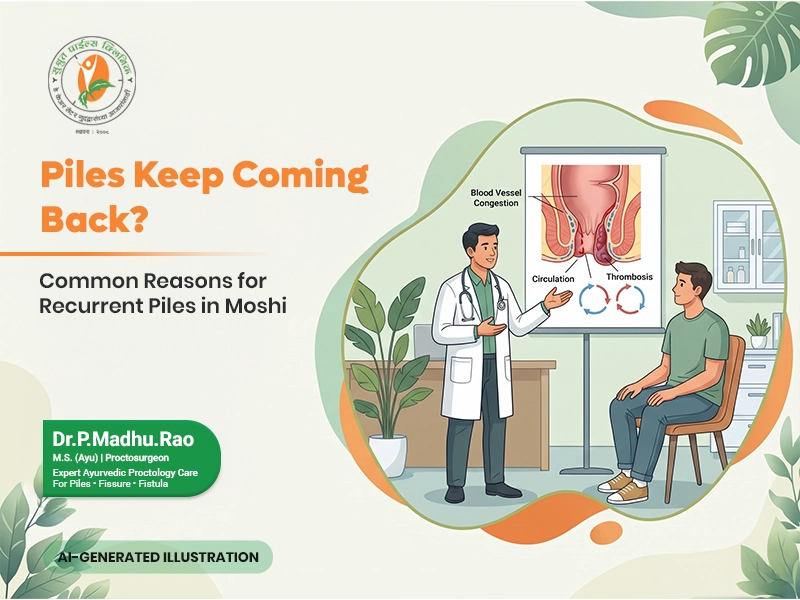
Piles, medically known as haemorrhoids, are swollen blood vessels located in and around the lower rectum and anus. They may cause symptoms such as bleeding during bowel movements, itching, discomfort, swelling and a lump near the anal opening. Although symptoms may improve with appropriate care, some individuals experience repeated episodes of piles.
Recurrent piles can develop due to ongoing constipation, straining during bowel movements, prolonged sitting on the toilet, dietary habits and other contributing factors. Understanding why piles return is important for identifying possible triggers and managing symptoms appropriately.
Recurrent piles refer to repeated episodes of haemorrhoid symptoms after an earlier episode has improved or settled. Symptoms may return when pressure on the blood vessels around the rectum and anus increases.
Haemorrhoids are broadly classified into two types:
The frequency and severity of symptoms vary depending on the type and extent of the condition.
Constipation is one of the common factors associated with recurrent piles. Passing hard or dry stools may require increased pressure and straining, which can place additional stress on the blood vessels around the anus.
When constipation occurs frequently, repeated straining may contribute to haemorrhoid symptoms.
Inadequate fibre intake, insufficient fluid consumption, reduced physical activity and certain medications can contribute to constipation.
Straining while passing stools increases pressure within the rectal and anal blood vessels. Repeated pressure may worsen existing haemorrhoids or contribute to recurring symptoms.
Some individuals continue straining even when they do not feel an immediate urge to pass stools. Establishing regular bowel habits and avoiding unnecessary pressure can help reduce this contributing factor.
Diet plays an important role in bowel health. A diet containing insufficient fibre may result in hard stools and irregular bowel movements.
Fibre helps increase stool bulk and supports regular bowel movements. Foods such as fruits, vegetables, whole grains, legumes and seeds are common dietary sources.
Gradually increasing fibre intake and maintaining adequate hydration may help reduce constipation-related straining.
Spending excessive time sitting on the toilet, particularly while using a mobile phone or reading, may increase pressure around the anal region.
Remaining seated for extended periods can contribute to discomfort and may aggravate existing haemorrhoid symptoms.
Avoiding unnecessary toilet time and responding to natural bowel urges can support healthier bowel habits.
Physical inactivity may affect bowel regularity and contribute to constipation in some individuals.
Regular physical activity, including walking and other moderate exercises, can support digestive function and help maintain regular bowel movements.
Individuals who spend long hours sitting at work may benefit from taking regular movement breaks.
Pregnancy can increase the likelihood of haemorrhoids because of hormonal changes, constipation and increased pressure on the pelvic blood vessels.
The growing uterus may place additional pressure on the veins in the lower abdominal and pelvic region. These changes can contribute to swelling around the rectum and anus.
Haemorrhoid symptoms may improve after childbirth, although some individuals may continue experiencing discomfort or bleeding and require assessment.
Irregular bowel routines, repeatedly delaying bowel movements and inadequate hydration may contribute to constipation.
Certain medications and medical conditions can also affect bowel function. Individuals experiencing frequent constipation or recurrent rectal bleeding should discuss these symptoms with a healthcare professional to identify possible underlying causes.
Yes, haemorrhoid symptoms can return after treatment. This may happen when the factors contributing to increased pressure around the anal region continue.
For example, persistent constipation, repeated straining and inadequate dietary fibre intake may contribute to recurring symptoms.
The possibility of recurrence also depends on the type and severity of haemorrhoids, the treatment performed and individual bowel habits.
It is important to understand that rectal bleeding is not always caused by piles. Anal fissures, inflammatory bowel conditions, colorectal polyps and other gastrointestinal disorders may produce similar symptoms. Therefore, repeated bleeding should be medically evaluated rather than automatically attributed to haemorrhoids.
A dental examination helps determine whether bleeding is caused by gingivitis, tartar buildup, periodontitis or another condition.
Depending on your symptoms, the dentist may:
Treatment depends on the examination findings. It may include improved home care, professional scaling or additional periodontal treatment.
Professional cleaning can remove plaque and tartar, but more extensive gum disease may require further treatment.
Repeated symptoms should be assessed to confirm whether haemorrhoids are responsible and to rule out other conditions.
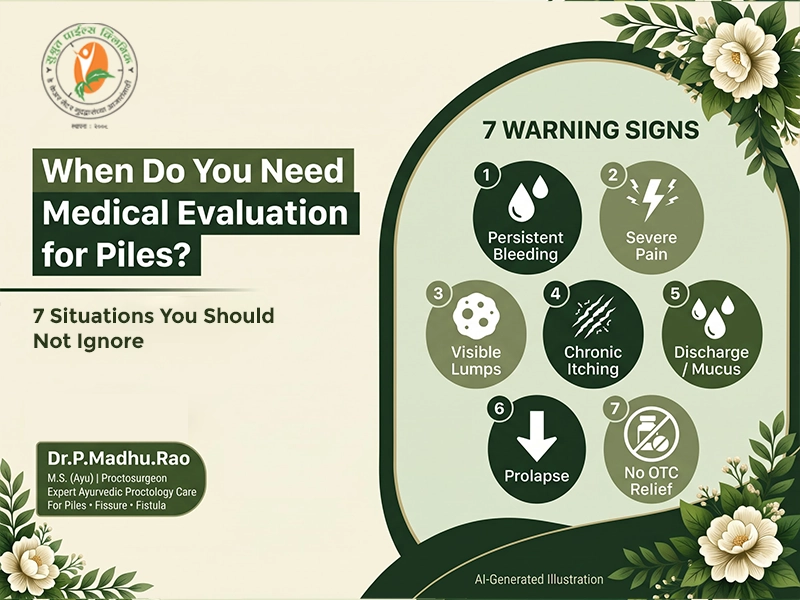
Medical evaluation is particularly important if you experience:
Heavy rectal bleeding, dizziness, fainting, severe abdominal pain or black, tarry stools require prompt medical attention.
Recurrent piles may be associated with chronic constipation, excessive straining, low dietary fibre intake, prolonged toilet sitting, physical inactivity and increased abdominal pressure. Although symptoms may improve with appropriate management, the contributing factors can lead to repeated episodes.
Understanding bowel habits, maintaining a fibre-rich diet, staying physically active and seeking medical assessment for persistent symptoms are important aspects of managing recurrent haemorrhoids. Proper evaluation also helps distinguish piles from other conditions that may cause rectal bleeding or anal discomfort
Piles may recur when contributing factors such as chronic constipation, repeated straining, low dietary fibre intake and prolonged toilet sitting continue. The possibility of recurrence also depends on the severity of haemorrhoids and the type of treatment received.
Yes. Constipation can lead to hard stools and increased straining during bowel movements. This may increase pressure on the blood vessels around the anus and contribute to recurring haemorrhoid symptoms. Adequate fibre intake, hydration and regular physical activity may help manage constipation.
Prolonged sitting, particularly on the toilet, may contribute to pressure and discomfort around the anal region. People with sedentary routines may benefit from regular movement breaks and avoiding unnecessary time on the toilet.
Medical evaluation is recommended when bleeding, pain, swelling or protruding lumps occur repeatedly. Rectal bleeding can also result from conditions such as anal fissures, inflammatory bowel disease and colorectal disorders. Heavy bleeding, dizziness, fainting or black stools require prompt medical attention.
This article is intended for general health education and informational purposes only. It should not be considered a substitute for professional medical advice, diagnosis or treatment. Symptoms associated with piles may also occur due to other medical conditions. Individuals experiencing persistent rectal bleeding, pain, swelling or changes in bowel habits should seek appropriate medical evaluation. Treatment decisions should be based on individual symptoms, clinical examination findings and advice from a qualified healthcare professional. Do not start, stop or modify prescribed medication without consulting a healthcare professional.
Sushrut Surgical Hospital, Moshi provides consultation and treatment guidance for recurrent piles, hemorrhoids, anal fissures, fistulas, and other anorectal conditions.
Contact Sushrut Surgical Hospital for consultation and personalized guidance for recurrent piles in Moshi.
📍 Location: Old Sangavi, Pune
M.K.Chowk, above HDFC Bank, Kawade Nagar, Trimurti Colony, Pimple Gurav, Pimpri-Chinchwad, Pune, Maharashtra 411027
Ganpati chowk,Shitole Nagar, Old Sangavi,Pune - 411027.
Shop No. 19-20, Silver Central Mall, Jadhav Wadi, Moshi, Pune-412105
Eleifend senectus ornare hendrerit dis lacinia habitant mattis