
Qualification :- B.A.M.S
MMC No. – I-64912-A
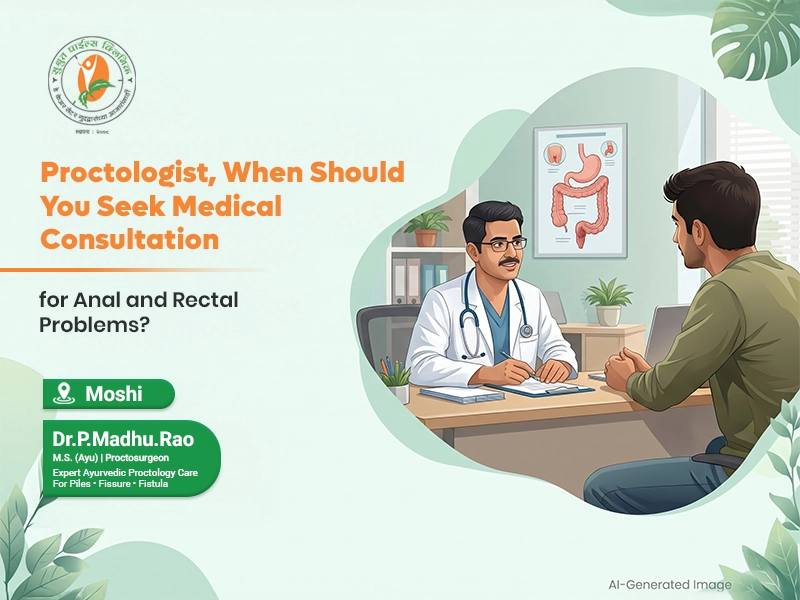
Pain during bowel movements, rectal bleeding, itching, swelling or discomfort around the anus can affect everyday activities and quality of life. Although these symptoms may initially appear minor, persistent or recurring problems should not be ignored.
A proctologist evaluates conditions affecting the anus and rectum, including piles, anal fissures and fistulas. Understanding these conditions, recognising warning signs and knowing when to seek medical attention can help patients make informed decisions about their health.
Not every symptom around the anal region is caused by piles. An accurate diagnosis is important before deciding on any treatment.
A proctologist focuses on conditions affecting the anal and rectal regions. Some common conditions include:
Piles (Haemorrhoids): Piles are enlarged blood vessels and supporting tissues around the anus or lower rectum. They may cause bleeding during bowel movements, itching, swelling, discomfort or a lump near the anal opening.
Anal Fissure: An anal fissure is a small tear in the lining of the anal canal. It commonly causes sharp pain during bowel movements, burning afterwards and sometimes bright red bleeding.
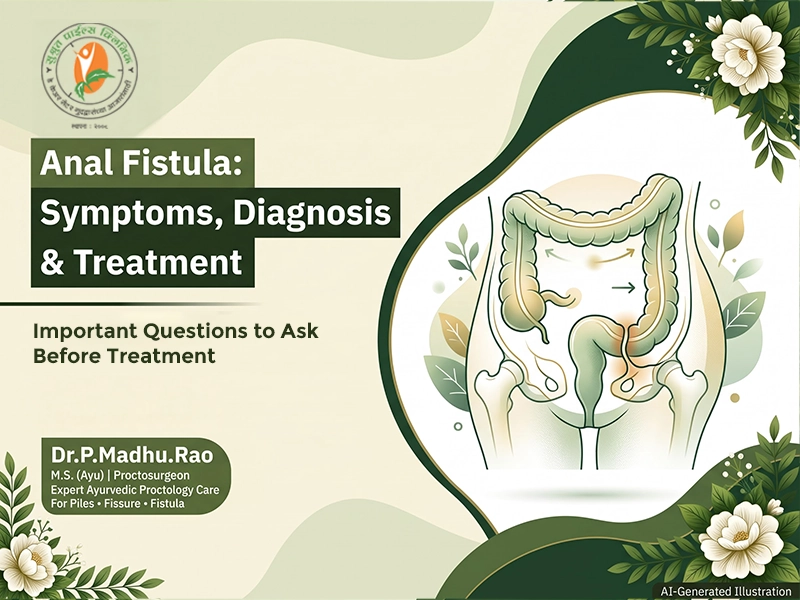
Anal Fistula: An anal fistula is an abnormal tunnel connecting the anal canal to the skin near the anus. It may develop following an infection or abscess and can cause recurring swelling, pain or discharge.
Other conditions that may require specialist assessment include anal abscesses, rectal prolapse, skin conditions and certain colorectal disorders.
Because several conditions produce similar symptoms, professional evaluation is important.
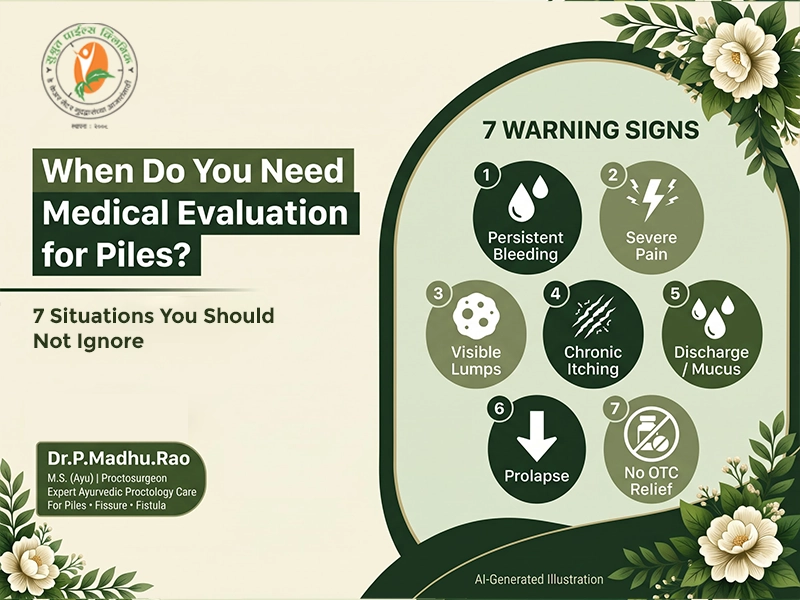
Blood on toilet paper, in the toilet bowl or coating the stool can have several causes.
Although piles and anal fissures are possible explanations, rectal bleeding should not automatically be attributed to these conditions.
Repeated bleeding requires medical evaluation to identify its source. Depending on the patient’s age, medical history and associated symptoms, additional investigations may be recommended.
Heavy or continuous bleeding, particularly when accompanied by dizziness or fainting, requires urgent medical attention.
Pain during bowel movements that continues afterwards may occur with anal fissures.
Hard stools and repeated straining can contribute to the development or worsening of fissures. Other conditions, including thrombosed external haemorrhoids and infections, may also cause anal pain.
Persistent or severe discomfort should be evaluated rather than repeatedly treated with home remedies without knowing the cause.
Itching and irritation around the anus can occur due to haemorrhoids, excessive moisture, skin irritation or other conditions.
A lump near the anal opening may be associated with external haemorrhoids, a blood clot, an abscess or other abnormalities.
Medical assessment is particularly important when swelling becomes painful, increases in size or repeatedly returns.
Discharge from an opening near the anus, especially when accompanied by recurring swelling or pain, may indicate an anal fistula.
An abscess, which is a collection of pus caused by infection, can also produce pain, swelling, redness and fever.
These symptoms should not be ignored. Fever accompanied by worsening anal pain or swelling requires prompt medical assessment.
Constipation involves difficulty passing stools, hard stools or infrequent bowel movements.
Repeated straining can aggravate haemorrhoids and contribute to fissure symptoms.
Persistent constipation may be related to dietary habits, inadequate fluid intake, medications or other medical conditions.
A healthcare professional can assess possible causes and discuss suitable bowel-management measures.
Recurring bleeding, pain, swelling or discharge after previous treatment should be reassessed.
The original diagnosis may need to be reviewed, particularly when symptoms change or do not improve as expected.
A medical evaluation can help determine whether the condition has persisted, returned or developed a complication.
Pain while sitting, discomfort during travel, difficulty passing stools or anxiety about bowel movements can interfere with daily routines.
Patients do not need to wait until symptoms become severe before seeking medical advice.
Early assessment can help identify the underlying problem and clarify appropriate management options.
Many people feel embarrassed discussing bowel movements or anal symptoms. However, these are common medical concerns, and providing accurate information helps healthcare professionals assess them appropriately.
During a consultation, the doctor may ask about:
Depending on the symptoms, the examination may include an external examination, digital rectal examination or anoscopy.
Anoscopy involves using a short instrument to examine the anal canal. Additional investigations, such as blood tests or colonoscopy, may be recommended when clinically necessary.
Not every patient requires every examination or investigation.
No. Treatment depends on the diagnosis, severity of symptoms, medical history and response to previous management.
Some patients may improve with conservative measures, including:
Other patients may benefit from office-based procedures or minimally invasive interventions.
Surgery may be considered for selected patients with advanced, persistent or complicated conditions.
The appropriate treatment should be determined after clinical assessment and discussion of available alternatives.
Treatment options vary according to the underlying condition.
For piles: Options may include conservative management, rubber band ligation, sclerotherapy and surgical procedures.
For anal fissures: Management may include dietary changes, prescribed topical medicines and, in selected cases, procedures or surgery.
For anal fistulas: Specialist assessment is important because treatment depends on the location and complexity of the fistula and its relationship to the anal sphincter muscles.
Laser-based techniques may be considered for selected conditions, but they are not automatically suitable or superior for every patient.
Every treatment has potential benefits, limitations and risks. Patients should understand these before making a decision.
Although all anorectal conditions cannot be prevented, certain lifestyle measures may help reduce constipation and straining.
Eat fibre-rich foods: Include fruits, vegetables, whole grains and pulses in your diet.
Stay hydrated: Drink sufficient water unless your healthcare professional has advised fluid restriction.
Avoid straining: Do not force bowel movements or spend excessive time sitting on the toilet.
Maintain physical activity: Regular movement can support normal bowel function.
Respond to bowel urges: Avoid repeatedly delaying bowel movements.
These measures may help reduce constipation-related symptoms, although they cannot guarantee that piles or other anorectal conditions will not develop.
A little preparation can make a medical consultation more productive.
Consider noting when your symptoms began, how frequently they occur and whether you experience bleeding, pain, itching, swelling or discharge.
It is also helpful to bring:
Prepare questions about your diagnosis, treatment alternatives, possible complications, expected recovery and follow-up requirements.
Discussing these concerns openly can help you understand your condition and participate in healthcare decisions.
Certain symptoms require prompt medical assessment rather than routine consultation.
Seek urgent medical attention if you experience:
Persistent rectal bleeding should always be evaluated because it can have causes other than haemorrhoids.
A proctologist evaluates a range of conditions affecting the anus and rectum, including piles, fissures and fistulas. Recognising symptoms and understanding when to seek medical attention can help prevent delays in identifying the underlying condition.
Not every patient requires surgery or a minimally invasive procedure. Treatment depends on the diagnosis, severity of symptoms and individual medical circumstances.
A proper medical assessment, clear communication and appropriate follow-up are important parts of managing anorectal health.

A proctologist evaluates conditions affecting the anus and rectum, including piles, anal fissures, anal fistulas, abscesses and rectal prolapse.
Consider medical consultation if you experience repeated rectal bleeding, persistent anal pain, itching, swelling, discharge or a lump near the anus. Heavy bleeding or severe pain requires urgent medical attention.
No. Many patients can be managed with dietary changes, improved bowel habits and appropriate medication. Procedures or surgery may be considered depending on the diagnosis and severity.
The doctor may discuss your symptoms, bowel habits, medical history and previous treatments. Depending on your condition, an external examination, digital rectal examination, anoscopy or additional investigations may be recommended.
This article is intended for general educational and informational purposes only. It does not constitute medical advice, diagnosis or treatment recommendations. Medical conditions and treatment outcomes can vary from person to person. Readers should consult a qualified healthcare professional for individual medical assessment and advice. Do not ignore or delay seeking medical attention based on information provided in this article.
Persistent rectal bleeding, anal pain, swelling, itching, or unusual discharge deserves appropriate medical attention. Although searching online can help you understand possible causes, it cannot replace a professional examination.
Address: Shop No. 19–20, Silver Central Mall, Jadhavwadi, Moshi, Pimpri-Chinchwad, Maharashtra 411062
M.K.Chowk, above HDFC Bank, Kawade Nagar, Trimurti Colony, Pimple Gurav, Pimpri-Chinchwad, Pune, Maharashtra 411027
Ganpati chowk,Shitole Nagar, Old Sangavi,Pune - 411027.
Shop No. 19-20, Silver Central Mall, Jadhav Wadi, Moshi, Pune-412105
Eleifend senectus ornare hendrerit dis lacinia habitant mattis