
Qualification :- B.A.M.S
MMC No. – I-64912-A
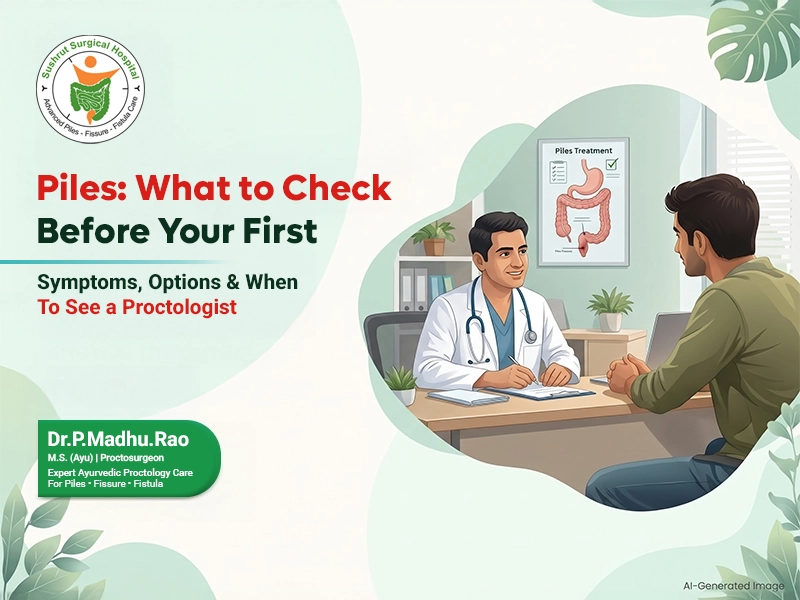
Piles, also known as hemorrhoids, are a common condition affecting the blood vessels and supporting tissues around the anus and lower rectum. Symptoms such as rectal bleeding, itching, swelling, discomfort, or a lump near the anus can cause concern, particularly when they occur repeatedly.
Understanding the possible causes of these symptoms and knowing what to expect during a medical consultation can help patients make informed decisions about their health. It is important to remember that not every symptom around the anal region is caused by piles. An appropriate medical assessment is necessary to identify the underlying condition.
Piles develop when the blood vessels and supporting tissues in the anal canal become enlarged or displaced.
They are generally classified into two main types:
Common symptoms include:
Symptoms can vary depending on the type and severity of the condition.
Several factors may contribute to the development or worsening of piles.
Constipation and straining: Passing hard stools and repeatedly straining during bowel movements can increase pressure on the blood vessels in the anal region.
Prolonged sitting: Spending extended periods sitting on the toilet may contribute to increased pressure in the anorectal area.
Low-fibre diet: Insufficient dietary fibre can contribute to constipation and hard stools.
Pregnancy: Hormonal changes, increased abdominal pressure and constipation during pregnancy may increase the likelihood of developing haemorrhoids.
Age-related changes: The supporting tissues around the rectum and anus may weaken with age.
Other contributing factors can include chronic diarrhoea, obesity and repeated straining during bowel movements.
Rectal bleeding, itching and anal discomfort are not always caused by piles. Other conditions, including anal fissures, fistulas, infections, inflammatory bowel disease and colorectal disorders, may produce similar symptoms.
A healthcare professional may begin by asking about:
Depending on the symptoms, the examination may include an external examination, a digital rectal examination or anoscopy. Anoscopy involves using a short instrument to examine the anal canal.
Additional investigations, including blood tests or colonoscopy, may be considered when clinically indicated, particularly when bleeding is unexplained or other concerning symptoms are present.
Treatment depends on the type of haemorrhoids, symptom severity, medical history and response to previous management.
Conservative management
Mild symptoms may improve with measures such as increasing dietary fibre, drinking adequate fluids, avoiding straining and maintaining regular bowel habits.
Medication
Healthcare professionals may recommend appropriate medicines or topical preparations to help manage symptoms such as itching, irritation or discomfort. These treatments may provide temporary relief but do not necessarily resolve the underlying haemorrhoids.
Office-based procedures
Certain internal haemorrhoids may be treated using procedures such as rubber band ligation, sclerotherapy or infrared coagulation. Suitability depends on the characteristics of the haemorrhoids and clinical findings.
Surgical treatment
Surgery may be considered for selected patients with advanced, persistent or complicated haemorrhoids. The appropriate procedure depends on individual circumstances and requires discussion of potential benefits, risks and recovery expectations.
No single treatment is suitable for everyone.
Laser-based techniques are among the treatment approaches used for selected patients with haemorrhoids.
The term laser treatment can refer to different techniques, and the procedure being proposed should be clearly explained before treatment.
Patients should understand that laser treatment is not automatically more appropriate than conventional procedures or surgery. Its suitability depends on the type and severity of haemorrhoids, the specific technique and the patient’s overall health.
Before considering any procedure, it is useful to discuss:
Treatment decisions should be based on clinical assessment rather than assumptions about a particular technique.
Recovery varies according to the treatment performed and the patient’s individual health.
General recovery guidance may include:
Some patients may experience temporary discomfort, swelling or changes in bowel movements following treatment.
Follow-up consultations help assess recovery, identify complications and determine whether further management is required.
Although piles cannot always be prevented, certain lifestyle measures may help reduce constipation and straining.
Increase dietary fibre: Include fruits, vegetables, whole grains, pulses and other fibre-rich foods in your diet.
Stay hydrated: Drink sufficient water throughout the day, unless your healthcare professional has advised fluid restriction.
Avoid straining: Try not to force bowel movements or spend excessive time sitting on the toilet.
Maintain physical activity: Regular movement can support normal bowel function.
Respond to bowel urges: Avoid repeatedly delaying bowel movements.
These measures support digestive health and may help reduce recurring symptoms, although they do not guarantee that haemorrhoids will not develop.
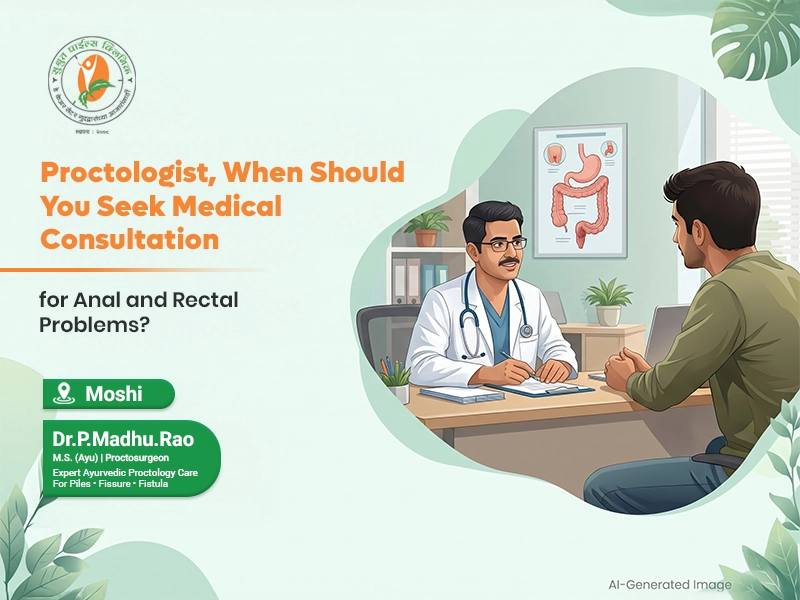
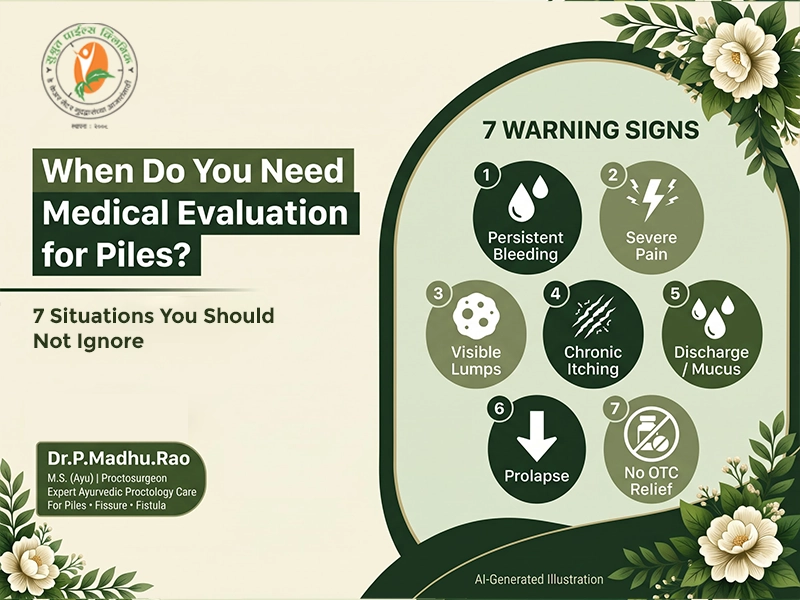
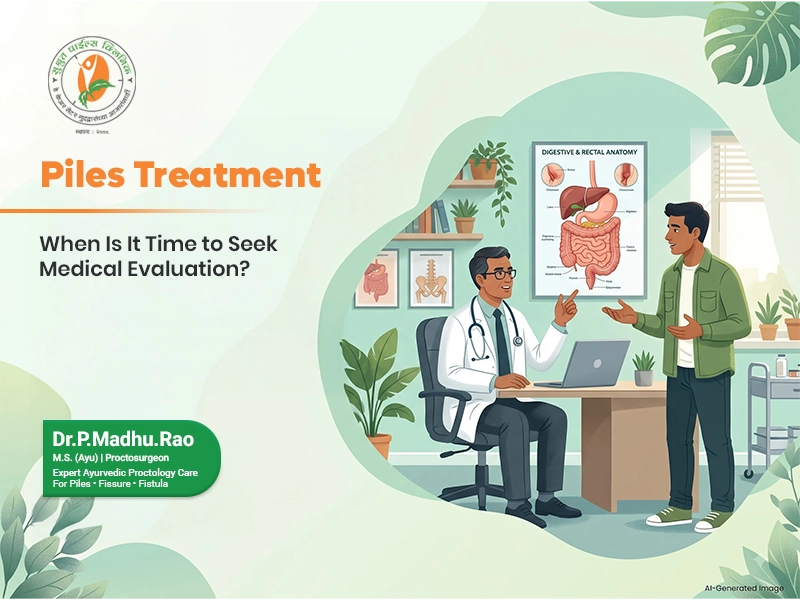
Medical evaluation is important if you experience repeated rectal bleeding, persistent anal discomfort, swelling, a protruding lump or symptoms that do not improve.
Seek urgent medical attention if you experience:
Rectal bleeding should not automatically be assumed to be caused by piles. A proper assessment can help identify its source and determine whether further investigations are necessary.
A little preparation can make a medical consultation more productive.
Consider noting when your symptoms began, how frequently they occur and whether you experience bleeding, pain, itching, or swelling.
You should also bring relevant previous medical reports, prescriptions, and details of medications you currently take.
Prepare questions about your diagnosis, available treatment options, potential risks, expected recovery, and follow-up requirements.
Discussing these concerns openly can help you understand your condition and participate in treatment decisions.
Understanding piles, their possible causes, symptoms, and treatment options is an important part of managing anorectal health. Although many cases can be managed with dietary and lifestyle changes, some may require medical procedures or surgery.
The first step is to establish an accurate diagnosis and understand the available options. Treatment suitability and recovery vary between individuals, so decisions should be made after consultation with a qualified healthcare professional.
This article is intended for general educational and informational purposes only. It does not constitute medical advice, diagnosis, or treatment recommendations. Medical conditions and treatment outcomes can vary from person to person. Readers should consult a qualified healthcare professional for individual medical assessment and advice. Do not ignore or delay seeking medical attention based on information provided in this article.
Common symptoms include bright red bleeding during bowel movements, itching, swelling, discomfort, and a lump near the anus. Symptoms vary depending on whether the hemorrhoids are internal or external.
Yes. Many cases, particularly those with mild symptoms, may improve with dietary fiber, adequate hydration, avoiding straining, and appropriate medical management. Some cases may require procedures or surgery depending on their severity.
No. Laser treatment is not suitable for everyone. Its suitability depends on the type and severity of hemorrhoids, the specific technique, and the patient’s medical condition. A medical assessment is necessary before considering any procedure.
You should seek medical evaluation if you experience repeated rectal bleeding, persistent pain, swelling, itching, or a protruding lump. Heavy bleeding, fainting, or severe pain requires urgent medical attention.
Looking for a piles doctor in Pimple Gurav? Before deciding on a treatment, get your symptoms evaluated and understand which options may be appropriate for your condition.
Sushrut Piles Clinic Pimple Gurav
Get your diagnosis first. Understand your options. Choose your treatment with confidence.
M.K.Chowk, above HDFC Bank, Kawade Nagar, Trimurti Colony, Pimple Gurav, Pimpri-Chinchwad, Pune, Maharashtra 411027
Ganpati chowk,Shitole Nagar, Old Sangavi,Pune - 411027.
Shop No. 19-20, Silver Central Mall, Jadhav Wadi, Moshi, Pune-412105
Eleifend senectus ornare hendrerit dis lacinia habitant mattis