

Qualification :- B.A.M.S
MMC No. – I-64912-A
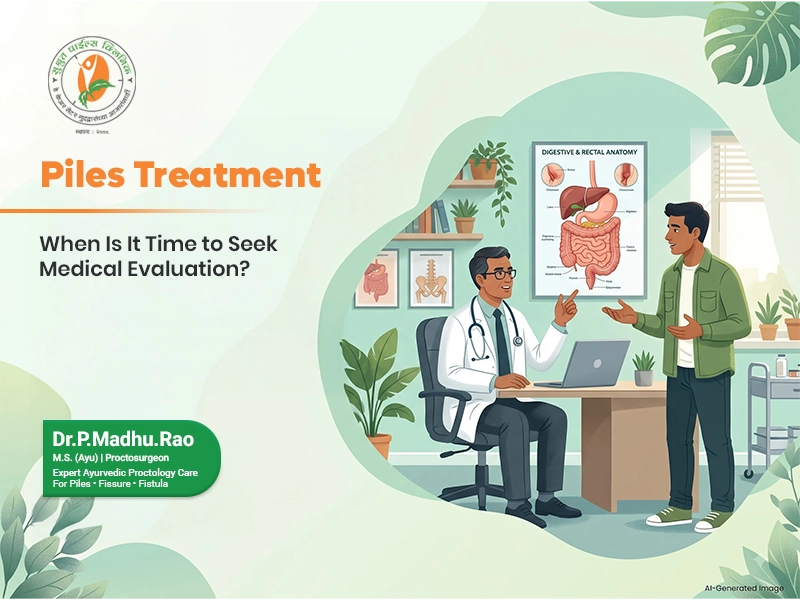
Piles, medically known as hemorrhoids, are swollen blood vessels in and around the anus and lower rectum. They are a common condition that may cause rectal bleeding, itching, swelling, discomfort, or a lump near the anal opening. Some people experience mild symptoms, while others may develop persistent discomfort that affects their daily activities.
Although mild hemorrhoid symptoms may improve with dietary changes and appropriate medical management, recurring or worsening symptoms should be evaluated by a qualified healthcare professional.
It is also important to remember that not every symptom around the anus is caused by piles. Conditions such as anal fissures, infections, abscesses, and other intestinal disorders can produce similar symptoms.
Understanding when medical evaluation is necessary can help identify the underlying cause and determine appropriate management.
Rectal bleeding is one of the commonly reported symptoms of hemorrhoids. It may appear as bright red blood on toilet paper, on the surface of stools, or in the toilet bowl.
However, rectal bleeding should never automatically be attributed to piles. Anal fissures, inflammatory bowel conditions, polyps, and colorectal cancer can also cause bleeding.
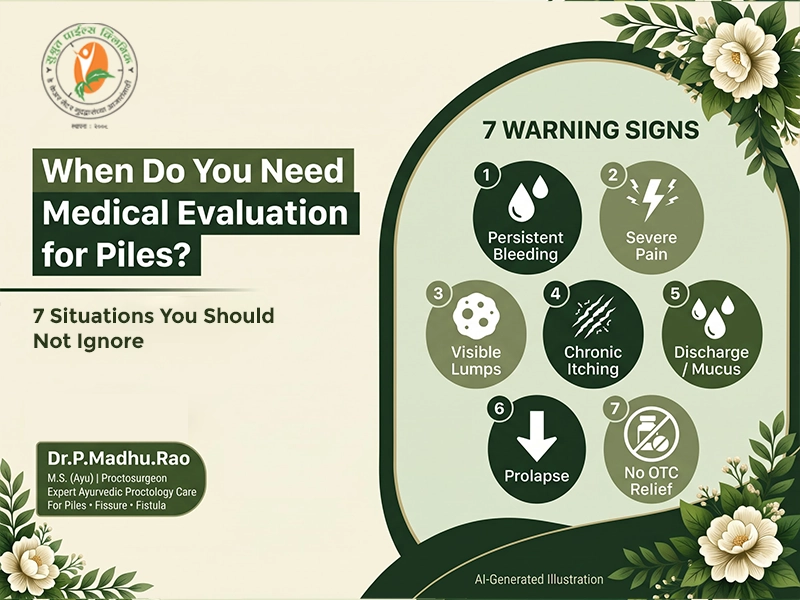
Medical evaluation is important if you experience:
Heavy bleeding, fainting, or significant dizziness requires immediate medical attention.
A healthcare professional can assess the bleeding and determine whether further investigations are necessary.
Hemorrhoids do not always cause severe pain. Persistent or intense anal pain may indicate another condition, such as an anal fissure, thrombosed external hemorrhoid, or perianal abscess.
Symptoms may include sharp pain during bowel movements, discomfort while sitting, or pain that continues after passing stools.
Seek medical assessment if:
Severe pain with fever or increasing swelling requires prompt assessment because an infection or abscess may be present.
A lump near the anal opening may be associated with external hemorrhoids, prolapsed internal hemorrhoids, or other anorectal conditions.
A thrombosed external hemorrhoid occurs when a blood clot develops inside an external hemorrhoid. It can cause sudden swelling and significant pain.
Medical evaluation is advisable if:
Avoid squeezing, cutting, or attempting to drain a lump yourself. An examination can help establish its cause.
Constipation and repeated straining during bowel movements can contribute to hemorrhoid symptoms. Spending excessive time on the toilet may also increase pressure around the anal region.
Improving bowel habits can help reduce discomfort and prevent further irritation.
Helpful measures include:
If constipation continues despite these changes, medical assessment may be necessary.
Constipation accompanied by unexplained weight loss, abdominal pain, rectal bleeding, or significant changes in bowel habits also deserves investigation.
Some people experience temporary improvement with medication and lifestyle changes but develop symptoms again.
Recurring symptoms may be related to persistent hemorrhoids, constipation, or an underlying condition that has not yet been identified.
Medical reassessment is advisable when:
Repeatedly using medication without confirming the cause may delay appropriate management.
Treatment decisions should consider the diagnosis, symptom severity, previous treatment, and individual medical history.
Internal hemorrhoids can sometimes protrude through the anal opening. This is called hemorrhoidal prolapse.
Depending on its severity, the protruding tissue may return inside naturally, require manual repositioning, or remain outside.
Symptoms may include:
A recurring or persistent prolapse should be medically assessed.
If protruding tissue becomes trapped outside, severely painful, or dark in colour, seek urgent medical attention.
Not every case of prolapsing hemorrhoids requires surgery. Management depends on the severity and clinical findings.
Fever, pus, persistent discharge, and recurring swelling are not typical symptoms to dismiss as routine piles.
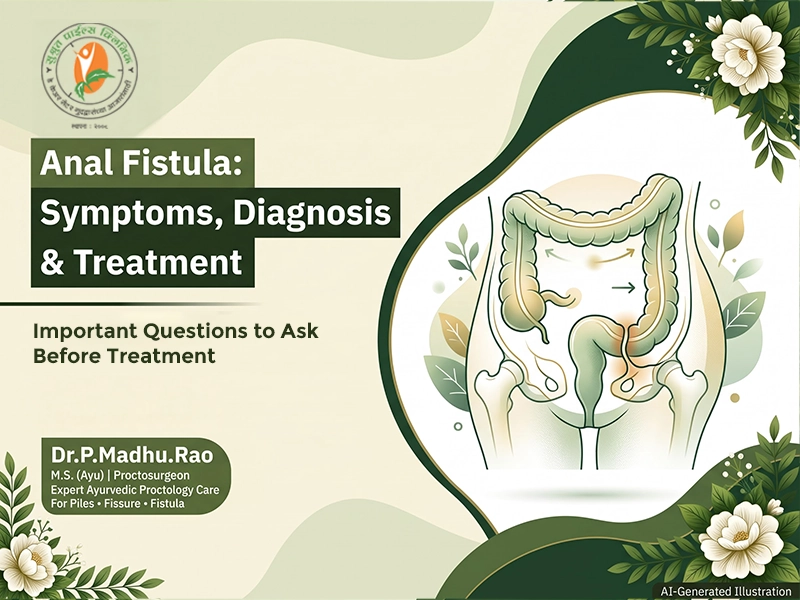
They may indicate an anal abscess, fistula, or another infection.
An anal abscess is a collection of pus near the anus, while an anal fistula is an abnormal passage that can develop between the anal canal and surrounding skin.
Seek prompt medical evaluation if you notice:
Fever accompanied by worsening pain or swelling requires urgent assessment because an abscess may need specific treatment.
An accurate diagnosis is important because several conditions can produce similar symptoms.
A medical assessment generally involves:
Not everyone requires every investigation. The appropriate assessment depends on individual circumstances.
Treatment depends on the type and severity of hemorrhoids and the symptoms experienced.
Lifestyle and dietary management: Increasing fibre intake, maintaining adequate hydration, avoiding straining, and following healthy bowel habits may improve mild symptoms.
Medication: Certain topical preparations, stool-softening medicines, or other medications may provide temporary symptom relief. Their suitability and duration of use should be discussed with a healthcare professional.
Office-based procedures: Some persistent internal hemorrhoids may be treated using procedures such as rubber band ligation, which restricts blood flow to the affected tissue.
Surgical treatment: Surgery may be considered for selected cases involving large, persistent, or complicated hemorrhoids when other approaches are unsuitable or unsuccessful.
Each treatment has potential benefits, limitations, and risks. Recovery and outcomes vary between individuals.
Mild hemorrhoid symptoms may improve with dietary changes, improved bowel habits, and appropriate medical management. However, some cases require office-based procedures or surgery.
No. Rectal bleeding can also result from anal fissures, inflammation, polyps, and other intestinal conditions. Persistent or unexplained bleeding should be medically evaluated.
Heavy rectal bleeding, fainting, severe anal pain, fever with swelling, or protruding tissue that becomes severely painful or discoloured requires urgent assessment.
Yes. Frequent straining and passing hard stools can increase pressure around the anal region and aggravate hemorrhoid symptoms. Adequate fibre, hydration, and healthy bowel habits may help.
This article is intended for general educational purposes only and does not constitute medical advice, diagnosis, or treatment recommendations. Symptoms and treatment requirements vary between individuals. Consult a qualified healthcare professional for an appropriate assessment. Do not delay urgent medical attention when experiencing severe symptoms.
Experiencing symptoms that may be related to piles or another anorectal condition? Do not ignore persistent or recurring symptoms.
Sushrut Piles Clinic — Old Sangavi, Pimpri-Chinchwad, Maharashtra
Seek an accurate diagnosis, understand your treatment options, and make an informed decision about your care.
Persistent symptoms deserve proper evaluation. The right treatment begins with the right diagnosis.
M.K.Chowk, above HDFC Bank, Kawade Nagar, Trimurti Colony, Pimple Gurav, Pimpri-Chinchwad, Pune, Maharashtra 411027
Ganpati chowk,Shitole Nagar, Old Sangavi,Pune - 411027.
Shop No. 19-20, Silver Central Mall, Jadhav Wadi, Moshi, Pune-412105
Eleifend senectus ornare hendrerit dis lacinia habitant mattis