
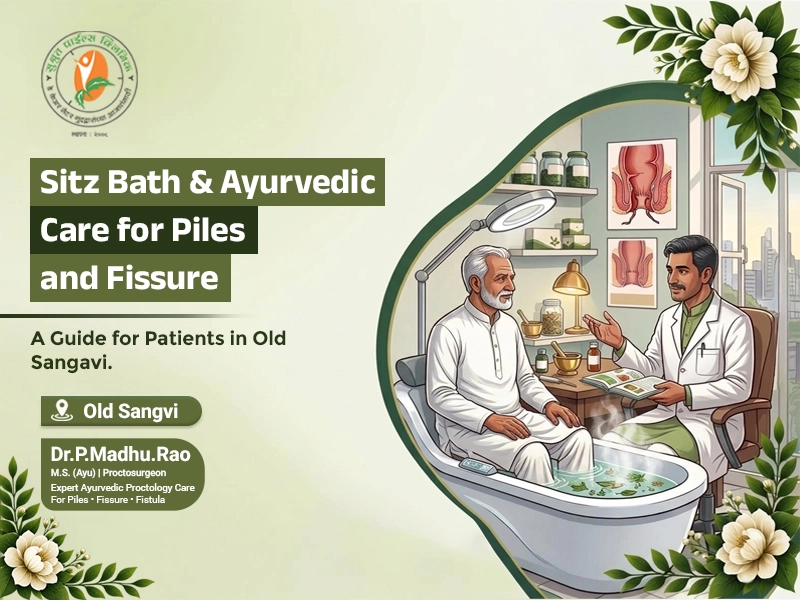
A sitz bath is a simple supportive therapy in which the lower part of the body, particularly the anal and perineal region, is soaked in warm water for a short period. It is commonly used to provide temporary relief from discomfort associated with conditions such as piles and anal fissures. In Ayurveda, a similar form of localized fomentation or bathing is known as Avagah Swed, and it may be included as part of supportive anorectal care when considered appropriate by a qualified practitioner. If you are looking for a sitz bath for piles and fissure in Old Sangavi, understanding how it works, its potential benefits, how to perform it safely, and when professional treatment is needed can help you manage symptoms more appropriately. A sitz bath can support comfort, but it should not be considered a substitute for proper diagnosis and treatment when symptoms persist.
A sitz bath involves sitting in warm water so that the anal and surrounding area is immersed while the rest of the body remains outside the water. The warmth may help relax the muscles around the anal region and provide temporary relief from irritation, discomfort, or pain. It can be particularly soothing after bowel movements when an anal fissure or piles causes local sensitivity.
In Ayurvedic care, Avagah Swed refers to a form of localized fomentation in which a particular body part is exposed to therapeutic warmth or immersed in an appropriate medium according to the treatment plan. Depending on the individual’s condition, an Ayurvedic practitioner may recommend a suitable form of local care. The exact method should be determined according to the patient’s symptoms and diagnosis rather than assuming that every Ayurvedic preparation is appropriate for everyone.
For patients searching for Avagah Swed in Old Sangavi, it is important to understand that supportive therapies are generally intended to complement appropriate management. A sitz bath may help with symptoms, but persistent bleeding, severe pain, swelling, discharge, or recurring problems should be evaluated by a qualified doctor.
A warm-water sitz bath may provide temporary piles pain relief by soothing irritated tissues around the anus. It may also help patients feel more comfortable after bowel movements, particularly when piles are associated with local irritation or discomfort. The benefit is generally supportive rather than curative, meaning that a sitz bath does not remove hemorrhoids or address every underlying cause of piles.
To take a basic sitz bath, use comfortably warm water rather than very hot water. Sit so that the anal region is adequately immersed for a short period, and avoid adding substances to the water unless they have been specifically recommended by a healthcare professional. Afterward, gently pat the area dry rather than rubbing the skin.
Sitz baths may be incorporated along with measures such as adequate dietary fiber, sufficient fluid intake, healthy bowel habits, and avoiding excessive straining. If symptoms continue despite these measures, a doctor should assess the condition. Persistent bleeding or prolapse, for example, may require treatment beyond supportive home care.
An anal fissure is a tear in the lining of the anus and can cause sharp pain or burning during and after bowel movements. A warm sitz bath may help relax the anal muscles and provide temporary soothing relief from discomfort. This can make bowel movements and the period immediately afterward more tolerable for some patients.
However, fissure care involves more than symptom relief. Preventing constipation, keeping stools soft, avoiding straining, maintaining adequate hydration, and following any prescribed treatment are important parts of management. Acute fissures may heal with appropriate conservative and medical care, while chronic or recurrent fissures may require further evaluation and treatment.
If pain or bleeding repeatedly returns, relying only on sitz baths may delay appropriate diagnosis. A qualified specialist can determine whether the symptoms are caused by a fissure or another anorectal condition and recommend treatment according to the patient’s individual situation.
A basic warm-water sitz bath can be performed using a clean bathtub or a suitable sitz-bath basin. The water should be comfortably warm and not hot enough to cause burning or skin irritation. Sit in the water for a limited period, ensuring that the affected area is immersed without causing discomfort.
After the bath, gently dry the area with a clean, soft towel. Keeping the area clean and dry afterward can help reduce irritation. Avoid using harsh soaps, antiseptics, essential oils, or other substances in the water unless recommended by a qualified healthcare professional.
Patients with significant pain, open wounds, infection, recent procedures, or unusual symptoms should ask their doctor whether a sitz bath is appropriate. If a warm bath causes increased pain, skin irritation, dizziness, or other concerning symptoms, stop the practice and seek medical advice.
The frequency of sitz baths depends on the condition and the individual’s symptoms. Some people may find a warm sitz bath helpful after bowel movements or once or twice during the day for temporary comfort. However, there is no universal schedule that is appropriate for every patient.
If a doctor or Ayurvedic practitioner recommends Avagah Swed in Old Sangavi, follow the specific instructions provided regarding the temperature, duration, frequency, and any additional therapeutic preparation. More frequent or prolonged bathing is not necessarily better and may irritate the skin if performed incorrectly.
A sitz bath should be viewed as supportive care rather than a replacement for treatment. If symptoms continue for several days, become worse, or repeatedly return, professional evaluation is recommended.
A sitz bath can provide temporary relief from pain, irritation, and discomfort, but it should not be considered a guaranteed cure for piles or anal fissures. Piles and fissures have different causes and may require different treatments depending on their type and severity. Supportive measures such as warm baths can be useful alongside appropriate medical or Ayurvedic care.
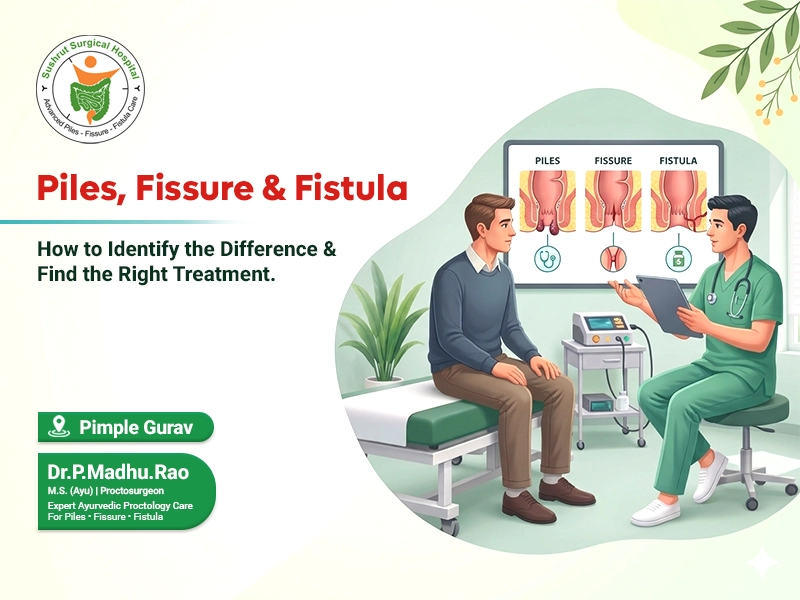
Anal pain, bleeding, swelling, itching, or discharge should not always be attributed to piles or fissure without proper evaluation. Similar symptoms can occur with anal fistula, infection, and other anorectal conditions. While a warm sitz bath may provide temporary comfort, persistent or recurring symptoms need appropriate medical assessment.
If you are searching for sitz bath for piles and fissure in Old Sangavi, consider discussing your symptoms with a qualified doctor or Ayurvedic practitioner. Proper diagnosis can help determine whether supportive care is enough or whether medicines, Ayurvedic therapies, minimally invasive treatment, or another procedure may be required.
Warm sitz baths can be a simple way to support comfort when dealing with piles or anal fissure symptoms. In Ayurveda, localized therapies such as Avagah Swed may also form part of an individualized care plan. However, supportive therapies should be combined with appropriate attention to bowel habits, diet, hydration, and professional treatment when required.
Sushrut Surgical Hospital, Old Sangavi provides consultation and treatment guidance for piles, fissure, fistula, and other anorectal conditions, helping patients understand suitable Ayurvedic and medical treatment options according to their individual needs.
A sitz bath is a warm-water soak in which the anal region is immersed for a short period. It may provide temporary relief from irritation, discomfort, and pain associated with piles but does not necessarily treat the underlying hemorrhoids.
Yes, a comfortably warm sitz bath may help soothe anal discomfort and relax the muscles around the anus. It can be used as supportive fissure care, along with measures to prevent constipation and any treatment recommended by a doctor.
Avagah Swed is an Ayurvedic localized fomentation or immersion-based therapy that may be used as supportive care in selected conditions. The specific method and preparation should be recommended by a qualified Ayurvedic practitioner according to the patient’s condition.
A sitz bath is generally used for a short period with comfortably warm water. The exact duration and frequency may vary according to the condition and professional advice. Avoid excessively hot water or prolonged soaking.
A sitz bath is generally a supportive measure rather than a replacement for diagnosis and appropriate treatment. Persistent bleeding, severe pain, prolapse, swelling, or discharge should be evaluated by a qualified doctor.
Sushrut Surgical Hospital, Old Sangavi provides consultation and treatment guidance for piles, fissure, fistula, and other anorectal conditions, helping patients understand suitable Ayurvedic and medical treatment options according to their individual needs.
Contact Sushrut Surgical Hospital for consultation and personalized guidance regarding sitz bath for piles and fissure in Old Sangavi.
📍 Location: Old Sangavi, Pune
M.K.Chowk, above HDFC Bank, Kawade Nagar, Trimurti Colony, Pimple Gurav, Pimpri-Chinchwad, Pune, Maharashtra 411027
Ganpati chowk,Shitole Nagar, Old Sangavi,Pune - 411027.
Shop No. 19-20, Silver Central Mall, Jadhav Wadi, Moshi, Pune-412105
Eleifend senectus ornare hendrerit dis lacinia habitant mattis