
Qualification :- B.A.M.S
MMC No. – I-64912-A

A sudden, painful swelling near the anus can be uncomfortable and concerning. You may notice a firm, tender lump around the anal opening, particularly after constipation, straining, or passing hard stools. One possible cause is a thrombosed pile, a condition in which a blood clot develops inside an external hemorrhoid, causing sudden swelling and pain.
A thrombosed hemorrhoid can make sitting, walking, and passing stools uncomfortable. However, not every painful lump near the anus is a thrombosed pile. An anal abscess, fissure, or infected skin condition can cause similar symptoms.
Understanding the causes, symptoms, and treatment options can help you recognise when medical attention is necessary. If you are looking for thrombosed pile treatment in Moshi, professional evaluation can help identify the actual cause and appropriate treatment.
A thrombosed pile, also called a thrombosed external hemorrhoid, occurs when a blood clot forms inside an external hemorrhoidal blood vessel near the anus.
The clot causes the affected area to become swollen, firm, and painful. The lump may appear bluish, purple, or dark because of the trapped blood.
Common symptoms include:
Symptoms can vary between individuals. Some thrombosed hemorrhoids gradually improve with conservative treatment, while others may require medical intervention.
A thrombosed hemorrhoid develops when a blood clot forms within an external hemorrhoidal vein. Certain factors may increase pressure around the anal region and contribute to hemorrhoidal problems.
Common contributing factors include:
Managing constipation and maintaining healthy bowel habits can help reduce factors that aggravate hemorrhoids.
Both conditions can cause painful swelling near the anus, but their causes and treatments are different.
Thrombosed Pile | Anal Abscess |
Blood clot inside an external hemorrhoid | Collection of pus due to infection |
Often appears suddenly | Pain and swelling may progressively worsen |
May appear bluish or purple | Often red and inflamed |
Usually causes localised tenderness | May cause warmth, fever, and discharge |
An anal abscess may require prompt drainage by a healthcare professional.
Important: Fever, chills, increasing redness, pus discharge, or rapidly worsening pain require urgent medical assessment. Do not assume every painful lump is piles.
Diagnosis generally begins with a discussion about symptoms, bowel habits, and medical history.
Your doctor may ask when the swelling appeared, whether the pain developed suddenly, whether you experience constipation, and whether there is bleeding or discharge.
A physical examination may help identify a thrombosed external hemorrhoid and distinguish it from an anal abscess, fissure, or another anorectal condition.
Additional investigations may be recommended if the diagnosis is unclear.
Treatment depends on the severity of symptoms, duration of the condition, and individual medical circumstances.
Some thrombosed external hemorrhoids improve gradually without a procedure. Management may include:
A doctor may recommend suitable pain-relieving medicines, topical preparations, or medication to manage constipation, depending on the patient’s condition.
Avoid prolonged self-medication, especially if pain or bleeding continues.
For selected patients experiencing significant pain, a doctor may discuss a procedure to remove the clot or affected hemorrhoidal tissue.
The suitability of this approach depends on the timing, examination findings, severity of symptoms, and potential benefits and risks.
If the swelling is caused by an abscess, treatment is different. An established abscess often requires drainage by a qualified healthcare professional.
Never attempt to squeeze, puncture, or drain a painful lump yourself.
Healthy bowel habits can help reduce hemorrhoidal irritation and the likelihood of recurring symptoms.
Consider these measures:
These habits support bowel health but cannot guarantee that hemorrhoids will never return.
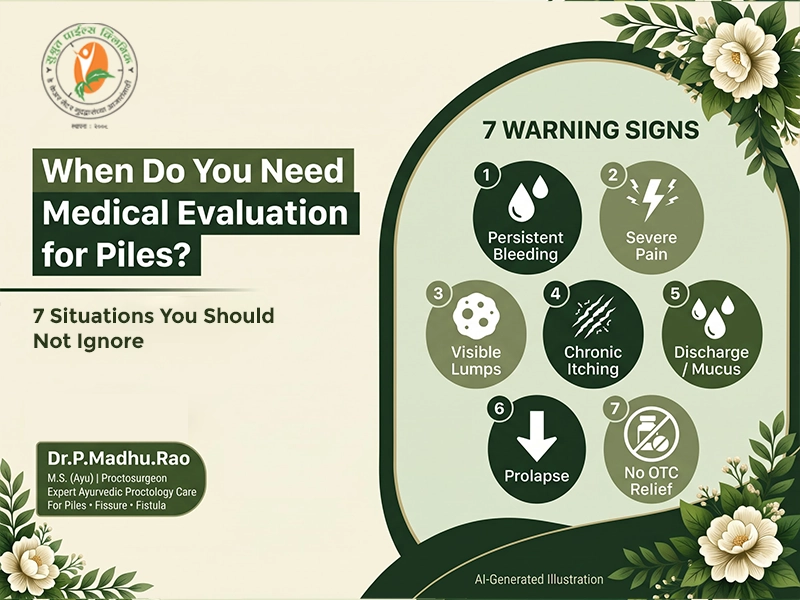
Consider medical evaluation if you experience:
Heavy bleeding, fainting, or severe systemic symptoms require emergency medical attention.
Rectal bleeding should never automatically be attributed to piles. Proper examination helps establish the underlying cause.
If you are searching for thrombosed pile treatment in Moshi, Sushrut Surgical Hospital provides consultation for patients experiencing piles and other anorectal concerns.
Patients can seek evaluation for:
Treatment recommendations depend on the diagnosis, severity of symptoms, and individual clinical requirements. Patients can discuss suitable treatment options, recovery guidance, and follow-up care.
The focus is on identifying the actual condition before recommending treatment rather than assuming every painful lump requires the same procedure.
A sudden painful swelling near the anus may be caused by a thrombosed pile, but it can also indicate an anal abscess or another anorectal condition.
If you experience severe pain, increasing swelling, fever, redness, or discharge, seek medical evaluation promptly.
Looking for thrombosed pile treatment in Moshi?
Consult Sushrut Surgical Hospital, Moshi to have your symptoms evaluated and understand the appropriate treatment options for your condition.
A thrombosed pile is an external hemorrhoid in which a blood clot forms inside the swollen blood vessel. It usually appears as a firm, tender lump near the anus and may have a bluish or purple colour. It can cause sudden swelling and significant pain.
A thrombosed pile generally causes a firm, painful lump that may appear bluish or purple. An anal abscess is an infection that may cause increasing pain, redness, warmth, swelling, fever, or pus discharge. A medical examination is necessary to distinguish between the two conditions.
Treatment depends on the severity of pain, duration of symptoms, and individual condition. Conservative measures, medicines, and sometimes a minor procedure may be recommended. If the swelling is caused by an anal abscess, drainage may be required instead.
Consult a doctor if you experience sudden anal swelling, a painful lump, persistent discomfort, or worsening symptoms. Seek prompt medical attention if you have severe pain, fever, chills, increasing redness, pus discharge, or significant bleeding. Early evaluation helps identify the cause and determine appropriate treatment.
This article is intended for general educational and informational purposes only. It does not constitute medical advice, diagnosis or treatment recommendations. Medical conditions and treatment outcomes can vary from person to person. Readers should consult a qualified healthcare professional for individual medical assessment and advice. Do not ignore or delay seeking medical attention based on information provided in this article.
Sushrut Surgical Hospital, Moshi provides consultation and treatment guidance for piles, thrombosed hemorrhoids, fissures, fistulas, abscesses, and other anorectal conditions.
Contact Sushrut Surgical Hospital for consultation and personalized guidance for a painful swelling near the anus in Moshi.
📍 Location: Moshi, Pune
M.K.Chowk, above HDFC Bank, Kawade Nagar, Trimurti Colony, Pimple Gurav, Pimpri-Chinchwad, Pune, Maharashtra 411027
Ganpati chowk,Shitole Nagar, Old Sangavi,Pune - 411027.
Shop No. 19-20, Silver Central Mall, Jadhav Wadi, Moshi, Pune-412105
Eleifend senectus ornare hendrerit dis lacinia habitant mattis