

Qualification :- B.A.M.S
MMC No. – I-64912-A
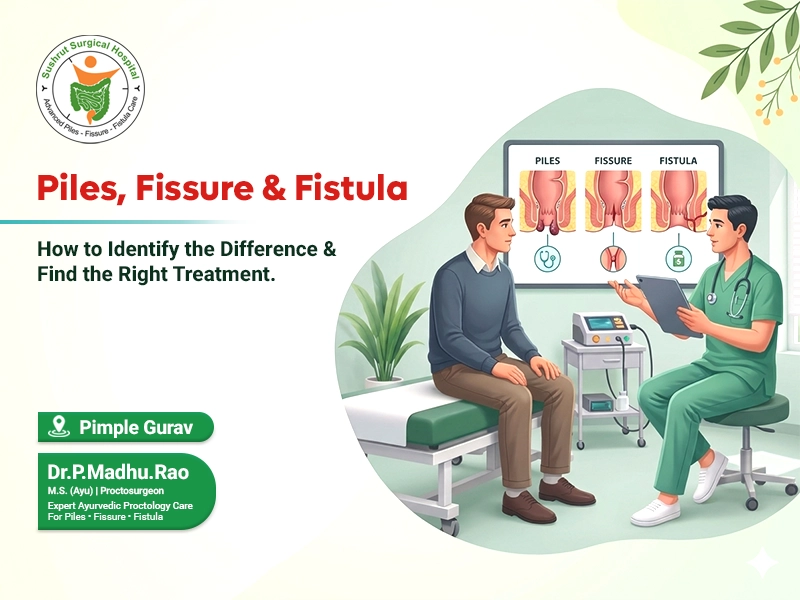
Piles, fissures, and fistulas are conditions that affect the anus and lower rectum. They may cause symptoms such as pain, bleeding, itching, swelling, or discharge. Since some symptoms are similar, it is not always possible to identify the exact condition without a medical examination.
Although these conditions affect the same area, they have different causes and require different approaches to management. Understanding their symptoms, diagnosis, and available treatment options can help people make informed decisions about their health.
Piles (Haemorrhoids)
Piles, medically known as haemorrhoids, are swollen vascular structures in the anal canal. They may develop internally, inside the rectum, or externally, under the skin around the anus.
Common symptoms include:
Constipation, repeated straining during bowel movements, and prolonged sitting on the toilet may contribute to symptoms.
Anal Fissure
An anal fissure is a small tear in the lining of the anal canal. It commonly develops when hard stools or repeated straining injure the delicate tissue.
Typical symptoms include:
Fissures may be acute (recent) or chronic (long-lasting).
Anal Fistula
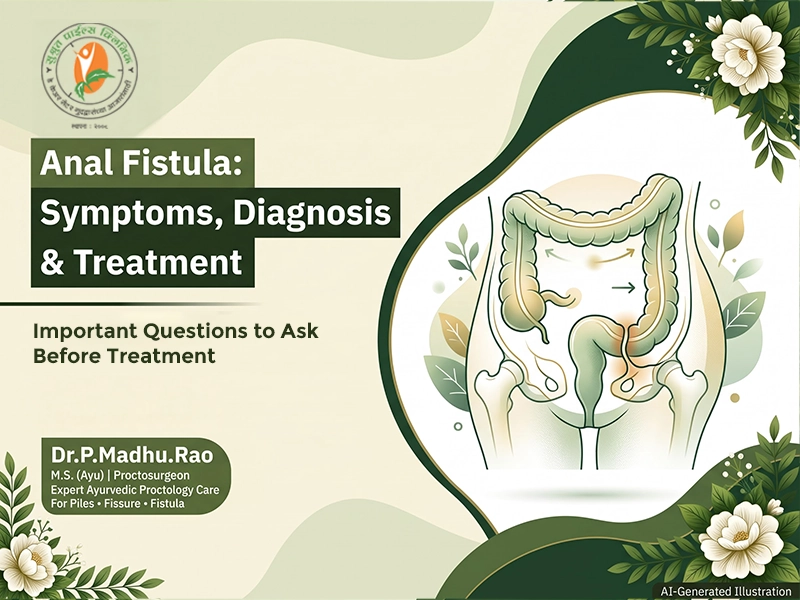
An anal fistula is an abnormal tunnel connecting the anal canal or rectum to the skin near the anus. It commonly develops following an infection that causes an anal abscess.
Possible symptoms include:
Unlike many uncomplicated piles and fissures, an established anal fistula generally requires specialist assessment and may need a procedure.
Although symptoms can overlap, some patterns may help distinguish the conditions.
|
Condition |
Common symptom pattern |
|
Piles |
Bleeding, itching, swelling or a lump |
|
Fissure |
Sharp pain during and after bowel movements |
|
Fistula |
Recurrent swelling, discharge or an opening near the anus |
These patterns are not sufficient to confirm a diagnosis. Rectal bleeding, for example, can have several causes, including conditions affecting the bowel. Medical assessment is important when symptoms are persistent, unexplained or recurring.
Diagnosis usually begins with a discussion of symptoms, medical history, bowel habits and previous episodes of infection or treatment.
A healthcare professional may perform an examination of the area around the anus. Depending on the symptoms, further assessment may include:
Not every patient requires all these investigations. The choice depends on the suspected condition and clinical findings.
Treatment depends on the type, severity and symptoms of haemorrhoids.
Mild cases may improve with dietary and lifestyle measures, including:
When symptoms continue, medical treatments may include prescribed medicines, rubber band ligation, injection-based procedures or surgery. The suitability of each option depends on the haemorrhoid type and severity.
Many recent fissures improve with measures that soften stools and reduce irritation during bowel movements.
Management may include dietary fibre, adequate hydration, warm sitz baths and medicines prescribed to reduce pain or relax the anal sphincter muscles.
Chronic fissures that do not respond to conservative management may require additional treatment. Options can include prescription ointments, botulinum toxin injections or surgery, such as lateral internal sphincterotomy, in selected cases.
Each procedure has potential benefits and risks. Surgical treatment, for example, requires consideration of possible effects on bowel control.
Treatment depends on the fistula’s location, complexity and involvement of the anal sphincter muscles, which help control bowel movements.
Possible approaches include:
Laser-assisted treatment may also be considered in selected patients. However, suitability, healing outcomes and recurrence rates vary. No single procedure is appropriate for every fistula.
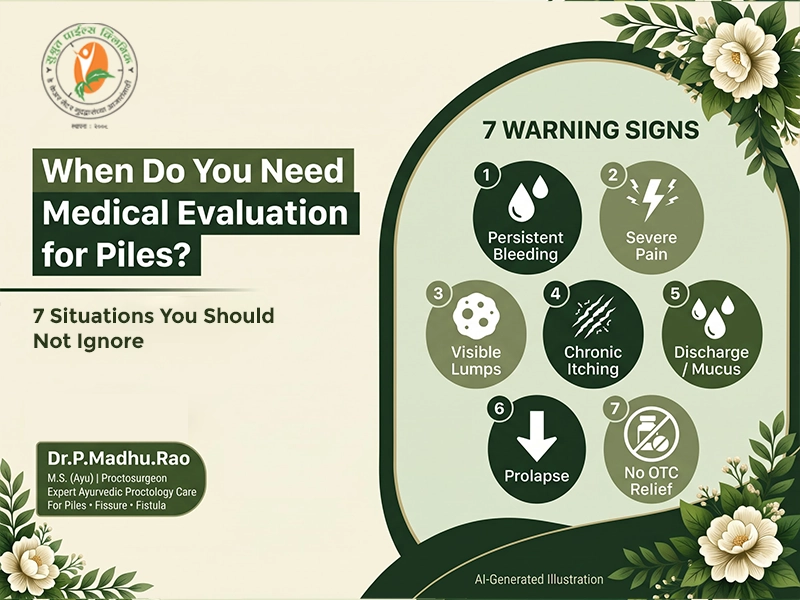
Medical evaluation is advisable if you experience repeated rectal bleeding, persistent anal pain, recurring swelling, discharge, or a lump around the anus.
Seek urgent medical attention if you develop fever, increasing pain, significant swelling, pus discharge with signs of infection, heavy bleeding, dizziness or fainting.
Rectal bleeding should not automatically be assumed to be caused by piles. Other digestive and bowel conditions may produce similar symptoms and need appropriate investigation.
Healthy bowel habits can help reduce irritation and lower the risk of constipation-related anorectal problems.
Some useful practices include:
These measures may help manage symptoms and reduce some contributing factors, but they cannot prevent every case of piles, fissures or fistulas.
Piles, fissures and fistulas are separate medical conditions, even though they can produce similar symptoms. Their management depends on the underlying diagnosis, severity, medical history and individual anatomy.
A treatment that may be suitable for one condition may not be appropriate for another. For example, dietary changes may help manage uncomplicated haemorrhoids, while an established fistula may require surgical assessment.
Understanding the diagnosis and discussing the potential benefits, risks, alternatives and recovery expectations of available treatments are important parts of informed healthcare decisions.

Piles involve swollen vascular tissues around the anus or rectum. A fissure is a tear in the anal lining, while a fistula is an abnormal tunnel connecting the anal canal or rectum to the surrounding skin. Each condition has different causes and treatment approaches.
Anal fissures commonly cause sharp or burning pain during bowel movements, which may continue afterward. However, severe pain can also occur with thrombosed external haemorrhoids or an anal abscess. Medical evaluation helps establish the cause.
An established anal fistula generally does not heal on its own. Most cases require surgical assessment, and treatment depends on the fistula’s location and complexity. The appropriate procedure varies between individuals.
Medical assessment is advisable for persistent bleeding, pain, swelling, recurring lumps or discharge. Fever, worsening pain, significant swelling, heavy bleeding, dizziness or fainting require urgent medical attention.
This article is intended for general educational purposes only and does not constitute medical advice, diagnosis, or treatment recommendations. Symptoms and treatment requirements vary between individuals. Consult a qualified healthcare professional for an appropriate examination and personalised guidance. Do not attempt to drain an abscess yourself or delay medical attention for worsening pain, swelling, or fever.
Piles, fissure, and fistula may have overlapping symptoms, but they are different conditions and may require different treatments. If you are experiencing persistent bleeding, pain, swelling, itching, discharge, or a recurring lump, getting evaluated early can help identify the cause and appropriate treatment options.
Sushrut Surgical Hospital provides consultation and treatment guidance for piles, fissure, fistula, and other anorectal conditions in Pimple Gurav.
Contact Sushrut Surgical Hospital for consultation and personalized guidance for piles, fissure, and fistula treatment in Pimple Gurav.
📍 Location: Pimple Gurav, Pune
M.K.Chowk, above HDFC Bank, Kawade Nagar, Trimurti Colony, Pimple Gurav, Pimpri-Chinchwad, Pune, Maharashtra 411027
Ganpati chowk,Shitole Nagar, Old Sangavi,Pune - 411027.
Shop No. 19-20, Silver Central Mall, Jadhav Wadi, Moshi, Pune-412105
Eleifend senectus ornare hendrerit dis lacinia habitant mattis