
Qualification :- B.A.M.S
MMC No. – I-64912-A

Piles (haemorrhoids) and anal fissures are common anorectal conditions that can cause pain, itching, irritation and bleeding during or after bowel movements. These symptoms may affect daily comfort and make routine activities uncomfortable.
A warm-water sitz bath is a simple supportive measure that may help soothe the anal region and temporarily relieve discomfort. In Ayurveda, a traditional therapeutic practice known as Avagah Swed also involves localized immersion in a suitable liquid medium.
Although both approaches involve localized bathing, their techniques, applications and therapeutic purposes may differ. Neither should replace an appropriate medical examination or prescribed treatment when necessary.
Understanding the role of sitz baths, their safe use and the available treatment options can help patients make informed decisions about anorectal health.
A sitz bath involves sitting in a shallow bath of comfortably warm water so that the anal and perineal regions are immersed. It is commonly recommended as supportive care for symptoms associated with haemorrhoids, anal fissures and certain anorectal procedures.
Warm water may soothe irritated tissues and provide temporary relief from discomfort. Some individuals may also experience relaxation of the anal sphincter muscles, which can help reduce discomfort following bowel movements.
A sitz bath is generally simple to perform at home using a clean bathtub or a specially designed basin.
However, it is important to understand that soaking does not remove haemorrhoids, heal every fissure or treat the underlying cause of anorectal symptoms.
Haemorrhoids are enlarged or displaced vascular structures within or around the anal canal. Depending on their location and severity, they may cause bleeding, itching, swelling, discomfort or tissue protrusion.
A comfortably warm sitz bath may help soothe the surrounding area and temporarily reduce irritation, particularly after passing stools.
Other supportive measures include:
These measures may help reduce factors that aggravate haemorrhoidal symptoms. Persistent bleeding, significant prolapse or recurring discomfort requires medical evaluation to determine whether additional treatment is necessary.
An anal fissure is a small tear in the lining of the anal canal. It commonly causes sharp pain during bowel movements, followed by burning or discomfort that may continue afterwards. Some individuals may also notice small amounts of bright-red blood.
A warm sitz bath may provide temporary comfort by soothing the affected area. Relaxation of the anal sphincter muscles may also help reduce discomfort associated with bowel movements.
Managing stool consistency is another important part of fissure care. Patients may benefit from adequate dietary fibre, appropriate fluid intake and avoiding straining.
Some fissures improve with conservative management, while persistent or chronic fissures may require prescribed topical medication or other interventions. Treatment should depend on the duration, severity and individual clinical findings.
A sitz bath can generally be performed using a clean bathtub or a suitable sitz-bath basin.
Follow these precautions:
Avoid adding antiseptics, harsh soaps, essential oils or unverified herbal preparations. These substances may irritate sensitive skin.
Stop the bath if you experience burning, increased discomfort, dizziness or skin irritation. If you have a recent surgical wound, suspected infection or another medical condition affecting the area, ask your healthcare professional whether a sitz bath is appropriate.
There is no universal schedule for everyone. Depending on symptoms and individual tolerance, some patients may use a sitz bath after bowel movements or once or twice daily.
The duration and frequency should be guided by comfort and professional advice. More frequent bathing does not necessarily provide greater benefits.
If symptoms persist, worsen or repeatedly return, medical assessment is important rather than relying exclusively on home care.
Avagah Swed is a traditional Ayurvedic therapeutic procedure involving localized immersion in a suitable liquid medium. It is associated with the broader Ayurvedic approach to localized therapeutic warmth.
Its application may vary according to the practitioner’s assessment, the individual’s condition and the traditional treatment method being followed.
Although Avagah Swed and a conventional sitz bath share certain features, they should not automatically be considered identical in technique, indications or therapeutic effects.
The effectiveness and safety of specific Ayurvedic preparations for piles and fissures should be evaluated separately from the potential soothing effects of plain warm water.
Patients should avoid experimenting with herbal mixtures, oils or medicinal liquids without professional guidance. Any Ayurvedic procedure should be recommended by an appropriately qualified practitioner within their legally permitted scope of practice.
Piles and fissures can produce overlapping symptoms, but they are different medical conditions. Assessment generally involves reviewing symptoms, bowel habits, medical history and the duration of discomfort.
A healthcare professional may examine the anal region and recommend further examination or investigations when clinically necessary, particularly if bleeding is persistent or unexplained.
Treatment depends on the diagnosis and severity.
For haemorrhoids: Management may include dietary modifications, fibre supplements, appropriate medication and office-based procedures such as rubber band ligation. Surgery may be considered for selected advanced or persistent cases.
For anal fissures: Treatment may involve stool-softening measures, prescribed topical medicines that help relax the anal sphincter and other interventions for persistent fissures. Surgery may be considered in selected chronic cases.
Not every patient requires a procedure. Treatment decisions should consider clinical findings, expected benefits, possible complications and available alternatives.
Not all anal pain or rectal bleeding is caused by piles or fissures. Other conditions, including infections, fistulas, inflammatory bowel disease and colorectal disorders, may produce similar symptoms.
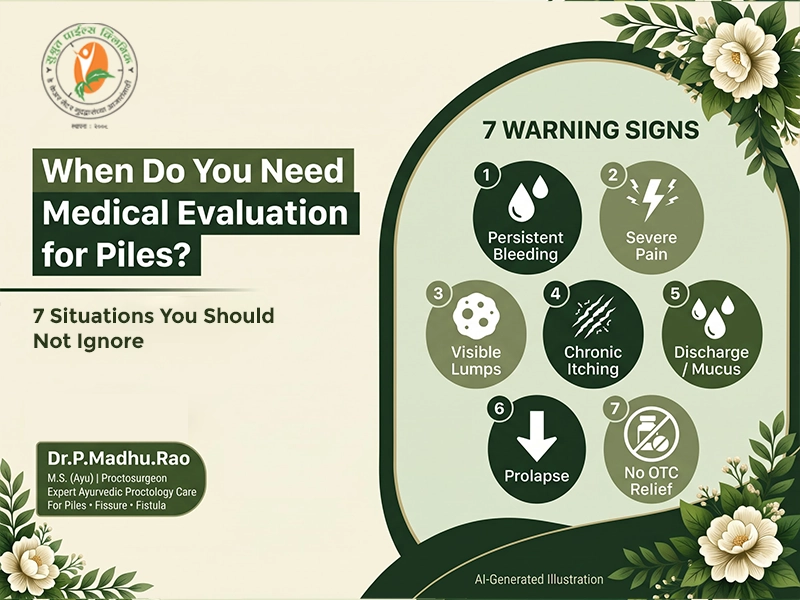
Seek medical evaluation if you experience:
Heavy or continuous bleeding, fainting, dizziness, severe abdominal pain or fever with increasing anal swelling requires urgent medical attention.
No. A warm sitz bath may temporarily relieve itching, irritation and discomfort, but it does not remove haemorrhoids or replace other treatment when required.
It may provide temporary relief by soothing the affected area and helping relax the anal sphincter. Stool management and appropriate medical treatment remain important.
A conventional sitz bath generally involves plain warm water for local comfort. Avagah Swed is a traditional Ayurvedic therapeutic procedure involving localized immersion in a suitable liquid medium. Their techniques and purposes may differ.
A sitz bath is generally used for a short period with comfortably warm water. The exact duration and frequency may vary according to the condition and professional advice. Avoid excessively hot water or prolonged soaking.
This article is intended for general educational and informational purposes only. It does not constitute medical advice, diagnosis or treatment recommendations. Sitz baths and traditional Ayurvedic practices may provide supportive care in selected situations, but their suitability and effects vary between individuals.
Consult an appropriately qualified healthcare professional for an individual assessment and guidance regarding treatment options. Do not delay medical attention for persistent rectal bleeding, severe pain, fever, unexplained weight loss or other concerning symptoms. Seek urgent care for heavy bleeding, fainting or severe symptoms.
Sushrut Surgical Hospital, Old Sangavi provides consultation and treatment guidance for piles, fissure, fistula, and other anorectal conditions, helping patients understand suitable Ayurvedic and medical treatment options according to their individual needs.
Contact Sushrut Surgical Hospital for consultation and personalized guidance regarding sitz bath for piles and fissure in Old Sangavi.
📍 Location: Old Sangavi, Pune
M.K.Chowk, above HDFC Bank, Kawade Nagar, Trimurti Colony, Pimple Gurav, Pimpri-Chinchwad, Pune, Maharashtra 411027
Ganpati chowk,Shitole Nagar, Old Sangavi,Pune - 411027.
Shop No. 19-20, Silver Central Mall, Jadhav Wadi, Moshi, Pune-412105
Eleifend senectus ornare hendrerit dis lacinia habitant mattis