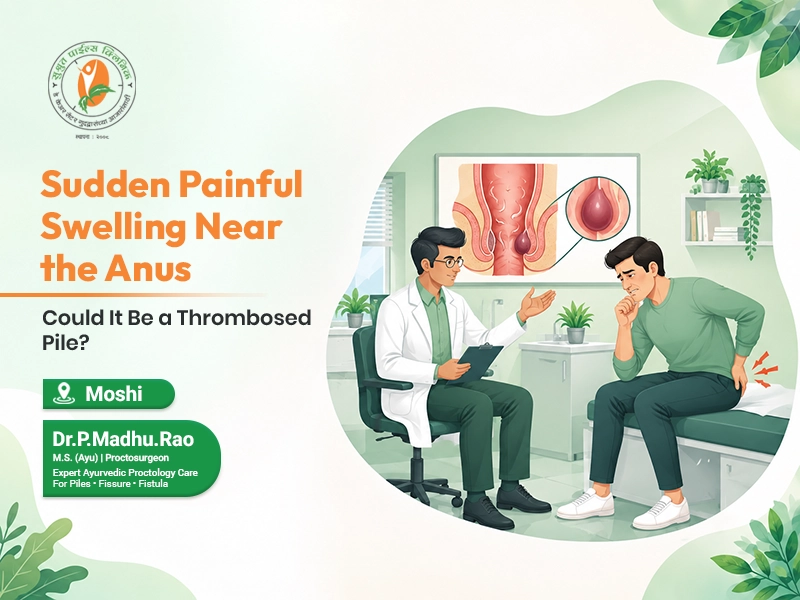


A painful swelling near the anus that appears suddenly can be uncomfortable and worrying. Some people may notice a firm or tender lump near the anal opening, especially after constipation, straining, or a bowel movement. One possible cause is a thrombosed pile, where a blood clot develops within an external hemorrhoid and causes sudden swelling and pain. However, a painful lump near the anus can also occur because of an anal abscess, fissure, infected skin lesion, or another anorectal condition. Understanding the difference is important because treatment varies depending on the cause. If you develop sudden anal swelling, severe pain, or a rapidly enlarging lump, particularly if you have fever or discharge, medical evaluation is advisable. Patients looking for treatment for a painful swelling near the anus in Moshi should seek professional assessment rather than assuming every painful lump is a hemorrhoid.
Several conditions can cause sudden swelling and pain around the anus. A thrombosed external hemorrhoid is one possibility. It may develop when a blood clot forms inside a swollen hemorrhoidal vein, resulting in a firm, painful lump.
An anal abscess is another important possibility. An abscess is a collection of pus caused by an infection and may cause increasing pain, swelling, warmth, redness, and sometimes fever. Unlike a typical hemorrhoid problem, an abscess can require prompt medical treatment.
Other causes can include an anal fissure accompanied by a skin tag or swelling, irritated skin, infected glands, or other local conditions. Because the symptoms can overlap, examining the area is often necessary to identify the actual cause of sudden anal swelling.
A thrombosed pile is an external hemorrhoid in which a blood clot forms within the swollen blood vessel. The clot can cause the hemorrhoid to become firm, swollen, and painful.
A thrombosed hemorrhoid may appear suddenly and can sometimes develop after constipation, straining, heavy physical exertion, or prolonged pressure in the anal region. The lump may have a bluish, purple, or dark appearance because of the trapped blood clot.
Not every external hemorrhoid becomes thrombosed, and not every painful anal lump is a thrombosed hemorrhoid. If a lump appears suddenly and causes significant discomfort, an examination can help distinguish it from an abscess or another condition.
A thrombosed hemorrhoid and an anal abscess can both cause a painful lump, but they are different conditions.
A thrombosed hemorrhoid is generally associated with a blood clot within an external hemorrhoidal vein. It often presents as a firm, tender lump and may have a bluish or purple color.
An anal abscess is an infection that produces a collection of pus. It may cause progressively worsening pain, swelling, redness, warmth, and sometimes fever or chills. Some abscesses may also cause drainage.
Because an abscess can require timely treatment, it is important not to assume that every painful lump near the anus is a hemorrhoid. A doctor can assess the symptoms and determine whether the swelling is consistent with a thrombosed hemorrhoid or requires treatment for an infection.
Sudden anal pain should receive prompt medical attention when it is severe, rapidly worsening, or accompanied by fever, chills, increasing redness or swelling, pus or fluid discharge, difficulty passing stool or urine, or significant bleeding.
These symptoms may indicate an abscess or another condition requiring timely treatment. People with weakened immunity or other significant medical conditions may also need a lower threshold for seeking medical care.
Even when the symptoms appear consistent with a swollen hemorrhoid, persistent or severe pain should be assessed rather than managed indefinitely at home. Early evaluation can help identify the cause and prevent complications.
Diagnosis generally starts with a discussion about when the swelling appeared, how quickly the pain developed, bowel habits, constipation, straining, previous hemorrhoid problems, and associated symptoms such as bleeding or discharge.
The doctor may examine the lump and surrounding anal skin to determine whether it looks like a thrombosed external hemorrhoid. The examination can also help identify signs of an abscess, fissure, infection, or another condition.
In many cases, the clinical examination provides important information about the likely cause. Additional investigations may be considered when the diagnosis is unclear or when the doctor suspects a deeper or more complicated problem.
Treatment depends on the cause, severity of symptoms, and how long the swelling has been present. For a thrombosed hemorrhoid, some cases may be managed conservatively with measures to reduce discomfort, improve bowel habits, and avoid further straining. Medicines may be recommended when appropriate.
In selected cases, particularly when a thrombosed external hemorrhoid causes significant symptoms, a doctor may discuss a procedure to address the clot. The timing and suitability of any procedure depend on individual circumstances.
An abscess requires a different approach because it is an infection and may need drainage. Therefore, choosing treatment based only on the appearance of a lump is not advisable.
If you are experiencing a painful swelling near the anus, professional evaluation can help determine whether the problem is a thrombosed pile, abscess, or another anorectal condition.
Reducing constipation and avoiding repeated straining can help reduce factors associated with hemorrhoid symptoms. Eating an appropriate amount of dietary fiber, drinking adequate fluids, staying physically active, and maintaining regular bowel habits can support easier bowel movements.
Avoid spending unnecessary time sitting on the toilet and avoid repeatedly forcing a bowel movement. If you frequently experience hemorrhoid swelling, bleeding, or painful lumps, it may be useful to discuss the pattern with a doctor.
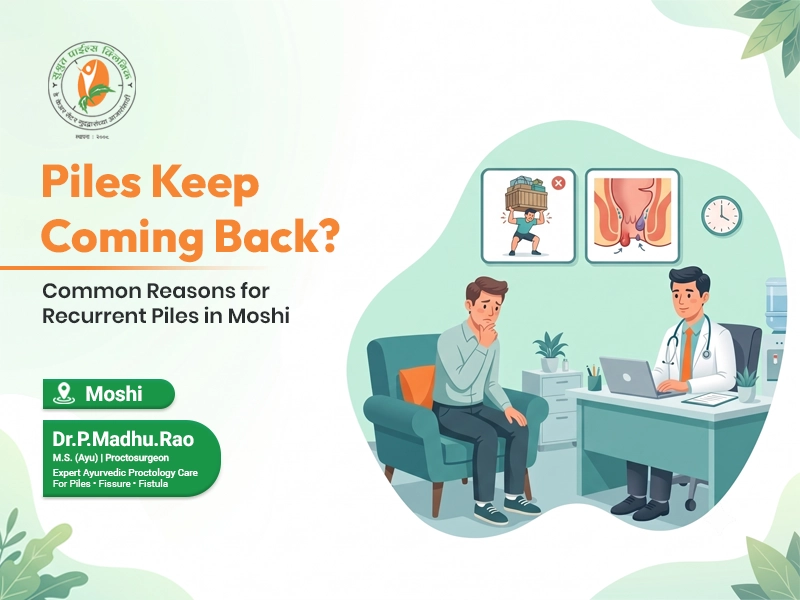
People with recurring hemorrhoids may benefit from evaluation to determine whether additional treatment is appropriate rather than repeatedly managing individual flare-ups.
You should consider consulting a doctor in Moshi if you develop a painful swelling near the anus, particularly when the lump appears suddenly, causes significant pain, continues to enlarge, or does not improve.
Medical evaluation is especially important if the swelling is accompanied by fever, pus or discharge, significant bleeding, or worsening pain. These symptoms may indicate an abscess or another condition requiring timely treatment.
If you are searching for a piles doctor in Moshi, choose a qualified professional who can distinguish thrombosed hemorrhoids from other causes of anal swelling and explain the appropriate treatment options.
A sudden painful lump around the anus can sometimes be a thrombosed hemorrhoid, but it can also be an anal abscess or another condition. Because these problems can look similar, trying to diagnose the lump yourself may delay appropriate treatment.
If you develop sudden anal swelling, severe pain, a firm lump, fever, redness, or discharge, consider getting evaluated promptly. Early assessment can help identify the cause and determine whether conservative treatment, medicines, or a procedure is appropriate.
A painful swelling near the anus can be caused by a thrombosed hemorrhoid, but it may also indicate an abscess or another anorectal condition. Sudden onset, severe pain, increasing swelling, fever, or discharge should not be ignored.
If you notice a painful piles lump, thrombosed pile, or another unexplained swelling, professional assessment can help identify the cause and guide appropriate treatment.
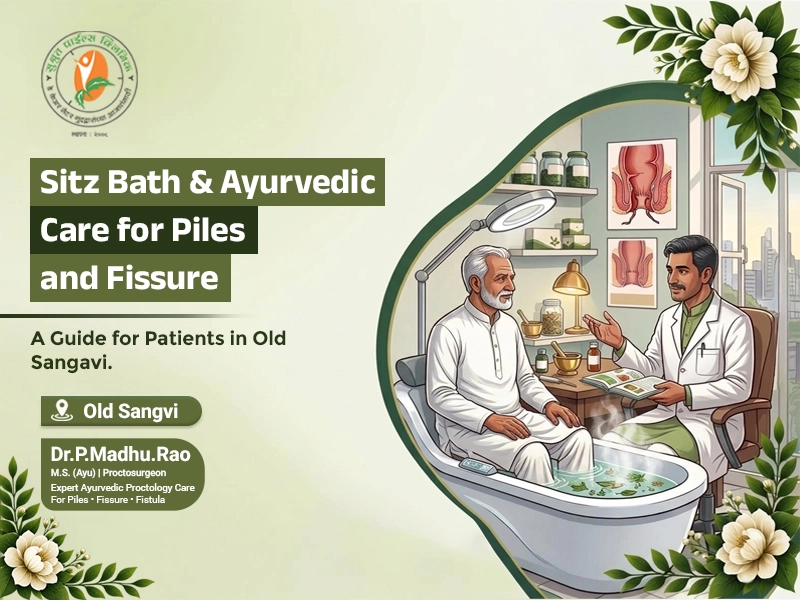
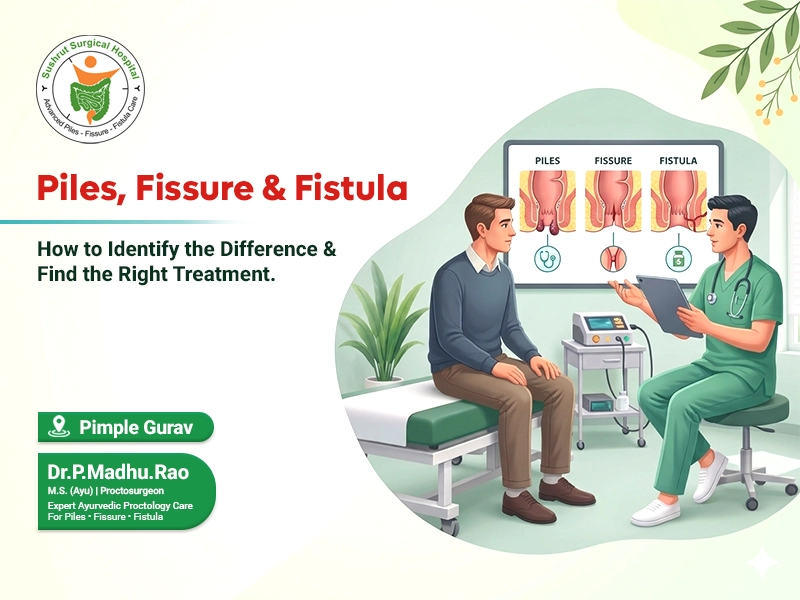

A painful swelling can be caused by a thrombosed external hemorrhoid, anal abscess, fissure-related swelling, skin infection, or another anorectal condition. An examination may be needed to determine the actual cause.
Common symptoms include a sudden firm and painful lump near the anus. The lump may appear bluish or purple because of a blood clot within the hemorrhoidal vein. Pain can be worse while sitting or during bowel movements.
A thrombosed pile often presents as a firm, tender lump that may have a bluish or purple appearance. An abscess may cause progressively worsening pain, redness, warmth, swelling, fever, or pus. Because symptoms can overlap, medical examination is important.
Some thrombosed hemorrhoids may improve as the body gradually absorbs the clot. However, significant pain or uncertainty about the diagnosis warrants medical assessment to determine whether treatment is required.
Consult a doctor if the lump causes significant or worsening pain, becomes larger, persists, or is accompanied by fever, redness, pus, discharge, or significant bleeding. Prompt evaluation is particularly important when an abscess is possible.
Sushrut Surgical Hospital, Moshi provides consultation and treatment guidance for piles, thrombosed hemorrhoids, fissures, fistulas, abscesses, and other anorectal conditions.
Contact Sushrut Surgical Hospital for consultation and personalized guidance for a painful swelling near the anus in Moshi.
📍 Location: Moshi, Pune
M.K.Chowk, above HDFC Bank, Kawade Nagar, Trimurti Colony, Pimple Gurav, Pimpri-Chinchwad, Pune, Maharashtra 411027
Ganpati chowk,Shitole Nagar, Old Sangavi,Pune - 411027.
Shop No. 19-20, Silver Central Mall, Jadhav Wadi, Moshi, Pune-412105
Eleifend senectus ornare hendrerit dis lacinia habitant mattis