
Qualification :- B.A.M.S
MMC No. – I-64912-A
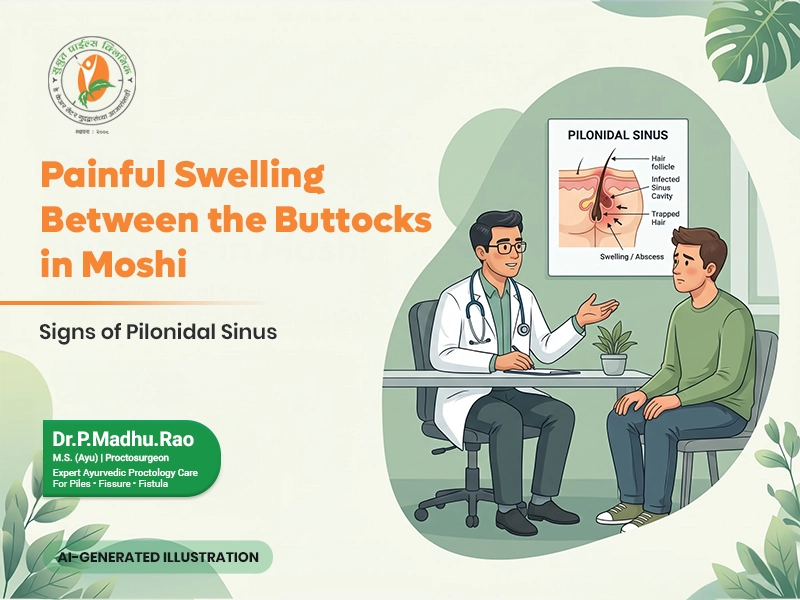
A painful swelling between the buttocks can make sitting, walking, and everyday activities uncomfortable. When the swelling develops near the tailbone, one possible cause is a condition called pilonidal sinus.
Pilonidal sinus is a condition affecting the skin near the upper part of the buttock crease. It may appear as a small opening or pit in the skin and can sometimes develop into an infected swelling or abscess.
Recognising pilonidal sinus symptoms can help people understand when medical evaluation may be necessary. Common symptoms include pain, redness, swelling, tenderness, and discharge of pus or blood.
However, not every painful lump between the buttocks is a pilonidal sinus. Other skin infections, cysts, and abscesses can cause similar symptoms. A medical examination is important to establish the correct diagnosis.
A pilonidal sinus is an abnormal small opening or tunnel that develops in the skin, usually near the tailbone at the top of the crease between the buttocks.
The condition is commonly associated with loose hair becoming trapped in the skin. Friction, pressure, and irritation in this area may contribute to inflammation and the development of sinus openings.
Some people have small pits without noticeable symptoms. However, when the area becomes inflamed or infected, it can cause swelling, pain, and discharge.
In certain cases, an infected pilonidal sinus develops into an abscess, which is a collection of pus beneath the skin.
Symptoms can vary depending on whether the condition is inactive, inflamed, or infected.
Common signs include:
Some people experience occasional discharge without significant pain, while others develop sudden and severe discomfort when an abscess forms.
Pilonidal disease is associated with hair and skin debris entering or becoming trapped in the skin within the buttock crease.
Friction and pressure may contribute to hair penetration and inflammation. The body’s inflammatory response can lead to the formation of small sinus tracts beneath the skin.
If bacteria infect the affected area, pus may collect and produce a painful swelling.
Certain factors, including prolonged sitting, a deep buttock crease, excess body hair, and local friction, may increase susceptibility. However, pilonidal sinus can occur in people with different body types and activity levels.
An infected pilonidal sinus may cause symptoms that develop or worsen over a relatively short period.
Possible warning signs include:
These symptoms may indicate that an abscess has developed.
A painful abscess should be medically assessed promptly. Do not squeeze, puncture, or attempt to drain the swelling yourself.
Yes. An infected pilonidal sinus may produce pus, fluid, or blood-stained discharge through an opening in the skin.
Sometimes, the swelling drains spontaneously and temporarily becomes smaller. However, this does not necessarily mean that the underlying sinus has healed.
Repeated discharge from the same opening may indicate persistent pilonidal disease and should be evaluated by a healthcare professional.
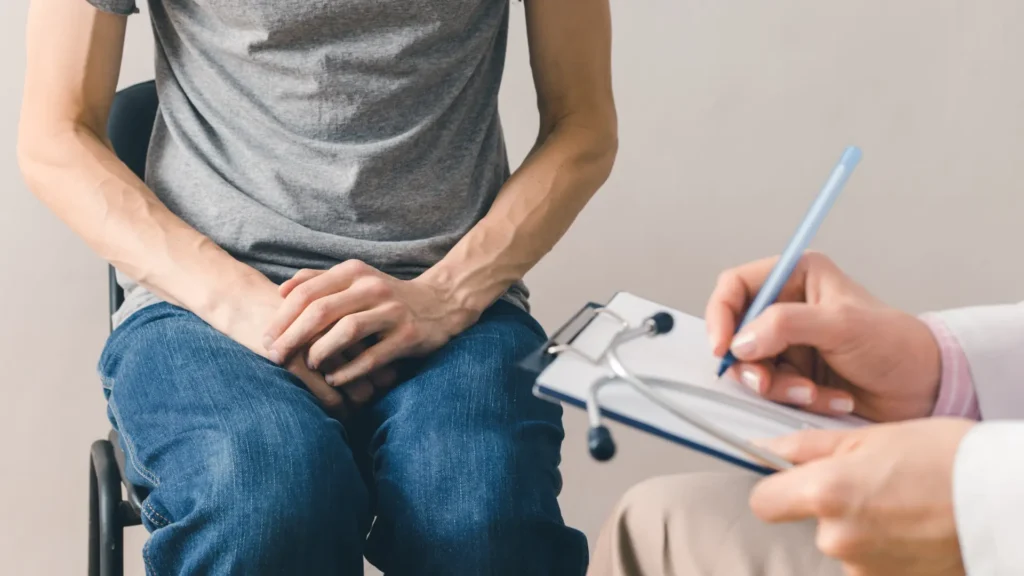
Diagnosis generally involves a discussion of symptoms and medical history, followed by examination of the affected area.
A doctor may ask:
The doctor may examine the buttock crease for small openings, hair, redness, swelling, tenderness, or signs of an abscess.
Most cases can be diagnosed through clinical examination. Additional investigations may be considered if the diagnosis is uncertain or another condition is suspected.
Pilonidal sinus treatment depends on the extent of the condition, whether an infection is present, and whether symptoms are recurring.
Some asymptomatic pilonidal pits may not require an immediate procedure. Appropriate hygiene and medical guidance may help manage the condition.
When an abscess develops, a healthcare professional may recommend an incision and drainage procedure. This involves opening the collection to allow pus to escape.
Drainage helps manage the acute infection, but an underlying sinus may remain and cause further symptoms.
Persistent or recurrent pilonidal disease may require a surgical procedure.
Depending on the extent and location of the sinus, options may include excision, procedures that leave the wound open to heal, or techniques involving wound closure.
Each approach has different recovery requirements, benefits, and potential complications.
Selected patients may be considered for minimally invasive techniques. Suitability depends on the extent of the sinus and the clinical findings.
No single procedure is appropriate for every patient. A qualified surgeon should explain the available alternatives and their limitations.
Although pilonidal disease cannot always be prevented, certain measures may help reduce local irritation and contributing factors.
Consider the following:
If you have already experienced pilonidal sinus, follow the wound-care and follow-up instructions provided by your treating professional.
Medical evaluation is advisable if you notice:
Seek prompt medical attention if pain and swelling are rapidly increasing, or if fever develops. Severe pain, spreading redness, or feeling significantly unwell may indicate an infection requiring urgent assessment.
No. Other conditions, including skin abscesses, cysts, and infections, can cause similar swelling. A clinical examination is necessary to identify the cause.
Some cases without active infection may be managed without an immediate operation. However, an abscess may require drainage, while persistent or recurrent disease may need further intervention.
Recurrence may occur when sinus tracts remain, new hair enters the affected area, or the underlying condition persists. Recurring symptoms should be medically reassessed.
Many cases are manageable, but an untreated infection or abscess can cause significant pain and complications. Prompt assessment is advisable when symptoms worsen.
This article is intended for general educational purposes only and does not constitute medical advice, diagnosis, or treatment recommendations. Symptoms and treatment requirements vary between individuals. Consult a qualified healthcare professional for an appropriate examination and personalised guidance. Do not attempt to drain an abscess yourself or delay medical attention for worsening pain, swelling, or fever.
If you are experiencing pilonidal sinus symptoms or need information about pilonidal sinus symptoms and treatments in Moshi, don’t ignore recurring pain, swelling or discharge.
📍 Visit Sushrut Piles Clinic, Moshi
M.K.Chowk, above HDFC Bank, Kawade Nagar, Trimurti Colony, Pimple Gurav, Pimpri-Chinchwad, Pune, Maharashtra 411027
Ganpati chowk,Shitole Nagar, Old Sangavi,Pune - 411027.
Shop No. 19-20, Silver Central Mall, Jadhav Wadi, Moshi, Pune-412105
Eleifend senectus ornare hendrerit dis lacinia habitant mattis