
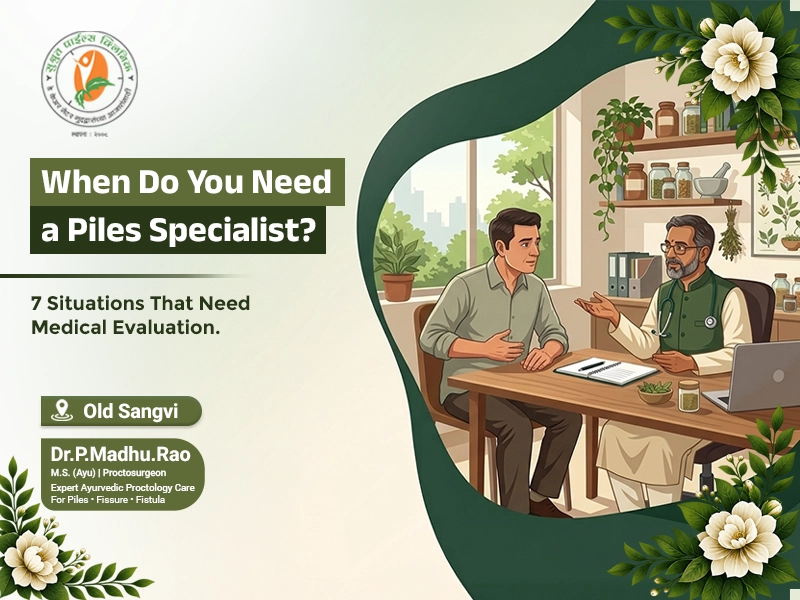
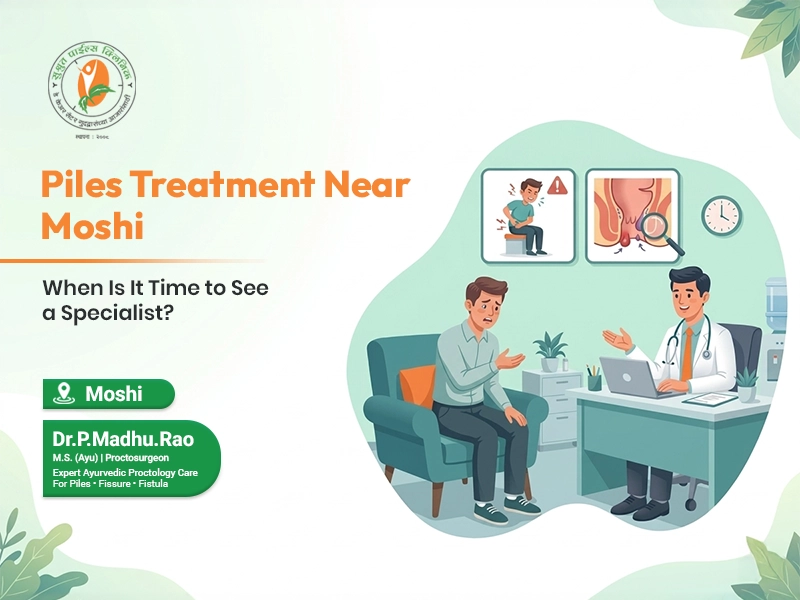
Piles, also known as hemorrhoids, are a common anorectal condition that can cause bleeding, discomfort, itching, swelling, and difficulty during bowel movements. Although mild symptoms may improve with dietary changes and appropriate medical management, persistent or recurring symptoms should not be ignored.
Knowing when to consult a piles specialist in Old Sangavi can help you understand the cause of your symptoms and explore suitable treatment options. Rectal bleeding and anal discomfort are not always caused by piles, so an accurate diagnosis is an important first step.
At Sushrut Piles Clinic in Old Sangavi, patients seeking evaluation for piles and other anorectal concerns can discuss their symptoms, understand the available treatment approaches, and receive guidance based on their individual condition.
Let’s look at seven situations in which medical evaluation may be necessary.
Bleeding during or after passing stools is one of the symptoms commonly associated with piles. You may notice bright red blood on toilet paper, on the surface of the stool, or in the toilet bowl.
However, rectal bleeding should not automatically be attributed to hemorrhoids. Anal fissures, inflammation, and other intestinal conditions can also cause bleeding.
You should seek medical evaluation if you experience:
Heavy bleeding, fainting, or significant dizziness requires urgent medical attention.
A consultation with a piles specialist in Old Sangavi can help determine whether hemorrhoids are responsible for the bleeding or whether further investigation is needed.
Piles do not always cause severe pain. Significant or persistent anal pain may be associated with an anal fissure, a thrombosed external hemorrhoid, an abscess, or another condition.
You may experience discomfort while sitting, sharp pain during bowel movements, or pain that continues after passing stools.
Pay attention to symptoms such as:
Severe pain accompanied by fever or increasing swelling needs prompt medical assessment because an infection or abscess may be present.
Rather than relying only on home remedies, consider consulting a piles specialist in Old Sangavi when pain persists, returns frequently, or becomes more intense.
A lump near the anus can occur with external hemorrhoids, prolapsing internal hemorrhoids, or other anorectal conditions.
Some lumps may cause itching or mild discomfort, while others can become painful or swollen. A sudden, painful lump may indicate a thrombosed external hemorrhoid.
Medical evaluation is particularly important if:
Avoid attempting to cut, squeeze, or drain a lump yourself.
A piles specialist in Old Sangavi can assess the swelling, identify its likely cause, and explain whether conservative management or a procedure may be appropriate.
Constipation and straining can contribute to hemorrhoid symptoms and may worsen existing discomfort. Spending excessive time on the toilet and repeatedly straining during bowel movements can also place additional pressure on the anorectal region.
If constipation is frequent, it is important to address the underlying bowel habits rather than focusing only on the symptoms of piles.
Helpful measures may include:
If constipation persists despite these changes, or if it occurs alongside bleeding, unexplained weight loss, abdominal pain, or a significant change in bowel habits, seek medical evaluation.
Consulting a piles specialist in Old Sangavi can help you understand whether your symptoms are related to hemorrhoids, an anal fissure, or another condition requiring assessment.
Some patients experience temporary relief from medication or lifestyle changes but develop symptoms again after a few weeks or months.
Recurring symptoms may indicate that the underlying condition needs reassessment. The reason may include persistent hemorrhoids, continued constipation, incorrect assumptions about the diagnosis, or another anorectal problem.
Consider a specialist consultation if:
Repeatedly using medication without understanding the cause may delay appropriate care.
At Sushrut Piles Clinic, Old Sangavi, patients can seek an evaluation to understand their symptoms and discuss possible next steps. The recommended approach should depend on the diagnosis, symptom severity, previous treatment, and individual medical history.
Some internal hemorrhoids can protrude through the anal opening during bowel movements. This is known as prolapse.
In some cases, the tissue returns inside on its own. In other cases, it may need to be pushed back manually or may remain outside, causing discomfort, irritation, or hygiene difficulties.
Prolapse deserves medical assessment, particularly when it is recurring or becoming more difficult to manage.
Seek evaluation if you notice:
If protruding tissue is trapped outside and becomes severely painful or dark in colour, seek urgent medical attention.
A piles specialist in Old Sangavi can assess the severity of the prolapse and explain the available treatment options. Not every case requires surgery, and the appropriate approach depends on the clinical findings.
Not every symptom around the anus is caused by piles. Persistent discharge, pus, fever, or recurring swelling may indicate an infection, an abscess, an anal fistula, or another condition that needs specific treatment.
These symptoms should not be ignored or treated as routine hemorrhoid discomfort.
Arrange a prompt medical assessment if you experience:
Fever with worsening anal pain or swelling may indicate an abscess requiring urgent assessment.
A specialist evaluation can help distinguish piles from other anorectal conditions and establish an appropriate treatment plan.
Bleeding, pain, itching, swelling, and discomfort during bowel movements can occur in several different conditions. Although piles are common, assuming that every anorectal symptom is caused by hemorrhoids may lead to inappropriate self-treatment.
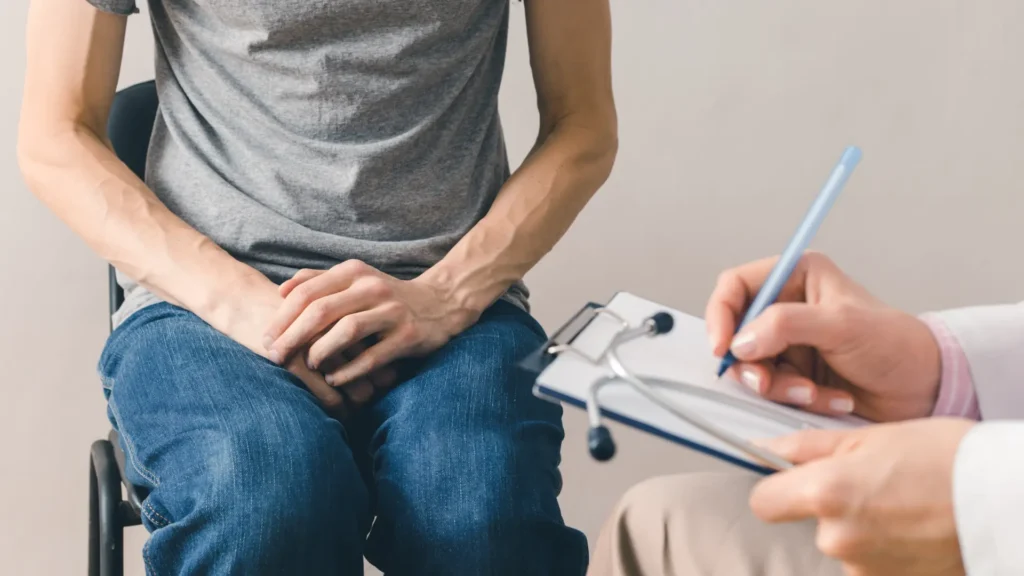
A medical assessment may include a discussion of your symptoms, bowel habits, medical history, and previous treatments. Depending on the findings, the clinician may recommend an examination or additional investigations.
The treatment plan depends on the diagnosis and severity of the condition.
For example:
A qualified piles specialist in Old Sangavi can explain the potential benefits, limitations, risks, and alternatives of the treatment options relevant to your diagnosis.
Choosing a clinic involves more than looking for a particular procedure or treatment technology. Patients should look for an appropriate clinical assessment, clear communication, and treatment recommendations that reflect their individual needs.
When considering a piles specialist in Old Sangavi, look for:
Accurate diagnosis: Your symptoms should be assessed rather than automatically attributed to piles.
Clear treatment guidance: The clinician should explain why a particular approach is being recommended.
Discussion of alternatives: You should understand whether conservative management, medication, a procedure, or further investigation may be appropriate.
Transparent information: Ask about expected recovery, possible complications, follow-up, and the limitations of the proposed treatment.
Individualized care: Treatment should reflect the type and severity of your condition, your medical history, and your preferences.
These considerations can help you make a more informed decision about your care.
If you are experiencing recurring bleeding, persistent anal pain, swelling, prolapse, or other symptoms associated with piles, an appropriate medical evaluation can help establish the cause and identify the next steps.
Sushrut Piles Clinic in Old Sangavi is a local option for patients seeking evaluation of piles and other anorectal concerns. A consultation can help you discuss your symptoms and understand which treatment approaches may be suitable for your condition.
The aim should be to identify the underlying problem and select appropriate care rather than choosing a treatment based on symptoms alone.
If you are searching for a piles specialist in Old Sangavi, consider seeking medical advice when symptoms persist, recur, or interfere with everyday activities.
You should consider medical evaluation if you experience repeated rectal bleeding, persistent pain, recurring swelling, prolapse, or symptoms that do not improve with appropriate initial management. Heavy bleeding, fainting, or severe pain with fever requires urgent attention.
No. Rectal bleeding can occur with hemorrhoids, anal fissures, inflammation, and other gastrointestinal conditions. A medical assessment is important to establish the cause, especially if bleeding recurs or is accompanied by changes in bowel habits.
Yes. Some hemorrhoid symptoms improve with dietary fibre, adequate hydration, better bowel habits, and appropriate medical management. Other cases may require an office-based procedure or surgery, depending on severity and clinical findings.
No. A painful lump may be caused by a thrombosed hemorrhoid, an abscess, or another condition. Sudden or severe pain, fever, or increasing swelling should be assessed promptly.
Look for a qualified clinician who evaluates anorectal symptoms, explains the diagnosis, discusses appropriate treatment options, and provides clear guidance on risks and follow-up. You can contact Sushrut Piles Clinic in Old Sangavi to enquire about an appointment.
Yes. Frequent straining and hard stools can worsen hemorrhoid symptoms. Improving bowel habits may help, but persistent constipation or constipation accompanied by bleeding or other concerning symptoms should be medically evaluated.
Experiencing symptoms that may be related to piles or another anorectal condition? Do not ignore persistent or recurring symptoms.
Sushrut Piles Clinic — Old Sangavi, Pimpri-Chinchwad, Maharashtra
Seek an accurate diagnosis, understand your treatment options, and make an informed decision about your care.
Persistent symptoms deserve proper evaluation. The right treatment begins with the right diagnosis.
M.K.Chowk, above HDFC Bank, Kawade Nagar, Trimurti Colony, Pimple Gurav, Pimpri-Chinchwad, Pune, Maharashtra 411027
Ganpati chowk,Shitole Nagar, Old Sangavi,Pune - 411027.
Shop No. 19-20, Silver Central Mall, Jadhav Wadi, Moshi, Pune-412105
Eleifend senectus ornare hendrerit dis lacinia habitant mattis