


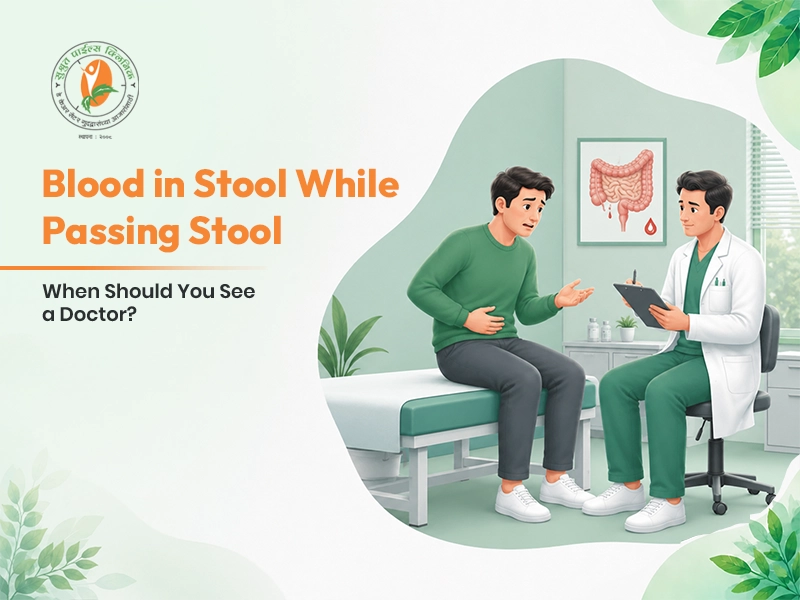
Seeing blood in your stool can be worrying, especially when it happens repeatedly while passing motion. Although conditions such as piles and anal fissures are common causes of blood while passing stool, rectal bleeding should not automatically be assumed to be piles. The appearance of the blood, how often it occurs, whether there is pain, and whether you have other symptoms can provide important clues. If you are experiencing fresh blood in stool or bleeding during bowel movements in Moshi, understanding the possible causes can help you decide when medical evaluation is appropriate. This article explains common reasons for blood in stool, the difference between piles bleeding and anal fissure bleeding, warning signs to watch for, and when you should consult a doctor.
Blood in stool means that bleeding is occurring somewhere along the digestive or anal tract. The source can range from relatively common problems around the anus to conditions affecting other parts of the digestive system. The colour and appearance of the blood can sometimes provide useful information. Bright red blood noticed on toilet paper, on the surface of stool, or in the toilet bowl may occur with bleeding from the lower rectal or anal area. However, the colour alone cannot establish the cause. Some people may notice bleeding only occasionally, while others may see blood during several bowel movements.
Common conditions such as hemorrhoids, also called piles, and anal fissures can cause bleeding while passing stool, particularly when bowel movements are hard or straining is involved. However, other causes are possible, so recurring or unexplained rectal bleeding deserves proper assessment. If you live in Moshi and have noticed blood in stool, it is useful to pay attention to associated symptoms such as pain, itching, swelling, changes in bowel habits, abdominal discomfort, weight loss, or unusual discharge.
There are several possible causes of blood during bowel movement. Piles are one of the common causes and may produce painless bleeding, particularly during or after passing stool. Anal fissures are another common cause and can produce bleeding together with sharp or burning pain during bowel movements. Constipation and passing hard stool can contribute to both conditions by increasing pressure and causing irritation or small tears around the anal opening.
Other causes of rectal bleeding can include infections, inflammation of the bowel, polyps and other gastrointestinal conditions. The amount of blood does not always indicate how serious the underlying cause is. Even a small amount of repeated bleeding should not simply be ignored if its cause is unknown. A doctor may need to consider your symptoms, medical history and examination findings before determining the likely source.
If bleeding occurs repeatedly, becomes heavier, is accompanied by significant pain, or occurs together with other unusual symptoms, medical evaluation becomes particularly important. Rather than self-diagnosing based only on internet searches, patients in Moshi can seek professional assessment to understand whether the bleeding is related to piles, fissure or another condition.
Yes, piles can cause blood in stool. Hemorrhoids are swollen blood vessels in and around the lower rectum and anus. When irritated during bowel movements, they can bleed. Piles bleeding is often noticed as fresh or bright red blood on toilet paper, on the outside of the stool, or in the toilet bowl. Some people experience bleeding without significant pain, while others may have itching, discomfort, swelling or a sensation of something coming out during bowel movements.
Constipation, hard stools and repeated straining can aggravate hemorrhoids. Spending a long time on the toilet and frequently straining during bowel movements may also contribute to symptoms. However, not every episode of fresh blood in stool is caused by piles. Similar symptoms can occur with anal fissures and other conditions. This is why recurring rectal bleeding should be assessed rather than automatically attributed to hemorrhoids.
Yes. An anal fissure is a small tear in the lining of the anal canal. It commonly develops after passing a hard or large stool and may cause sharp pain during bowel movements. Some people describe burning or discomfort that continues for a period after passing stool. Fresh blood may also be visible on toilet paper or on the surface of the stool.
Anal fissure bleeding can sometimes be confused with piles bleeding because both conditions may produce fresh blood in stool. One useful difference is the pattern of symptoms: fissures are often associated with significant pain during or after bowel movements, whereas some hemorrhoids may bleed with little or no pain. However, symptoms can overlap, and only a proper clinical assessment can determine the cause.
If pain and bleeding continue despite improving constipation or bowel habits, it is advisable to consult a doctor. Persistent symptoms may require treatment to help the affected area heal and to address factors that may be contributing to recurrence.
Fresh red blood generally indicates bleeding from a relatively lower part of the digestive tract, often around the rectum or anus, but it does not identify the exact cause by itself. Piles and anal fissures are common possibilities, particularly when bleeding occurs during or immediately after passing stool. However, other causes of rectal bleeding are also possible.
Pay attention to how the blood appears and whether it is associated with other symptoms. Blood on toilet paper or streaks of blood on the outside of stool may have a different source from stool that is thoroughly mixed with blood. Dark or black, tar-like stool can indicate bleeding higher in the digestive tract and needs medical attention. Similarly, heavy bleeding, dizziness, weakness or fainting should not be ignored.
Because there are several possible causes of blood in stool, it is better to avoid assuming that fresh blood automatically means piles. If the bleeding is recurring, unexplained, increasing or accompanied by other concerning symptoms, arrange an appropriate medical evaluation.
Blood in stool deserves prompt medical attention when the bleeding is heavy, persistent or recurrent, or when it occurs with symptoms such as dizziness, fainting, marked weakness, severe abdominal pain, fever, vomiting, unexplained weight loss, or significant changes in bowel habits. Black or tarry stool can also be a warning sign because it may indicate bleeding higher in the digestive tract.
Even when the amount of blood appears small, repeated rectal bleeding should be investigated if you do not know its cause. People sometimes assume that recurring bleeding is simply piles and continue self-treatment without confirming the diagnosis. This can delay appropriate care if another condition is responsible.
If you experience significant or rapidly increasing bleeding, severe symptoms, fainting or weakness, seek urgent medical care rather than waiting for a routine appointment. For less urgent but recurring symptoms, consultation with a qualified doctor can help identify the cause and determine the appropriate next step.
You should consider seeing a doctor in Moshi if blood in stool keeps recurring, appears without an obvious reason, is accompanied by anal pain, swelling, a lump, discharge, changes in bowel habits or other concerning symptoms, or does not improve. Medical assessment is especially important when you are unsure whether the bleeding is from piles, an anal fissure or another condition.
A doctor can review the pattern of bleeding and associated symptoms and perform an appropriate examination. Getting the cause identified can help you avoid unnecessary self-treatment and ensure that the underlying problem receives suitable attention.
Diagnosis usually begins with a discussion of your symptoms, medical history and bowel habits. Your doctor may ask when the bleeding started, how often it occurs, what the blood looks like, whether you experience pain or constipation, and whether you have noticed other symptoms. Depending on your symptoms and examination findings, the doctor may examine the anal and rectal area to identify conditions such as piles or an anal fissure.
Further tests may be recommended when the symptoms suggest that the bleeding could have another source or when additional evaluation is clinically appropriate. The exact approach depends on factors such as your age, symptoms, medical history and examination findings.
The important point is that blood in stool is a symptom rather than a diagnosis. Identifying the underlying cause is the first step toward deciding what treatment, if any, is appropriate.
Treatment for blood in stool depends entirely on why the bleeding is occurring. When constipation contributes to piles or an anal fissure, improving bowel habits, maintaining adequate fluid intake and increasing appropriate dietary fibre may form part of the management plan. A doctor may recommend medicines or other treatments depending on the severity and underlying condition.
Persistent or recurrent piles may require treatments beyond basic lifestyle measures. Similarly, an anal fissure that does not heal may need medical treatment. Other causes of rectal bleeding require their own specific management.
For this reason, treatment should not be selected solely because blood was noticed during a bowel movement. A proper diagnosis helps ensure that the treatment is directed at the actual cause rather than only temporarily reducing a symptom.
You should seek medical evaluation if blood in stool is recurrent, unexplained, increasing, or associated with pain, changes in bowel habits, weakness, dizziness, weight loss, fever, abdominal symptoms or other concerning signs. Fresh red blood can occur with common conditions such as piles or anal fissures, but the symptom alone cannot confirm the diagnosis. Heavy bleeding, fainting, severe weakness, black or tarry stool, or severe symptoms require urgent medical attention.

No. Piles are a common cause of rectal bleeding, but anal fissures and several other conditions can also cause blood in stool. If bleeding is recurrent or unexplained, medical evaluation can help identify the cause.
Fresh blood can occur when bleeding originates from the lower rectal or anal area. Piles and anal fissures are common possibilities, particularly when bleeding occurs during bowel movements, but the symptom alone cannot confirm the cause.
Yes. Hard stools and straining can irritate or injure the anal area and contribute to piles or anal fissures, both of which may cause bleeding. Persistent bleeding should still be evaluated.
Piles can cause bleeding with little or no pain, particularly in some internal hemorrhoids. However, pain, swelling and discomfort can occur with other types of hemorrhoids or associated conditions. A clinical examination can help determine the cause.
See a doctor if rectal bleeding is recurrent, unexplained, increasing, or accompanied by pain, changes in bowel habits, weakness, dizziness, weight loss or other concerning symptoms. Heavy bleeding, fainting, severe weakness or black, tarry stool requires urgent medical attention.
If you are experiencing blood in stool, bleeding while passing stool, piles bleeding or anal fissure symptoms in Moshi, don’t ignore recurring symptoms.
📍 Visit Sushrut Piles Clinic, Moshi
Get the cause of your symptoms evaluated and discuss the appropriate treatment with a qualified specialist.
M.K.Chowk, above HDFC Bank, Kawade Nagar, Trimurti Colony, Pimple Gurav, Pimpri-Chinchwad, Pune, Maharashtra 411027
Ganpati chowk,Shitole Nagar, Old Sangavi,Pune - 411027.
Shop No. 19-20, Silver Central Mall, Jadhav Wadi, Moshi, Pune-412105
Eleifend senectus ornare hendrerit dis lacinia habitant mattis