
Qualification :- B.A.M.S
MMC No. – I-64912-A

Mulvyadh, commonly known as piles or hemorrhoids, is a condition in which the blood vessels and supporting tissues around the anus or lower rectum become swollen. It may cause symptoms such as bleeding during bowel movements, itching, pain, swelling, or a lump near the anus. The severity of symptoms varies, and some people may have hemorrhoids without noticeable discomfort.
Understanding the causes, symptoms, diagnosis, and available treatment options can help people make informed decisions about their health. Although mild symptoms may improve with dietary and lifestyle changes, persistent or recurring problems require medical evaluation. It is also important to remember that rectal bleeding can have causes other than hemorrhoids and should not automatically be attributed to piles.
Hemorrhoids are swollen vascular structures in the anal canal. They are generally classified into two types:
Several factors may contribute to the development of hemorrhoids. These include chronic constipation, repeated straining during bowel movements, prolonged sitting on the toilet, low dietary fibre intake, pregnancy, and increased pressure in the lower rectal region. Age-related weakening of supporting tissues may also contribute.
Not everyone experiences the same symptoms, and having one or more risk factors does not necessarily mean a person will develop hemorrhoids.
Symptoms depend on the type and severity of hemorrhoids. Some common signs include:
Internal hemorrhoids are often painless unless they prolapse or develop complications. External hemorrhoids may become painful, especially when a blood clot develops.
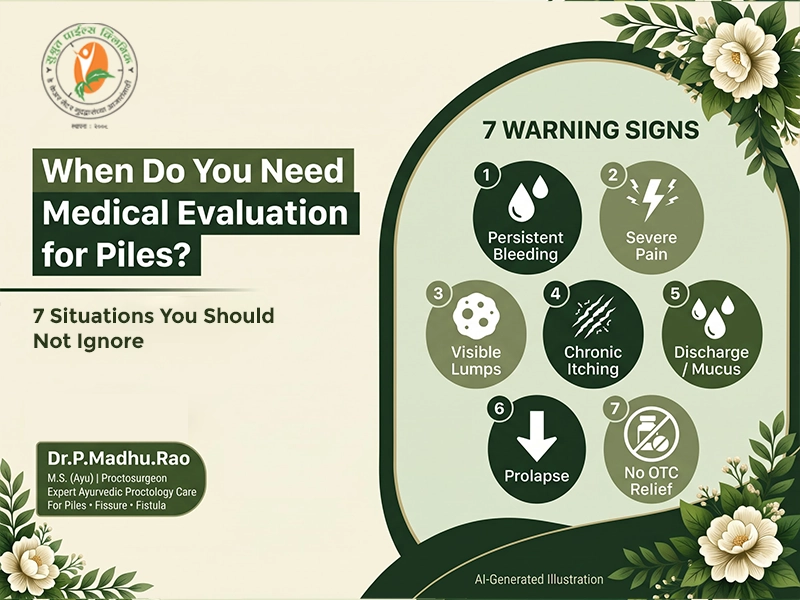
Persistent bleeding, severe pain, or a change in bowel habits should not be ignored. These symptoms can also occur with other digestive or anorectal conditions.
Diagnosis begins with a discussion of symptoms, medical history, bowel habits, and the duration of discomfort. A healthcare professional may examine the area around the anus to identify swelling, external hemorrhoids, or other abnormalities.
Depending on the symptoms, the examination may include:
These assessments help distinguish hemorrhoids from conditions such as anal fissures, fistulas, infections, and other causes of rectal bleeding.
Treatment depends on the type of hemorrhoids, their severity, the symptoms experienced, and the person’s overall health. Not everyone requires a procedure or surgery. Treatment generally begins with measures to improve bowel habits and reduce straining.
For mild symptoms, healthcare professionals commonly recommend:
Depending on the symptoms, a doctor may recommend medicines to manage constipation, discomfort, itching, or inflammation. Some topical preparations may provide temporary symptom relief. However, their suitability and duration of use should be discussed with a healthcare professional. Medicines may reduce symptoms without necessarily removing the underlying hemorrhoids.
When symptoms continue despite conservative treatment, certain procedures may be considered. These include:
These procedures are generally used for selected internal hemorrhoids. Their suitability, possible complications, and likelihood of recurrence vary.
Surgery may be considered for large, advanced, recurrent, or complicated hemorrhoids, particularly when other treatments have not provided sufficient relief. Hemorrhoidectomy involves removing hemorrhoidal tissue, while other surgical techniques may reduce prolapse or blood supply.
Surgical treatment can involve postoperative pain, bleeding, and a recovery period. The choice of procedure should be based on an individual clinical assessment and discussion of its potential benefits and risks.
Certain daily habits can help reduce constipation and straining, which are important factors associated with hemorrhoid symptoms.
These measures may help manage symptoms and reduce the likelihood of recurrence, but they cannot address every cause of anal or rectal discomfort.
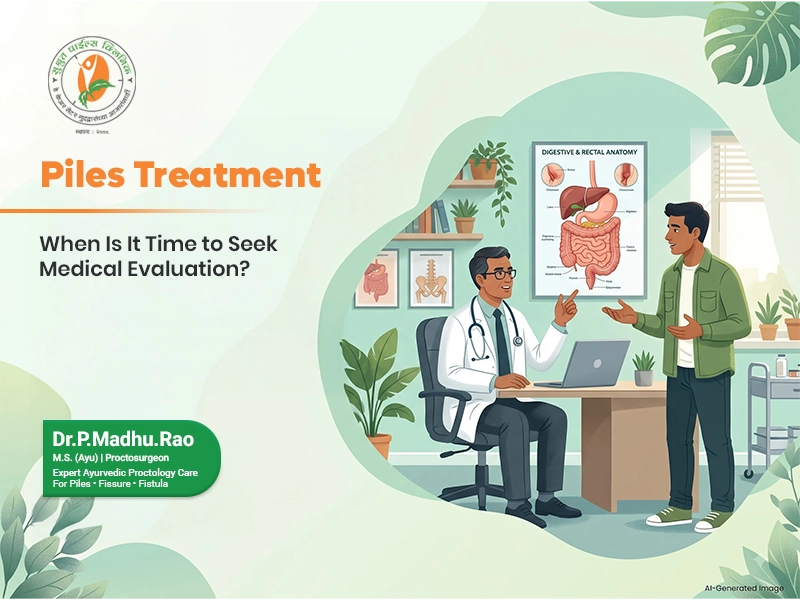
Medical evaluation is advisable if you experience repeated rectal bleeding, persistent itching, anal pain, swelling, a lump, or tissue protruding from the anus. Symptoms that continue despite dietary and lifestyle changes also require assessment.
Seek urgent medical attention for heavy or continuous bleeding, large blood clots, severe anal pain, or symptoms accompanied by fever, chills, or feeling seriously unwell.
Rectal bleeding may sometimes be associated with anal fissures, fistulas, inflammatory bowel conditions, or colorectal diseases. Identifying the actual cause is important because these conditions may require different investigations and treatments.
Mulvyadh is a common anorectal condition, but its symptoms should not be ignored or automatically attributed to piles. Understanding the underlying cause, improving bowel habits, and receiving an appropriate medical assessment can help guide management. Treatment options range from lifestyle modifications and medicines to procedures and surgery, depending on individual clinical findings.
Mulvyadh is another commonly used name for hemorrhoids or piles. It occurs when the blood vessels and supporting tissues around the anus or lower rectum become swollen.
Common symptoms include bright-red rectal bleeding, itching, swelling, discomfort, pain, and a lump around the anus. Some people may also experience prolapse during bowel movements.
Eating fibre-rich foods, drinking adequate fluids, avoiding straining, maintaining physical activity, and taking warm sitz baths may help manage mild symptoms. Persistent symptoms require medical assessment.
No. Many cases can be managed with dietary changes, improved bowel habits, and appropriate medicines. Some patients may require minimally invasive procedures or surgery depending on the severity and clinical findings.
This article is intended for general educational and informational purposes only. It does not provide medical diagnosis or treatment recommendations and should not replace consultation with a qualified healthcare professional. Symptoms and treatment requirements vary between individuals. Anyone experiencing rectal bleeding, persistent pain, swelling, or other concerning symptoms should seek appropriate medical evaluation.
Contact Sushrut Surgical Hospital for consultation and personalized guidance for mulvyadh treatment in Pimple Gurav.
📍 Location: Pimple Gurav, Pune
M.K.Chowk, above HDFC Bank, Kawade Nagar, Trimurti Colony, Pimple Gurav, Pimpri-Chinchwad, Pune, Maharashtra 411027
Ganpati chowk,Shitole Nagar, Old Sangavi,Pune - 411027.
Shop No. 19-20, Silver Central Mall, Jadhav Wadi, Moshi, Pune-412105
Eleifend senectus ornare hendrerit dis lacinia habitant mattis