

Qualification :- B.A.M.S
MMC No. – I-64912-A
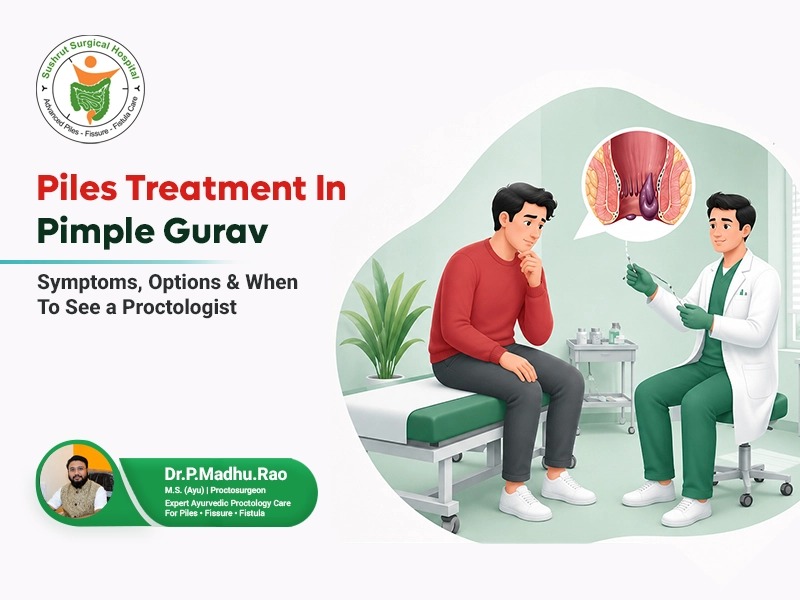
Piles, medically known as haemorrhoids, are swollen vascular structures and supporting tissues in and around the anus and lower rectum. They may cause symptoms such as rectal bleeding, itching, swelling, discomfort and tissue protruding through the anal opening.
Although mild haemorrhoid symptoms may improve with dietary and lifestyle modifications, persistent or recurring symptoms require appropriate medical assessment. Understanding the causes, symptoms and available treatment options can help individuals make informed decisions about their health.
Haemorrhoids are normal vascular structures that help maintain control of bowel movements. Problems develop when these tissues become enlarged, swollen or symptomatic.
Piles are generally classified into two main types:
Several factors may contribute to symptomatic haemorrhoids, including:
These factors may increase pressure on the vascular tissues around the anus and contribute to haemorrhoidal symptoms.
Symptoms vary depending on the type and severity of haemorrhoids. Common symptoms include:
Internal haemorrhoids may cause bleeding without significant pain. However, painful swelling can occur when external haemorrhoids become thrombosed.
Rectal bleeding should not automatically be attributed to piles because other conditions, including anal fissures, inflammatory bowel disease and colorectal disorders, may produce similar symptoms.
Diagnosis begins with a discussion of symptoms, medical history and bowel habits.
A healthcare professional may ask about the duration of bleeding, pain, constipation, prolapse and previous treatment.
Depending on the symptoms, examinations may include:
The investigations required depend on age, medical history, examination findings and associated symptoms.
Internal haemorrhoids are commonly classified into four grades according to the degree of prolapse.
The grade helps clinicians assess the extent of prolapse. However, treatment decisions also depend on symptoms, associated conditions and individual clinical findings.
Treatment depends on the type, grade and severity of haemorrhoids, along with the patient’s symptoms and medical history.
Many patients with mild haemorrhoidal symptoms may benefit from conservative management.
General recommendations include:
These measures can help improve bowel habits and reduce pressure during defecation.
Depending on the symptoms, a doctor may recommend medicines to manage discomfort, itching, swelling or constipation.
Topical preparations and other medicines may provide temporary symptom relief but do not necessarily eliminate enlarged haemorrhoidal tissue.
Medication should be selected according to the individual’s condition and medical advice.
Some patients with persistent internal haemorrhoids may require procedures that can be performed without conventional surgery.
Options may include:
These procedures have different indications and limitations. Their suitability depends on the clinical assessment.
Surgery may be considered for selected patients with advanced, complicated or persistent haemorrhoids.
Haemorrhoidectomy involves removing symptomatic haemorrhoidal tissue. Other surgical approaches may be considered depending on the patient’s condition.
Each procedure has different potential benefits, risks and recovery requirements. No single treatment is appropriate for everyone.
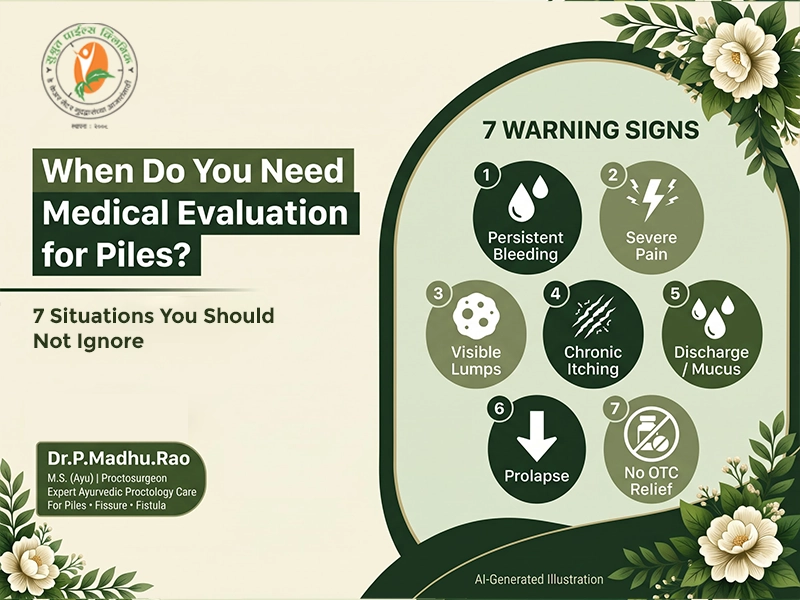
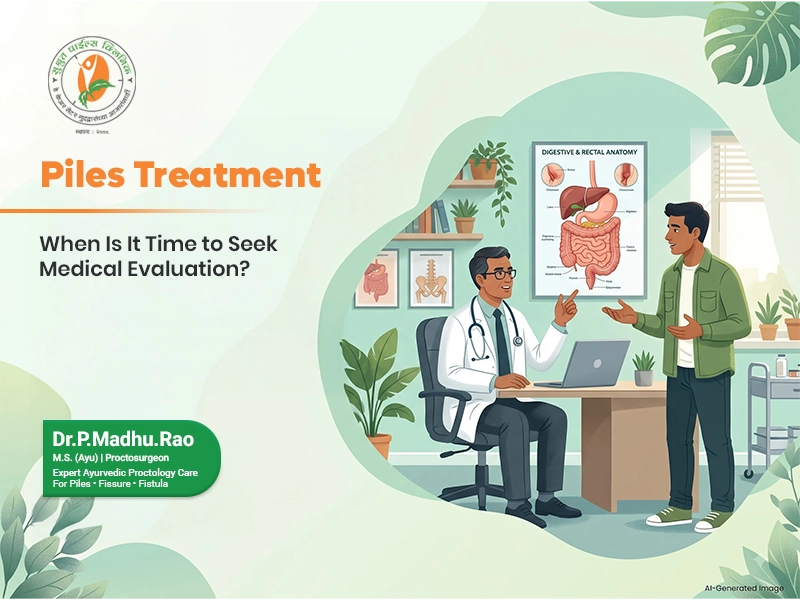
Medical evaluation is advisable if you experience:
Heavy bleeding, fainting, severe pain, fever or rapidly increasing swelling requires prompt medical attention.
It is particularly important not to assume that all rectal bleeding is caused by haemorrhoids. Identifying the actual cause is essential for appropriate treatment.
There is no single treatment that is suitable for every patient. Mild symptoms may respond to conservative management, while persistent internal haemorrhoids may require an office-based procedure. Advanced or complicated cases may require surgical intervention.
The decision should consider the type and grade of haemorrhoids, severity of symptoms, previous treatment, associated medical conditions and individual health requirements.
Treatment should be based on clinical findings rather than the popularity or marketing description of a particular procedure.

Yes. Many patients with mild haemorrhoidal symptoms can improve with dietary modifications, adequate hydration, fibre intake and appropriate bowel habits. Some patients may require additional treatment.
No. Surgery is generally considered for selected patients with advanced, complicated or persistent symptoms. Conservative management and office-based procedures may be appropriate in other cases.
No. Rectal bleeding can occur due to anal fissures, inflammatory conditions, colorectal polyps and other disorders. Medical assessment is important to identify the cause.
Yes. Recurrence is possible after treatment. Constipation, repeated straining and other contributing factors may influence future symptoms. Maintaining healthy bowel habits can support long-term management.
This article is intended for general educational purposes only and does not constitute medical advice, diagnosis, or treatment recommendations. Symptoms and treatment requirements vary between individuals. Consult a qualified healthcare professional for an appropriate examination and personalised guidance. Do not attempt to drain an abscess yourself or delay medical attention for worsening pain, swelling, or fever.
If you are experiencing bleeding, pain, itching, swelling, or a recurring lump, getting evaluated early can help you understand the cause and available treatment options.
📍 Location: Pimple Gurav, Pune
M.K.Chowk, above HDFC Bank, Kawade Nagar, Trimurti Colony, Pimple Gurav, Pimpri-Chinchwad, Pune, Maharashtra 411027
Ganpati chowk,Shitole Nagar, Old Sangavi,Pune - 411027.
Shop No. 19-20, Silver Central Mall, Jadhav Wadi, Moshi, Pune-412105
Eleifend senectus ornare hendrerit dis lacinia habitant mattis