

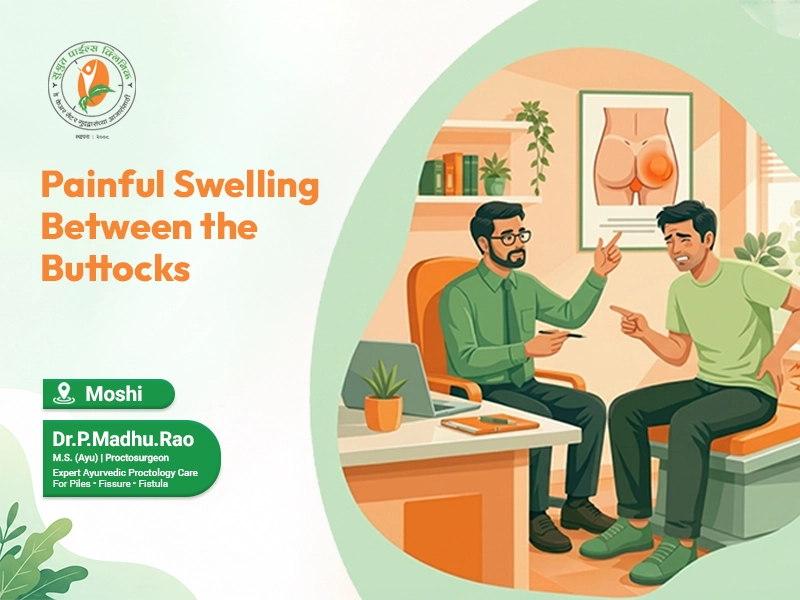
A painful swelling between the buttocks can be uncomfortable, especially when it develops near the tailbone and makes sitting or walking difficult. One possible cause is a pilonidal sinus, a small opening or tunnel that can develop in the skin at the top of the buttock crease.
Recognising common pilonidal sinus symptoms can help you understand when medical evaluation may be appropriate. Symptoms may include a painful lump near the tailbone, swelling, redness, tenderness, pus or blood discharge. In some people, the problem may repeatedly settle and return.
If you are looking for pilonidal sinus symptoms and treatments in Moshi, it is important to remember that not every painful swelling between the buttocks is a pilonidal sinus. Other cysts, skin infections and abscesses can cause similar symptoms. A medical examination can help determine the actual cause and appropriate treatment.
A pilonidal sinus is a small pit, opening or tunnel that develops in the skin at the top of the crease between the buttocks, close to the tailbone. It can contain trapped hair and skin debris.
Some people may have a pilonidal sinus without significant symptoms. Problems can develop when the area becomes inflamed or infected. Infection may result in an abscess, causing pain, swelling and pus.
Pilonidal disease can also become recurrent. A swelling may drain and temporarily improve, while the underlying sinus remains and causes another episode later.
The appearance of pilonidal disease can vary depending on whether the sinus is infected.
Common pilonidal sinus symptoms include:
When infection develops, pain and swelling may become more noticeable over a short period.
Pilonidal disease is associated with hair and skin debris becoming trapped in the cleft between the buttocks and entering the skin. Friction and pressure in this area may contribute to the condition.
When inflammation or infection occurs, fluid or pus can collect beneath the skin. This can create the painful lump near the tailbone that many people notice.
However, a lump in this area does not automatically mean that it is a pilonidal sinus. Other conditions can produce similar symptoms, which is why examination is important.
An infected pilonidal sinus may cause more severe symptoms than an inactive sinus.
Possible signs include:
A painful collection of pus may indicate that an abscess has formed. If pain or swelling is rapidly increasing, seek medical evaluation rather than trying to squeeze or puncture the lump yourself.
Yes. An infected pilonidal sinus can produce pus, fluid or blood-stained discharge.
Pilonidal sinus discharge may appear on clothing or when cleaning the area. Some people notice that a painful lump drains and becomes smaller, only to return later.
Repeated pus or blood from the same opening should not simply be ignored. The underlying sinus may continue to cause symptoms even after the immediate swelling improves.
You should consider medical evaluation if you have:
Prompt assessment is particularly important if symptoms are worsening or interfering with normal activities.
Diagnosis usually involves discussing your symptoms and medical history, followed by examination of the affected area.
A doctor may ask when the swelling started, whether you have experienced similar episodes, whether there is pus or blood, and whether sitting makes the pain worse.
The skin around the buttock crease can then be examined for a sinus opening, pit, swelling, abscess, redness or discharge.
Because several conditions can cause swelling between the buttocks, professional assessment can help distinguish pilonidal disease from other causes.
Pilonidal sinus treatment depends on whether there is an active infection, an abscess or recurrent disease.
A small sinus without active infection may sometimes be monitored and managed with appropriate local care and medical advice.
If an abscess has formed and pus has collected underneath the skin, it may need to be opened and drained by a healthcare professional. Do not attempt to puncture or drain an abscess yourself.
For recurrent or persistent pilonidal disease, additional procedures may be considered. The appropriate treatment depends on the extent of disease and the patient’s individual circumstances.
If you are searching for pilonidal sinus symptoms and treatments in Moshi, Sushrut Piles Clinic can provide an opportunity to have your symptoms evaluated and discuss appropriate treatment options.
Patients may seek assessment for symptoms such as:
The aim is to identify the underlying cause rather than simply treating the visible swelling.
At Sushrut Piles Clinic, treatment recommendations can be based on the clinical findings and the nature of the condition.
A painful swelling between the buttocks, particularly near the tailbone, can be one of the pilonidal sinus symptoms. Pain, redness, pus, blood or recurring discharge may indicate that the area needs medical assessment.
Not every lump is a pilonidal sinus, so avoiding self-diagnosis is important.
If you are experiencing symptoms in Moshi, Sushrut Piles Clinic can assess the affected area and help determine whether the problem is consistent with pilonidal disease or another condition.
No. Other cysts, abscesses and skin infections can cause similar symptoms. Examination is needed to determine the cause.
Yes. Infection can cause an abscess containing pus. A painful lump with pus should be assessed by a healthcare professional.
Yes. An inflamed or draining sinus can sometimes produce blood-stained discharge.
No. Treatment depends on whether the sinus is infected, whether an abscess is present and whether the condition keeps recurring.
Seek medical evaluation if pain or swelling is increasing, pus or blood is present, discharge keeps returning, you develop fever, sitting becomes difficult or the lump repeatedly comes back.
If you are experiencing pilonidal sinus symptoms or need information about pilonidal sinus symptoms and treatments in Moshi, don’t ignore recurring pain, swelling or discharge.
📍 Visit Sushrut Piles Clinic, Moshi
M.K.Chowk, above HDFC Bank, Kawade Nagar, Trimurti Colony, Pimple Gurav, Pimpri-Chinchwad, Pune, Maharashtra 411027
Ganpati chowk,Shitole Nagar, Old Sangavi,Pune - 411027.
Shop No. 19-20, Silver Central Mall, Jadhav Wadi, Moshi, Pune-412105
Eleifend senectus ornare hendrerit dis lacinia habitant mattis